

Visit our location
Service
Orthopedic Acupuncture Service in Northbrook IL— Targeted Musculoskeletal Care at Acupuncture North Clinic

Joint pain that won’t quit. A shoulder that catches every time you reach overhead. A knee that’s kept you off the tennis court for months. When musculoskeletal problems disrupt your life, you need more than a general approach — you need a practitioner who can identify exactly which structure is failing and treat it with surgical precision. That’s what orthopedic acupuncture delivers.
At Acupuncture North Clinic in Northfield, IL — just minutes from Northbrook — Dr. Kuan Su, DACM, L.Ac., applies orthopedic acupuncture techniques that merge traditional needle therapy with Western anatomical expertise. Instead of guessing, he assesses your posture, tests your movement, palpates the involved tissues, and then places needles at the exact muscles, tendons, ligaments, or joints responsible for your dysfunction. For Northbrook residents tired of treatments that only scratch the surface, this is the orthopedic acupuncture clinic that goes deeper.
Ready to pinpoint the source of your pain? Call (847) 868-0408 to schedule your orthopedic acupuncture consultation.
What Is Orthopedic Acupuncture?
Orthopedic acupuncture is a specialized discipline that bridges traditional acupuncture with modern musculoskeletal medicine. Where classical acupuncture follows traditional Chinese medicine frameworks to select treatment points, orthopedic acupuncture starts with a Western clinical assessment — identifying the specific anatomical structures generating your symptoms — and then applies precise needling to address them directly.
This specialty developed from a simple clinical observation: most musculoskeletal complaints have identifiable structural causes. That nagging shoulder might trace to a compromised supraspinatus muscle. Your chronic knee discomfort could stem from tight quadriceps pulling your kneecap out of alignment. Low back pain frequently originates from specific muscles locked in spasm or joints bearing uneven load. Orthopedic acupuncture hunts down these individual culprits rather than treating the region broadly.
Johns Hopkins Medicine recognizes acupuncture as a legitimate treatment for musculoskeletal conditions, with research published in orthopedic and sports medicine journals documenting its effectiveness for everything from chronic low back pain to rotator cuff dysfunction to lateral epicondylitis.
What makes this approach the best orthopedic acupuncture service in Northbrook is its diagnostic rigor. Dr. Su doesn’t apply a standardized point recipe to every patient who walks through the door. He evaluates your unique biomechanics, identifies structural dysfunction through hands-on testing, and builds a treatment plan that targets your specific anatomy. Two Northbrook patients with “shoulder pain” might receive completely different treatments — because their shoulders are failing for completely different reasons.
How Orthopedic Acupuncture Works
Orthopedic acupuncture produces results because it pairs acupuncture’s well-documented therapeutic mechanisms with anatomically targeted application. Here’s what happens during treatment and why each component matters for Northbrook patients dealing with musculoskeletal conditions.
01.
Anatomical Assessment
Every treatment begins with a thorough orthopedic evaluation. Dr. Su observes your standing posture and movement patterns, looking for asymmetries or compensations that reveal underlying dysfunction. He tests range of motion in affected joints, assesses strength in relevant muscle groups, and palpates tissues to locate trigger points, areas of spasm, and tender structures. Specific orthopedic tests help confirm or rule out particular diagnoses.
This assessment is critical. Shoulder pain, for instance, could originate from the supraspinatus, the infraspinatus, the subscapularis, the biceps tendon, or several other structures — each presenting with distinct clinical signs. Orthopedic evaluation pinpoints which tissues need attention, ensuring every needle serves a purpose.
02.
Motor Point Needling
Motor points are anatomical locations where nerves enter muscles, making them exceptionally responsive to stimulation. When Dr. Su needles a motor point, the muscle briefly twitches, then releases into a state of relaxation deeper than it could achieve on its own. This technique is particularly powerful for muscles locked in chronic contraction or protective spasm.
Research published in the Journal of Bodywork and Movement Therapies confirms that motor point acupuncture produces immediate gains in muscle function and measurable pain reduction. The mechanism essentially resets dysfunctional neuromuscular patterns, restoring normal tone and contractile behavior.
03.
Trigger Point Release
Trigger points — hyperirritable knots within taut bands of muscle — are among the most common drivers of chronic musculoskeletal pain. A trigger point in your upper trapezius can generate headaches. One buried in your gluteus medius might send pain radiating down your leg, mimicking sciatica. These points sustain pain cycles and restrict movement until they’re properly deactivated.
Orthopedic acupuncture addresses trigger points through a mechanism called the local twitch response. The needle contacts the knotted fibers, the muscle twitches involuntarily, and the trigger point releases. Clinical studies demonstrate that this approach effectively eliminates referred pain patterns and restores functional range of motion — sometimes within a single session for acute presentations.
04.
Improved Local Circulation
Wherever a needle is inserted, blood flow to the surrounding tissue increases substantially. For injured structures, this circulatory boost delivers the oxygen and nutrients required for tissue repair while flushing out inflammatory metabolites that perpetuate pain. For chronically tight muscles, enhanced blood flow disrupts the metabolic stagnation that keeps fibers locked in sustained contraction.
This mechanism is especially relevant for Northbrook patients dealing with tendon injuries, chronic muscle tension, or post-surgical recovery, where adequate circulation directly determines healing speed.
05.
Neurological Effects
Acupuncture modulates your nervous system at multiple levels simultaneously. Locally, it alters pain signal generation and transmission at the needle site. At the spinal cord level, it activates inhibitory pathways that reduce pain perception. Centrally, it triggers endorphin and enkephalin release while influencing brain regions responsible for pain processing and motor control. Neuroimaging studies have documented these effects extensively, explaining why orthopedic acupuncture resolves both acute injuries and chronic conditions that have resisted other interventions.
What to Expect During Your Orthopedic Acupuncture Visit in Northbrook
Your first appointment at our orthopedic acupuncture clinic near Northbrook includes an evaluation that goes significantly beyond a standard medical intake.
01. Orthopedic Evaluation
Dr. Su begins with a detailed conversation about your symptoms: the precise location of your pain, which movements or positions aggravate it, how the problem started, and what treatments you’ve already attempted. This history provides essential diagnostic clues about which structures are involved.
The hands-on assessment follows. Dr. Su observes your posture and gait, testing for asymmetries and compensatory patterns that often reveal the root of musculoskeletal dysfunction. He measures range of motion in affected joints, evaluates strength in relevant muscle groups, and palpates methodically to identify areas of tension, trigger points, and structural tenderness. When needed, specific orthopedic provocation tests help confirm or exclude particular diagnoses.
This evaluation typically takes 15-20 minutes for new Northbrook patients and provides the clinical foundation for precisely targeted treatment.
02. Your Treatment Session
Based on the evaluation findings, Dr. Su constructs a treatment strategy aimed at the specific structures identified. You’ll be positioned comfortably — face up, face down, or on your side depending on the tissues being treated — in your own private treatment room.
He’ll insert thin, sterile needles at precise anatomical locations. You may feel a brief pinch upon insertion, followed by sensations indicating the needle has engaged the target tissue. Trigger point treatment often produces a momentary muscle twitch as the knot releases. Motor point needling generates a similar response. These sensations, while occasionally surprising the first time, signal effective treatment and are typically not painful.
Needles remain in position for 15-25 minutes while the therapeutic effects develop. Dr. Su may also incorporate electroacupuncture for enhanced pain relief or additional techniques as your condition warrants.
A complete first visit runs approximately 75-90 minutes. Follow-up sessions are typically 45-60 minutes.
03. After Your Session
Many Northbrook patients notice immediate differences following orthopedic acupuncture. Muscles that were rigid often feel noticeably softer. Movements that provoked pain may suddenly feel easier and freer.
Some localized soreness at treatment sites is normal — similar to the tenderness you’d expect after a deep tissue massage. This typically resolves within 24-48 hours. Staying hydrated and incorporating gentle movement helps your body integrate the treatment.
For acute conditions, substantial improvement frequently occurs within 2-4 sessions. Chronic musculoskeletal problems typically require a longer course, with progress building across 6-12 sessions. Dr. Su provides realistic expectations specific to your condition so you know exactly what the timeline looks like.
Conditions We Treat with Orthopedic Acupuncture for Northbrook Patients
Orthopedic acupuncture excels for musculoskeletal conditions with identifiable structural components. While Dr. Su’s practice spans four main treatment categories, orthopedic techniques are particularly powerful for pain management and certain neuropathy presentations.
Pain Management
Chronic pain, low back pain, neck and shoulder pain, sciatica, arthritis, plantar fasciitis, sports injuries, rotator cuff dysfunction, tennis elbow, golfer’s elbow, IT band syndrome, knee pain, and hip pain. Whether your problem is recent or has persisted for years, orthopedic acupuncture identifies and treats the specific structures at fault.
Neuropathy
Radiculopathy, nerve entrapment syndromes, and neuropathic pain patterns that involve muscle or fascial compression of peripheral nerves. Orthopedic assessment often reveals structural contributors to nerve symptoms that other providers have missed.
Additional Orthopedic Conditions
Muscle strains, ligament sprains, tendon injuries, overuse syndromes, and post-surgical rehabilitation. Northbrook athletes benefit from orthopedic acupuncture’s ability to accelerate healing while addressing the biomechanical imbalances that caused the injury in the first place.
Dealing with a musculoskeletal problem not listed here? Call (847) 868-0408 to discuss whether orthopedic acupuncture might address your specific condition.
Orthopedic Acupuncture vs. Other Treatment Approaches
Understanding how orthopedic acupuncture compares to other options helps Northbrook patients determine the right approach for their condition.
Orthopedic Acupuncture vs. TCM Acupuncture
TCM acupuncture operates within traditional Chinese medicine frameworks, selecting points based on pattern diagnosis and channel theory. Orthopedic acupuncture applies Western anatomical assessment to identify specific muscles and structures, then targets them directly. Both approaches are valid and clinically effective. Dr. Su frequently combines them — using orthopedic techniques for local structural dysfunction while incorporating TCM protocols for systemic support and overall regulation.
Orthopedic Acupuncture vs. Dry Needling
Dry needling, typically performed by physical therapists, focuses on releasing trigger points to relieve muscle tension. Orthopedic acupuncture encompasses trigger point treatment but extends well beyond it — incorporating motor point needling, periosteal stimulation, and additional techniques within a more comprehensive assessment framework. Licensed acupuncturists like Dr. Su also complete substantially more training hours in needling techniques and diagnostic methodology.
Orthopedic Acupuncture vs. Cortisone Injections
Cortisone injections suppress inflammation at a specific site but don’t address the underlying muscular dysfunction driving that inflammation. They also carry frequency limitations due to potential tissue degradation with repeated use. Orthopedic acupuncture treats root causes rather than masking inflammatory symptoms, can be performed as often as clinically indicated, and doesn’t carry the same tissue risks. Many Northbrook patients find acupuncture delivers more durable long-term resolution.
Orthopedic Acupuncture vs. Physical Therapy
Physical therapy and orthopedic acupuncture complement each other exceptionally well. PT emphasizes exercises and manual techniques to restore function, while orthopedic acupuncture releases muscular restrictions and reduces pain that might otherwise limit rehabilitation progress. Many Northbrook patients achieve superior outcomes when receiving both simultaneously — acupuncture clears the obstacles that make PT exercises painful or ineffective.
Why Choose Acupuncture North Clinic — The Best Orthopedic Acupuncture Clinic in Northbrook
Plenty of practitioners offer acupuncture. Here’s what makes Dr. Su’s practice different.
Precise Anatomical Expertise
Dr. Su’s advanced training includes extensive study of musculoskeletal anatomy and orthopedic assessment methodology. This knowledge ensures accurate structural diagnosis and precisely targeted needle placement — the two factors that separate effective orthopedic acupuncture from generic treatment.
Over 12 Years of Clinical Results
More than a decade of full-time practice has given Dr. Su experience treating thousands of musculoskeletal conditions. He’s refined his orthopedic acupuncture protocols based on what actually produces outcomes, not textbook theory. For Northbrook patients, that depth of experience translates to faster, more predictable results.
Thorough Orthopedic Evaluation
Every Northbrook patient receives a comprehensive biomechanical assessment before a single needle is placed. This isn’t a one-size-fits-all protocol where everyone gets identical points. Your treatment reflects your specific anatomy, dysfunction, and goals.
Multiple Techniques, One Practitioner
Dr. Su draws from orthopedic acupuncture, TCM acupuncture, electroacupuncture, auricular acupuncture, and complementary modalities — applying whatever combination your condition demands. Having this range under one roof means your treatment adapts to you rather than forcing your condition into a narrow methodology.
Resolution-Focused Care
The goal isn’t managing your symptoms indefinitely. Many musculoskeletal conditions can be fully resolved with proper intervention. Dr. Su works toward that outcome, tracking your progress and adjusting treatment until you’ve achieved maximum improvement.
Private Treatment Rooms
Every session takes place in your own dedicated room. This ensures comfort, clinical focus, and the relaxation necessary for effective treatment — especially important for orthopedic techniques that sometimes require specific positioning.
Convenient Access from Northbrook
Our first-floor suite at 191 Waukegan Rd in Northfield sits just minutes from Northbrook. No stairs, no elevator, free parking in front of and behind the building. The Village of Northfield offers a quiet, professional setting that’s easily accessible from anywhere on the North Shore via the I-94 Edens Expressway.
Complementary Services at Our Orthopedic Acupuncture Clinic Near Northbrook
Orthopedic acupuncture frequently delivers the strongest outcomes when integrated with other therapies. Based on your condition and treatment response, Dr. Su may recommend:
01.
Electroacupuncture (E-Stim)
Gentle electrical stimulation applied to inserted needles amplifies pain relief and accelerates muscle relaxation. E-Stim is particularly effective for stubborn pain conditions and helps speed tissue healing in injured structures. Research strongly supports electroacupuncture’s effectiveness for musculoskeletal pain management.
02.
Cupping Therapy
Suction cups increase blood flow to broad areas of muscle tension and release fascial restrictions that limit mobility. Cupping complements orthopedic acupuncture by preparing tissues before needling and extending therapeutic benefits after treatment. It’s especially effective for back pain, shoulder tightness, and chronic muscle tension.
03.
Infrared Heat Lamp Therapy
Deep-penetrating infrared warmth relaxes muscle tissue, reduces local inflammation, and enhances blood flow to the treatment area. Dr. Su often uses infrared therapy alongside orthopedic acupuncture to soften tissues before needling and prolong the therapeutic window after treatment. Northbrook patients with arthritis and chronic stiffness find this combination particularly beneficial.
04.
TCM Acupuncture
Systemic factors — stress, poor sleep, chronic inflammation — directly influence how your body heals and maintains musculoskeletal function. TCM acupuncture addresses these broader patterns, providing the internal support that helps orthopedic treatments produce lasting structural improvements rather than temporary relief.
These services are always optional and recommended only when they’d genuinely enhance your care.
Serving Northfield and the Greater North Shore
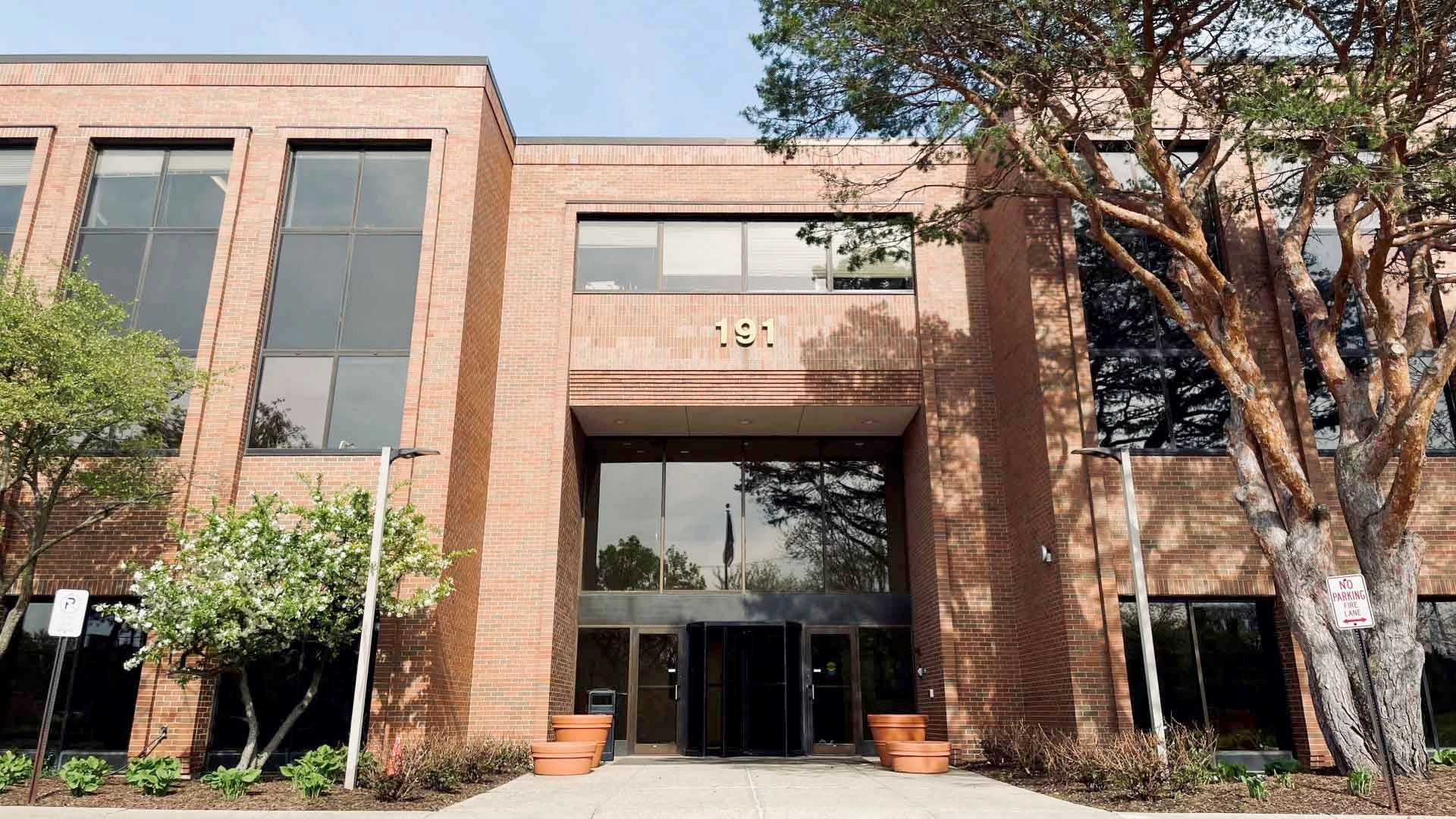
Acupuncture North Clinic is centrally located to serve patients throughout Chicago’s North Shore. Our Northfield office is easily accessible from Northfield, Northbrook, Glenview, Winnetka, Wilmette, Kenilworth, Highland Park, Glencoe, Deerfield, Skokie, Morton Grove, Lincolnshire, Riverwoods, and Niles.
Address
191 Waukegan Rd, Suite 102 Northfield, IL 60093
Getting here
- Just minutes from the I-94 Edens Expressway
- First-floor suite—no stairs or elevator required
- Free parking in front of and behind the building
Frequently Asked Questions About Orthopedic Acupuncture Service in Northbrook
How does orthopedic acupuncture differ from traditional acupuncture treatment?
Traditional acupuncture uses Chinese medicine frameworks to select treatment points based on pattern diagnosis and channel theory. Orthopedic acupuncture uses Western anatomical assessment to identify specific muscles, tendons, and joints causing your symptoms, then targets them directly. Both approaches are effective. Dr. Su often combines them, using orthopedic techniques for local structural problems while incorporating traditional approaches for comprehensive care.
Are orthopedic acupuncture and dry needling essentially the same treatment?
Dry needling, typically performed by physical therapists, targets myofascial trigger points to release muscle tension. Orthopedic acupuncture encompasses trigger point treatment but goes further, incorporating motor point needling, periosteal stimulation, and other techniques within a more comprehensive assessment framework. Acupuncturists like Dr. Su also complete significantly more training hours in needling techniques.
What does orthopedic acupuncture actually feel like during a session?
You may feel a brief pinch with needle insertion, followed by sensations that indicate the needle is affecting the target tissue. When treating trigger points, you might feel a brief muscle twitch as the point releases. Motor point needling produces a similar twitch response. These sensations, while sometimes surprising, indicate effective treatment and are typically not painful. Once needles are in place, most Northbrook patients find the experience comfortable and relaxing.
How fast do Northbrook patients typically respond to orthopedic acupuncture?
For acute conditions, significant improvement often occurs within 2-4 sessions. Chronic problems typically require more treatment, with progress building over 6-12 sessions. Dr. Su will give you realistic expectations based on your specific condition.
Can orthopedic acupuncture help me recover from a sports injury faster?
Absolutely. Orthopedic acupuncture excels for sports injuries because it targets the exact tissues involved — strained muscles, inflamed tendons, irritated ligaments. Treatment reduces inflammation, accelerates tissue healing, releases compensatory tension, and addresses the biomechanical imbalances that contributed to the injury. Many Northbrook athletes return to activity faster than expected healing timelines.
Should I choose orthopedic acupuncture instead of physical therapy for my condition?
Physical therapy and orthopedic acupuncture complement each other well. PT focuses on exercises and manual therapy to restore function, while orthopedic acupuncture releases muscular restrictions and reduces pain that might otherwise limit PT progress. Many patients benefit from both approaches simultaneously. Dr. Su is happy to coordinate with your physical therapist for comprehensive care.
Schedule Your Orthopedic Acupuncture Appointment in Northfield
If musculoskeletal pain is limiting your life, orthopedic acupuncture offers a targeted, effective treatment approach. Dr. Kuan Su combines precise anatomical assessment with proven acupuncture techniques to identify and treat the specific structures causing your symptoms.
Your first step is a comprehensive evaluation where Dr. Su will assess your condition, identify contributing factors, and explain how orthopedic acupuncture can help. There’s no obligation, just a thorough assessment and honest answers about your treatment options.
Call (847) 868-0408 to schedule your consultation, or book online today.
Blogs
Wellness Insights and Updates
Discover All Blogs



Have questions or are you ready to start your wellness journey? Fill out our form, and our friendly team will respond within 1 business day to assist you.
Looking for Assistance?
Visit Us in Northfield
Conveniently located in Suite 102 with first-floor access and private treatment rooms. We're easy to reach from anywhere in the Northern Chicagoland area.