

Visit our location
Condition we treat
Sciatica Treatment in Northfield
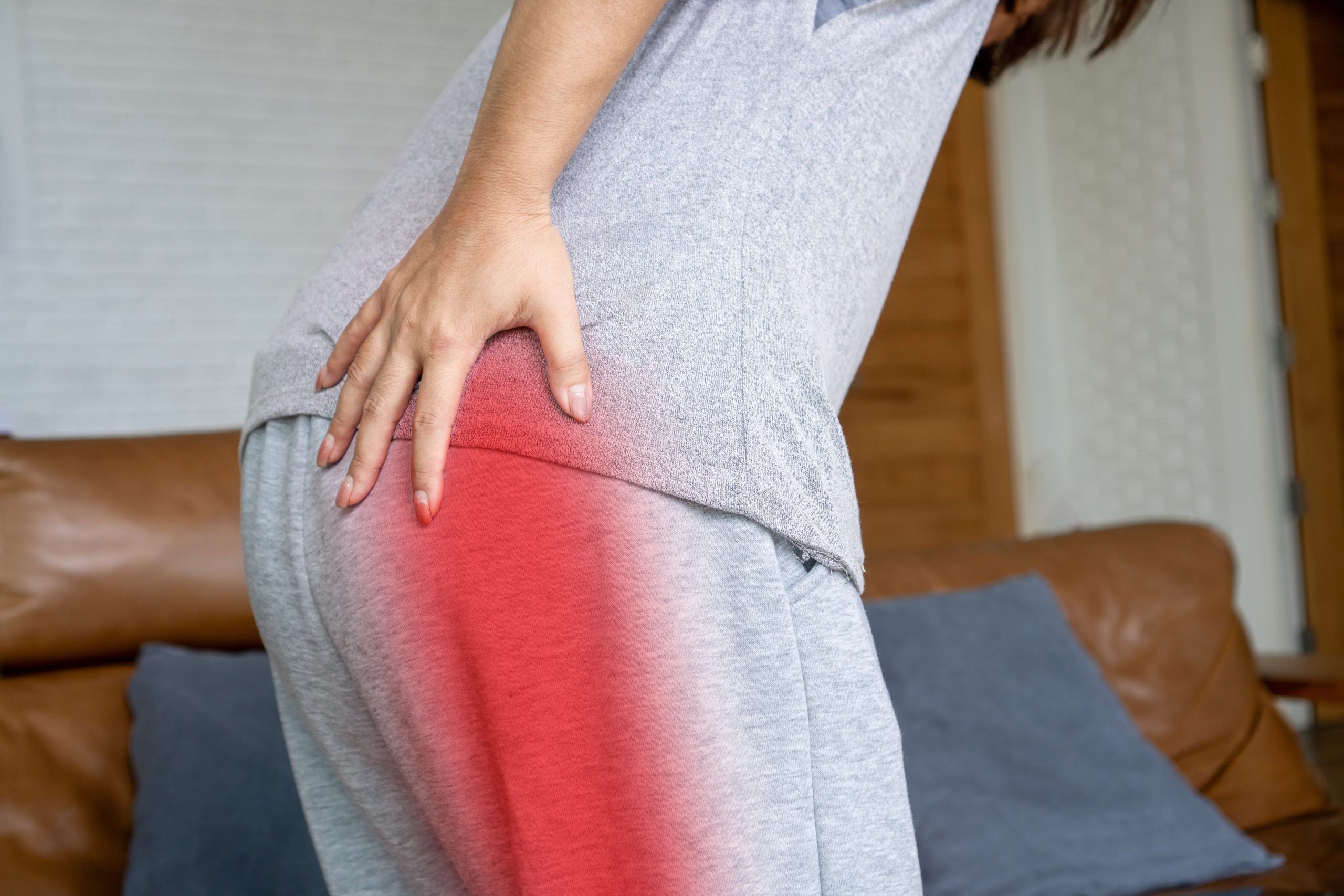
The pain starts in your lower back or buttock, then shoots down your leg like an electric shock. Sitting becomes torture. Standing brings no relief. Walking feels like a gamble. Sciatica has a way of dominating your attention, turning every movement into a negotiation with pain that radiates from your spine to your foot.
At Acupuncture North Clinic in Northfield, Dr. Kuan Su provides effective treatment for sciatica using acupuncture and complementary therapies. With over 12 years of clinical experience, Dr. Su has helped many patients find relief from sciatic nerve pain when other treatments haven’t provided adequate results. Whether your sciatica is recent or has persisted for months, treatment can reduce pain and help you return to normal activities.
Ready to address your sciatica? Call (847) 868-0408 to schedule your consultation.
Understanding Sciatica
Sciatica refers to pain that radiates along the path of the sciatic nerve, which runs from the lower back through the buttock and down the back of each leg. The sciatic nerve is the longest and thickest nerve in the body, about the diameter of a finger at its largest point. When this nerve becomes compressed or irritated, pain can travel its entire length.
True sciatica isn’t a diagnosis itself but a symptom of an underlying problem affecting the sciatic nerve. The pain typically affects only one side and can range from a mild ache to sharp, burning sensations or excruciating discomfort. Some people describe it as an electric shock shooting down the leg. Coughing, sneezing, or prolonged sitting often worsen symptoms.
The American Academy of Orthopaedic Surgeons notes that sciatica affects up to 40% of people at some point in their lives. It most commonly occurs between ages 30 and 50, often related to age-related changes in the spine combined with physical demands or injuries.
Beyond pain, sciatica can cause numbness, tingling, or weakness in the affected leg. In severe cases, it may affect bladder or bowel function, which requires immediate medical attention. Most sciatica resolves within weeks to months, but some cases become chronic and significantly impact quality of life.
Causes of Sciatica
01. Herniated Disc
The most common cause of sciatica, a herniated or bulging disc occurs when the soft inner material of a spinal disc pushes through the outer layer and presses on nearby nerve roots. Disc herniations in the lower lumbar spine frequently affect the sciatic nerve.
02. Spinal Stenosis
Narrowing of the spinal canal from arthritis or other degenerative changes can compress nerve roots. Lumbar spinal stenosis typically affects older adults and often causes sciatica symptoms that worsen with standing and walking but improve with sitting or bending forward.
03. Piriformis Syndrome
The piriformis muscle in the buttock lies directly over the sciatic nerve. When this muscle becomes tight or spasms, it can compress the nerve, producing sciatica-like symptoms without any spinal involvement. Piriformis syndrome is often overlooked in conventional evaluation.
04. Degenerative Disc Disease
Age-related wear on spinal discs can lead to disc collapse, bone spur formation, and nerve compression. These degenerative changes commonly affect the lumbar spine and can cause chronic or recurring sciatica.
05. Spondylolisthesis
When one vertebra slips forward over another, it can narrow the space where nerve roots exit the spine, causing compression. This condition may result from degenerative changes, stress fractures, or congenital abnormalities.
06. Bone Spurs
Overgrowth of bone on vertebrae, often associated with spinal arthritis, can encroach on nerve pathways and cause sciatica symptoms.
07. Muscle Tension and Trigger Points
Tight muscles in the lower back, buttock, and leg can irritate the sciatic nerve or produce referred pain patterns that mimic sciatica. Addressing muscle tension often provides significant relief even when structural problems exist.
How Acupuncture Treats Sciatica
Acupuncture addresses sciatica through multiple mechanisms that work together to reduce pain and address underlying dysfunction.
01.
Reducing Inflammation
Inflammation around compressed nerve roots contributes significantly to sciatic pain. Acupuncture triggers anti-inflammatory responses, reducing the swelling that puts pressure on nerves. Research demonstrates measurable decreases in inflammatory markers following acupuncture treatment.
02.
Releasing Muscle Tension
Tight muscles often contribute to sciatica, whether as the primary cause (piriformis syndrome) or as a response to underlying problems. Acupuncture excels at releasing muscle tension and deactivating trigger points. The piriformis, gluteal muscles, and paraspinal muscles commonly harbor trigger points that respond well to needling.
03.
Relieving Nerve Compression
By reducing inflammation and releasing surrounding muscle tension, acupuncture can decrease pressure on the sciatic nerve. While it doesn’t change structural problems like disc herniations directly, reducing the inflammatory and muscular components often provides significant symptom relief.
04.
Releasing Natural Pain Relievers
Acupuncture stimulates release of endorphins and other endogenous opioids that provide natural pain relief. Research suggests significantly increased endorphin levels following treatment. This mechanism is particularly valuable for the intense pain sciatica often produces.
05.
Improving Circulation
Adequate blood flow supports nerve health and healing. Acupuncture improves circulation to the lower back and leg, delivering oxygen and nutrients while removing inflammatory substances that contribute to pain.
06.
Modulating Pain Signals
Sciatica involves both peripheral nerve irritation and changes in how the spinal cord and brain process pain signals. Acupuncture affects pain processing at multiple levels, reducing the intensity of pain perception. Neuroimaging studies show measurable changes in brain regions involved in pain processing following acupuncture.
07.
Promoting Nerve Healing
Beyond symptom relief, acupuncture may support actual nerve recovery. Research suggests that acupuncture can promote peripheral nerve regeneration through effects on nerve growth factors and cellular repair mechanisms.
Research on Acupuncture for Sciatica
Clinical evidence supports acupuncture for sciatica treatment.
A systematic review and meta-analysis published in Evidence-Based Complementary and Alternative Medicine found that acupuncture was more effective than conventional Western medicine for sciatica, with significant improvements in pain and function.
Research published in The BMJ examined acupuncture for chronic sciatica from disc herniation and found that electroacupuncture produced significant, sustained improvement in leg pain and disability compared to sham treatment.
A Cochrane review on acupuncture for non-specific low back pain found evidence supporting acupuncture’s effectiveness, with many included studies involving patients with radiating leg pain.
Studies specifically on electroacupuncture for sciatica demonstrate enhanced effectiveness when electrical stimulation is added to needling, particularly for nerve-related symptoms.
The evidence supports acupuncture as an effective treatment for sciatica, with particularly strong results when treatment targets both the spinal problem and affected muscles.
What to Expect During Sciatica Treatment
Sciatica treatment at Acupuncture North Clinic follows a structured approach designed to address your specific condition.
01. Initial Assessment
Your first visit includes comprehensive evaluation of your sciatica. Dr. Su will ask about when symptoms began, what activities worsen or relieve pain, the exact distribution of your symptoms, and how sciatica affects your daily life. He’ll assess your movement, posture, and perform tests that help identify the underlying cause.
Understanding whether your sciatica stems from a disc problem, piriformis syndrome, spinal stenosis, or other causes guides treatment strategy. Different underlying problems benefit from different approaches. Dr. Su also screens for red flags that might indicate serious conditions requiring immediate medical attention.
If you haven’t had imaging studies and your symptoms suggest you might benefit from them, Dr. Su may recommend evaluation by your physician.
02. Treatment Sessions
Acupuncture for sciatica involves points along the affected nerve pathway, in the lower back, buttock, and leg, plus points that address underlying patterns and pain processing. Treatment typically includes release of piriformis and gluteal trigger points that commonly contribute to symptoms.
Sessions last approximately 45-60 minutes. You’ll be positioned comfortably, typically lying face-down or on your side to access the affected areas. Many patients notice immediate reduction in pain intensity following treatment.
Dr. Su often incorporates e-stim therapy for sciatica, as research supports enhanced effectiveness for nerve-related pain. Infrared heat lamp therapy may also be used to warm tight muscles and improve circulation.
03. Treatment Frequency
Treatment frequency depends on symptom severity and duration.
Acute sciatica (recent onset) often responds relatively quickly with treatment 2-3 times in the first week, then tapering as symptoms improve.
Chronic sciatica typically requires a longer course:
- 1-2 sessions per week for 6-8 weeks initially
- Assessment of response and adjustment as needed
- Gradual reduction in frequency as improvement stabilizes
- Maintenance sessions as beneficial
Many patients notice meaningful improvement within the first few weeks. Cases involving significant nerve compression may take longer to respond fully.
04. Self-Care Guidance
Dr. Su may recommend specific stretches, particularly for the piriformis and hip muscles, that support treatment. Guidance on postures and activities to avoid during recovery helps prevent setbacks. What you do between sessions significantly impacts your results.
Complementary Therapies for Sciatica
Depending on your specific condition, Dr. Su may recommend additional treatments.
01.
E-Stim Therapy
adds electrical stimulation to acupuncture needles, significantly enhancing effects on nerve-related pain. Research specifically supports electroacupuncture for sciatica, showing better outcomes than standard acupuncture alone.
02.
Cupping Therapy
releases fascial restrictions and improves circulation in the lower back and gluteal muscles. The decompressive effect can provide significant relief for muscle-related components of sciatica.
03.
Infrared Heat Lamp Therapy
provides deep tissue heating that relaxes tight muscles, reduces inflammation, and improves circulation. The penetrating warmth reaches the deep muscles often involved in sciatica.
04.
Herbology
provides internal medicine that addresses sciatica from the inside. Anti-inflammatory herbal formulas reduce the inflammation around affected nerves while other herbs support nerve health and healing.
05.
TCM Acupuncture
addresses underlying patterns of imbalance that may contribute to your sciatica. Traditional diagnosis often reveals factors that Western evaluation doesn’t typically consider.
Sciatica vs. Other Leg Pain
Not all leg pain is sciatica. Proper diagnosis ensures appropriate treatment.
True sciatica
involves the sciatic nerve and typically produces pain radiating from the lower back or buttock down the back of the thigh, sometimes continuing to the calf or foot. Numbness, tingling, or weakness may accompany pain.
Vascular claudication
from poor circulation causes leg pain with walking that improves with rest. Unlike sciatica, it’s not typically affected by spinal position.
Referred pain
from muscles, joints, or other structures can mimic sciatica but doesn’t follow the sciatic nerve distribution. Trigger points in gluteal muscles often refer pain down the leg in patterns similar to sciatica.
Hip problems
can cause buttock and thigh pain that might be confused with sciatica but usually doesn’t extend below the knee and relates to hip movement rather than spinal position.
Dr. Su’s assessment distinguishes true sciatica from other causes of leg pain, ensuring treatment targets the actual problem.
Why Choose Acupuncture North Clinic for Sciatica Treatment?
Effective for various causes
Whether your sciatica stems from disc herniation, piriformis syndrome, stenosis, or muscle tension, acupuncture can help. Dr. Su tailors treatment to your specific underlying cause.
Comprehensive assessment
Treatment addresses not just symptoms but the factors causing nerve irritation, including muscle tension, inflammation, and postural issues.
Multiple treatment options
Combining acupuncture with e-stim, cupping, infrared therapy, and other techniques allows customized treatment for your specific situation.
Non-surgical approach
Many sciatica cases improve significantly with conservative treatment, potentially avoiding surgery. Even when structural problems exist, reducing inflammation and muscle tension often provides substantial relief.
12+ years of clinical experience
Dr. Su’s extensive practice includes treating many patients with sciatica, providing practical knowledge of what works for different presentations.
Integration with medical care
Acupuncture works alongside other treatments you may be receiving. If your condition requires medical intervention, Dr. Su can coordinate with your healthcare team.
Convenient Northfield location
Our first-floor suite at 191 Waukegan Rd offers easy access with free parking, important when sciatica makes mobility difficult.
Frequently Asked Questions About Sciatica Treatment
How effective is acupuncture for sciatica?
Research supports acupuncture as an effective treatment for sciatica, with studies showing significant improvements in pain and function compared to conventional treatment and sham acupuncture. Many patients experience meaningful relief within several weeks of treatment. Effectiveness depends partly on the underlying cause, with piriformis syndrome and muscle-related sciatica often responding particularly well.
Can acupuncture help sciatica from a herniated disc?
Yes. While acupuncture doesn’t change the disc herniation itself, it reduces the inflammation around the affected nerve root and releases muscle tension that contributes to symptoms. Many patients with disc-related sciatica experience significant pain reduction with acupuncture. Research specifically on acupuncture for sciatica from disc herniation shows positive results.
How long does sciatica treatment take?
This varies based on severity and underlying cause. Acute sciatica often improves noticeably within 2-4 weeks of treatment. Chronic sciatica or cases involving significant nerve compression may require 6-12 weeks for substantial improvement. Some patients experience dramatic relief quickly while others improve more gradually. Dr. Su will provide realistic expectations based on your specific situation.
Should I try acupuncture before considering surgery for sciatica?
For most sciatica cases, trying conservative treatments like acupuncture before considering surgery is reasonable. Many patients find adequate relief without surgery. However, certain situations warrant prompt surgical evaluation, including progressive weakness, loss of bladder or bowel control, or severe symptoms that don’t respond to any treatment. Dr. Su can help you determine whether conservative treatment is appropriate for your situation.
Is it normal for sciatica symptoms to change during treatment?
Yes. As treatment progresses, you may notice changes in pain location, intensity, or character. Pain often centralizes (moves closer to the spine) before resolving, which is generally a positive sign. Leg symptoms may improve before back symptoms, or vice versa. Dr. Su monitors these changes and adjusts treatment accordingly.
Related Conditions
Sciatica patients often experience related conditions that Dr. Su also treats:
Schedule Your Sciatica Consultation in Northfield
Sciatica doesn’t have to control your life. Effective treatment exists, and acupuncture offers an approach that addresses underlying causes rather than just masking symptoms.
Dr. Kuan Su has helped many patients find relief from sciatic nerve pain and return to comfortable movement. Your consultation includes thorough assessment, honest evaluation of how treatment might help, and a clear explanation of what to expect.
Call (847) 868-0408 to schedule your consultation, or book online today.
Blogs
Wellness Insights and Updates
Discover All Blogs



Have questions or are you ready to start your wellness journey? Fill out our form, and our friendly team will respond within 1 business day to assist you.
Looking for Assistance?
Visit Us in Northfield
Conveniently located in Suite 102 with first-floor access and private treatment rooms. We're easy to reach from anywhere in the Northern Chicagoland area.