

Visit our location
Service
Orthopedic Acupuncture in Northfield, IL

When you’re dealing with joint pain, muscle injuries, or movement restrictions, you need a treatment approach that understands exactly what’s happening in your body. Orthopedic acupuncture combines the therapeutic power of acupuncture with Western anatomical precision, targeting the specific muscles, tendons, ligaments, and joints involved in your pain or dysfunction.
At Acupuncture North Clinic in Northfield, Dr. Kuan Su uses orthopedic acupuncture techniques to treat musculoskeletal conditions with accuracy and effectiveness. Whether you’re recovering from a sports injury, managing chronic joint pain, or dealing with movement limitations that affect your daily life, this specialized approach delivers results by addressing the structural source of your problem.
Ready to move without pain? Call (847) 868-0408 to schedule your orthopedic acupuncture consultation.
What Is Orthopedic Acupuncture?
Orthopedic acupuncture is a specialized form of acupuncture that integrates traditional needle techniques with modern understanding of anatomy, biomechanics, and sports medicine. While traditional acupuncture works within classical Chinese medicine frameworks, orthopedic acupuncture applies Western medical assessment to identify exactly which structures are causing your symptoms, then uses precise needling to treat them.
This approach emerged from the recognition that musculoskeletal problems often have identifiable structural causes. A painful shoulder might involve a specific rotator cuff muscle. Knee pain could stem from tight quadriceps creating abnormal patellar tracking. Low back pain frequently traces to particular muscles in spasm or joints under stress. Orthopedic acupuncture identifies these specific culprits and targets them directly.
The American Academy of Orthopaedic Surgeons recognizes acupuncture as a treatment option for various musculoskeletal conditions, and research published in journals like the Journal of Orthopaedic & Sports Physical Therapy has documented its effectiveness for conditions ranging from low back pain to tennis elbow.
What makes orthopedic acupuncture particularly valuable is its diagnostic precision. Rather than applying a standardized point protocol, Dr. Su evaluates your posture, movement patterns, and specific areas of dysfunction. Treatment then targets exactly what needs to be addressed in your body.
How Orthopedic Acupuncture Works
Orthopedic acupuncture succeeds because it combines acupuncture’s proven therapeutic mechanisms with anatomically precise application. Understanding both elements helps explain why this approach works so well for musculoskeletal conditions.
01.
Anatomical Assessment
Before treatment begins, Dr. Su conducts a thorough orthopedic evaluation. This includes observing your posture and movement patterns, testing range of motion in affected joints, palpating muscles for trigger points and areas of tension, and assessing strength and stability. These assessments identify the specific structures contributing to your symptoms.
For example, shoulder pain might stem from the supraspinatus muscle, the infraspinatus, the subscapularis, or several other structures. Each possibility presents differently on examination. Orthopedic assessment pinpoints which muscles and tissues need treatment, ensuring needles go exactly where they’ll do the most good.
02.
Motor Point Needling
Motor points are locations where nerves enter muscles, making them particularly responsive to stimulation. Needling these points causes the muscle to twitch briefly, then relax more completely than it could on its own. This technique is especially effective for muscles stuck in chronic contraction or spasm.
Research published in the Journal of Bodywork and Movement Therapies demonstrates that motor point acupuncture produces immediate improvements in muscle function and pain reduction. The technique essentially “resets” dysfunctional muscles, restoring normal tone and function.
03.
Trigger Point Release
Trigger points are hyperirritable spots within tight bands of muscle that refer pain to other areas. A trigger point in your upper trapezius might cause headaches. One in your gluteus medius could create pain down your leg that mimics sciatica. These points perpetuate pain cycles and limit function until they’re properly released.
Orthopedic acupuncture directly targets trigger points, causing them to release through a mechanism called the local twitch response. Studies show that this approach effectively reduces pain and restores muscle function, often within a single session for acute trigger points.
04.
Improved Local Circulation
Needle insertion increases blood flow to the targeted area. For injured tissues, this enhanced circulation delivers oxygen and nutrients needed for healing while removing inflammatory waste products. For chronically tight muscles, improved blood flow helps break the metabolic dysfunction that keeps muscles in sustained contraction.
05.
Neurological Effects
Acupuncture influences the nervous system at multiple levels. Locally, it changes how pain signals are generated and transmitted. Spinally, it activates inhibitory pathways that reduce pain perception. Centrally, it triggers endorphin release and modulates brain regions involved in pain processing. These effects are well-documented in neuroimaging studies and help explain acupuncture’s effectiveness for both acute and chronic pain.
What to Expect During Your Orthopedic Acupuncture Visit
Your first orthopedic acupuncture appointment includes a thorough evaluation that goes beyond typical medical assessments.
01. Orthopedic Evaluation
Dr. Su begins with a detailed discussion of your symptoms: where exactly you feel pain, what movements or positions make it worse, how the problem started, and what you’ve already tried. This history provides important clues about which structures are involved.
Next comes a hands-on assessment. Dr. Su will observe your posture and movement patterns, looking for asymmetries or compensations. He’ll test range of motion in affected joints and assess strength in relevant muscles. Palpation identifies areas of muscle tension, trigger points, and tender structures. Specific orthopedic tests may help confirm or rule out particular diagnoses.
This evaluation typically takes 15-20 minutes for new patients but provides essential information for targeted treatment.
02. Your Treatment Session
Based on the evaluation findings, Dr. Su develops a treatment plan targeting the specific structures identified. You’ll be positioned comfortably, and he’ll insert thin, sterile needles at precise anatomical locations.
You may feel a brief pinch with needle insertion, followed by sensations that indicate the needle is affecting the target tissue. When treating trigger points, you might feel a brief muscle twitch as the point releases. Motor point needling produces a similar twitch response. These sensations, while sometimes surprising, indicate effective treatment and are typically not painful.
Needles remain in place for 15-25 minutes. During this time, you rest comfortably while the treatment takes effect. Dr. Su may also incorporate electroacupuncture for enhanced pain relief or other techniques as appropriate.
A complete first visit takes approximately 75-90 minutes. Follow-up visits are typically 45-60 minutes.
03. After Your Session
Many patients notice immediate improvement in pain and movement following orthopedic acupuncture. Muscles that were tight often feel noticeably more relaxed. Movements that were painful may be easier.
Some soreness at treatment sites is normal, similar to what you might feel after deep tissue massage. This typically resolves within 24-48 hours. Drinking water and gentle movement help your body process the treatment.
For acute conditions, significant improvement often occurs within 2-4 sessions. Chronic problems typically require more treatment, with progress building over 6-12 sessions. Dr. Su will give you realistic expectations based on your specific condition.
Conditions We Treat with Orthopedic Acupuncture in Northfield
Orthopedic acupuncture excels for musculoskeletal conditions with identifiable structural components. While Dr. Su’s practice covers four main treatment areas, orthopedic techniques are particularly valuable for pain management and certain neuropathy presentations.
Pain Management
Musculoskeletal pain is orthopedic acupuncture’s primary domain. Whether your pain is acute or chronic, localized or widespread, this approach identifies and treats the specific structures involved.
Low Back Pain frequently involves specific muscles like the quadratus lumborum, psoas, or multifidus, along with facet joint dysfunction and ligament strain. Orthopedic assessment identifies which structures are contributing, and targeted needling addresses them directly. The American College of Physicians recommends acupuncture as a first-line treatment for chronic low back pain.
Neck and Shoulder Pain The neck and shoulder complex contains numerous muscles that can develop dysfunction, from the deep suboccipital muscles that cause headaches to the rotator cuff muscles that enable arm movement. Orthopedic acupuncture identifies which muscles are problematic and treats them with precision.
Sciatica involves nerve root compression, but many patients diagnosed with sciatica actually have piriformis syndrome or other muscular causes of leg pain. Orthopedic evaluation distinguishes between these presentations, and treatment targets the actual source of symptoms.
While acupuncture cannot reverse joint degeneration, orthopedic techniques effectively address the muscle tension, joint stiffness, and inflammation that make arthritis painful. Treatment can significantly improve function and reduce reliance on pain medications.
Migraines and Headaches originate from trigger points and tension in neck and shoulder muscles. Orthopedic acupuncture identifies these muscular contributors and releases them, often dramatically reducing headache frequency and intensity.
Plantar Fasciitis This stubborn condition involves inflammation of the plantar fascia along with dysfunction in calf muscles and intrinsic foot muscles. Orthopedic acupuncture addresses all these components for comprehensive treatment.
Sports Injuries Athletes benefit particularly from orthopedic acupuncture’s precision. Whether you’re dealing with a muscle strain, tendinitis, ligament sprain, or overuse injury, treatment targets the specific tissues involved and accelerates return to activity.
Chronic Pain Long-standing pain often involves multiple structures and compensation patterns that develop over time. Orthopedic assessment maps these interconnections, and treatment systematically addresses each contributing factor.
Neuropathy
While neuropathy is primarily a nerve condition, orthopedic acupuncture techniques can be valuable when nerve symptoms result from muscular compression or entrapment.
Peripheral Neuropathy Orthopedic techniques complement traditional acupuncture for neuropathy by addressing any muscular components contributing to nerve dysfunction. Tight muscles can compress nerves, worsening symptoms that then improve when the muscular tension is released.
Additional Orthopedic Conditions
Beyond the main condition categories, orthopedic acupuncture effectively treats:
- Tennis elbow and golfer’s elbow
- Carpal tunnel syndrome
- IT band syndrome
- Rotator cuff injuries
- Hip bursitis
- Knee pain (runner’s knee, jumper’s knee)
- Ankle sprains and instability
- TMJ dysfunction
- Postural dysfunction
Dealing with a musculoskeletal problem not listed here? Contact our office to discuss whether orthopedic acupuncture might help your specific condition.
Orthopedic Acupuncture vs. Other Approaches
Understanding how orthopedic acupuncture compares to other treatment options can help you determine whether it’s right for your condition.
Orthopedic Acupuncture vs. TCM Acupuncture
TCM acupuncture works within traditional Chinese medicine frameworks, using pattern diagnosis to understand conditions and selecting points based on channel theory. Orthopedic acupuncture uses Western anatomical assessment and targets specific muscles and structures. Both approaches are valid and effective. Dr. Su often combines them, using orthopedic techniques to address local structural problems while incorporating TCM approaches for systemic support.
Orthopedic Acupuncture vs. Cortisone Injections
Cortisone injections reduce inflammation but don’t address underlying muscular dysfunction. They also carry limitations on frequency due to potential tissue damage with repeated use. Orthopedic acupuncture treats root causes rather than just inflammation, can be performed as often as needed, and doesn’t carry the same risks. Many patients find acupuncture more effective for long-term resolution.
Orthopedic Acupuncture vs. Dry Needling
Dry needling, typically performed by physical therapists, targets trigger points to release muscle tension. Orthopedic acupuncture encompasses trigger point treatment but goes further, incorporating motor point needling, periosteal stimulation, and other techniques within a more comprehensive assessment framework. Acupuncturists like Dr. Su also complete significantly more training hours in needling techniques.
Orthopedic Acupuncture vs. Physical Therapy
Physical therapy and orthopedic acupuncture complement each other well. PT focuses on exercises and manual therapy to restore function, while orthopedic acupuncture releases muscular restrictions and reduces pain that might otherwise limit PT progress. Many patients benefit from both approaches simultaneously.
Why Choose Acupuncture North Clinic for Orthopedic Acupuncture in Northfield?
Plenty of practitioners offer acupuncture. Here’s what makes Dr. Su’s practice different.
Precise anatomical knowledge
Dr. Su’s training includes extensive study of musculoskeletal anatomy and orthopedic assessment. This knowledge ensures accurate diagnosis and precisely targeted treatment.
12+ years of clinical experience
Over more than a decade of practice, Dr. Su has treated countless musculoskeletal conditions and refined his orthopedic acupuncture techniques based on what actually produces results.
Comprehensive evaluation
Every patient receives a thorough orthopedic assessment before treatment. This isn’t a one-size-fits-all approach where everyone gets the same points.
Integration of multiple techniques
Dr. Su draws on orthopedic acupuncture, TCM acupuncture, electroacupuncture, and other methods, applying whatever combination best addresses your condition.
Focus on resolution, not just management
The goal is fixing problems, not endless treatment. Many musculoskeletal conditions can be fully resolved with proper care. Dr. Su works toward that outcome.
Private treatment rooms
You’ll receive treatment in your own room, ensuring comfort and the ability to fully relax during your session.
Convenient Northfield location
Our first-floor suite at 191 Waukegan Rd offers easy access with free parking and proximity to the I-94 Edens Expressway.
Complementary Services
Orthopedic acupuncture often works best when combined with other therapies. Based on your condition, Dr. Su may recommend:
01.
Electroacupuncture (E-Stim)
adds gentle electrical stimulation to inserted needles, enhancing pain relief and muscle relaxation. It’s particularly effective for stubborn pain conditions and helps accelerate healing of injured tissues. Research supports electroacupuncture’s effectiveness for musculoskeletal pain.
02.
Cupping Therapy
uses suction to increase blood flow and release fascial restrictions. It complements orthopedic acupuncture by addressing broader areas of muscle tension and promoting circulation to healing tissues.
03.
Infrared Heat Lamp Therapy
provides deep-penetrating warmth that relaxes muscles, reduces inflammation, and enhances blood flow. It’s often used alongside orthopedic acupuncture to prepare tissues for treatment and extend therapeutic benefits.
04.
TCM Acupuncture
addresses systemic factors that may contribute to musculoskeletal problems. Stress, sleep quality, and overall health all affect how your body heals and maintains musculoskeletal function.
Serving Northfield and the Greater North Shore
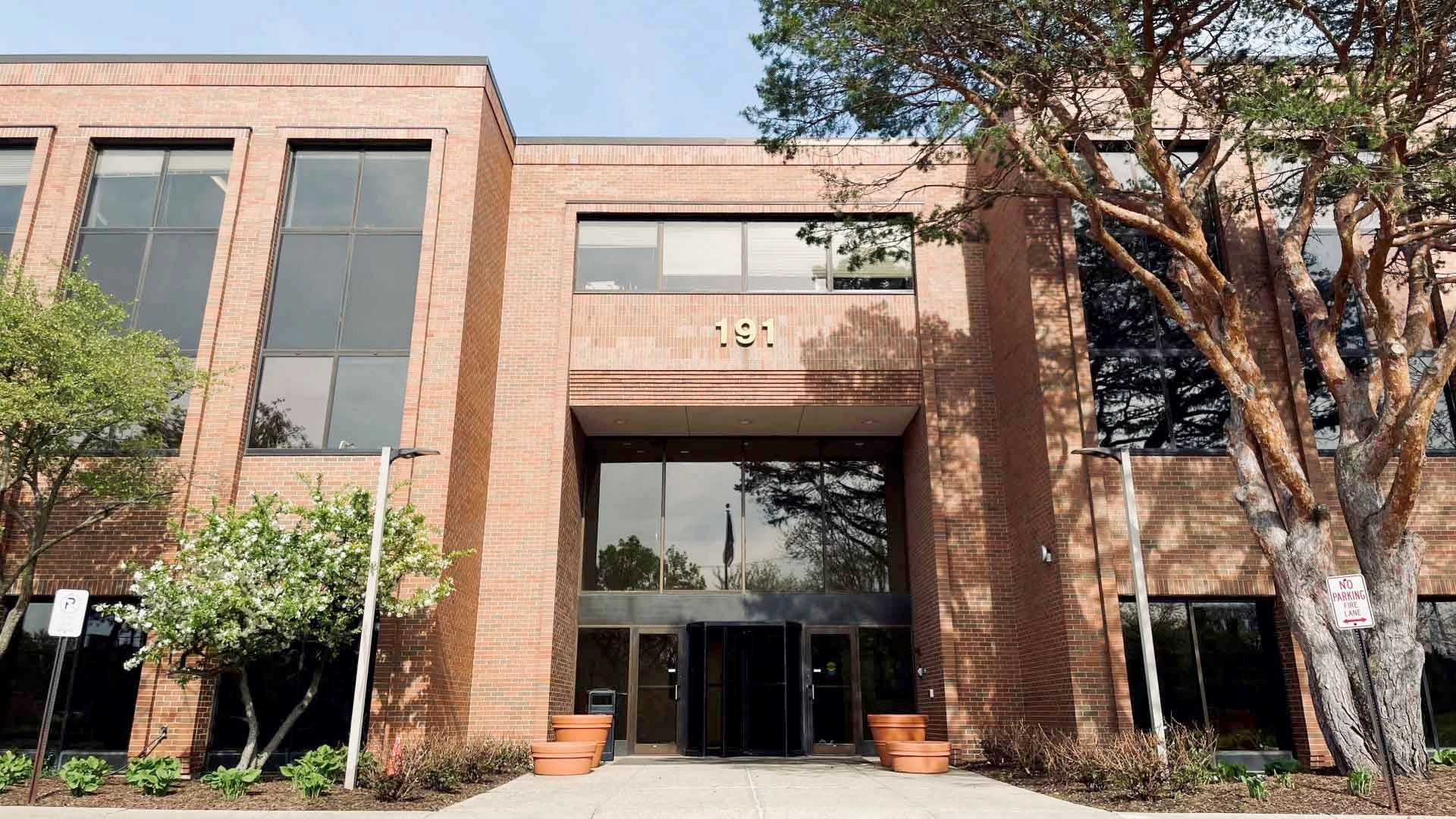
Acupuncture North Clinic is centrally located to serve patients throughout Chicago’s North Shore. Our Northfield office is easily accessible from Northfield, Northbrook, Glenview, Winnetka, Wilmette, Kenilworth, Highland Park, Glencoe, Deerfield, Skokie, Morton Grove, Lincolnshire, Riverwoods, and Niles.
Address
191 Waukegan Rd, Suite 102 Northfield, IL 60093
Getting here
- Just minutes from the I-94 Edens Expressway
- First-floor suite—no stairs or elevator required
- Free parking in front of and behind the building
Frequently Asked Questions About Orthopedic Acupuncture in Northfield
What's the difference between orthopedic acupuncture and regular acupuncture?
Traditional acupuncture uses Chinese medicine frameworks to select treatment points based on pattern diagnosis and channel theory. Orthopedic acupuncture uses Western anatomical assessment to identify specific muscles, tendons, and joints causing your symptoms, then targets them directly. Both approaches are effective. Dr. Su often combines them, using orthopedic techniques for local structural problems while incorporating traditional approaches for comprehensive care.
Is orthopedic acupuncture the same as dry needling?
There’s overlap, but orthopedic acupuncture is more comprehensive. Dry needling typically focuses on trigger point release. Orthopedic acupuncture includes trigger point treatment but also incorporates motor point needling, periosteal techniques, and other methods within a more thorough assessment framework. Additionally, licensed acupuncturists complete significantly more training hours in needling techniques than practitioners who offer dry needling as an adjunct service.
Does orthopedic acupuncture hurt?
You’ll feel brief sensations during treatment, but most patients don’t find it painful. Needle insertion may cause a slight pinch. When treating trigger points or motor points, you may feel a quick muscle twitch as the point releases. This can be surprising but typically isn’t painful and indicates effective treatment. Most patients find the overall experience much more comfortable than they expected.
How quickly will I see results?
Many patients notice immediate improvement in pain and movement after orthopedic acupuncture. For acute conditions like recent muscle strains, significant resolution often occurs within 2-4 sessions. Chronic conditions that have persisted for months or years typically require 6-12 sessions for substantial improvement. Dr. Su will give you realistic expectations during your initial evaluation.
Can orthopedic acupuncture help my sports injury?
Yes. Athletes benefit particularly from orthopedic acupuncture’s precision. The approach effectively treats muscle strains, tendinitis, ligament sprains, overuse injuries, and post-surgical recovery. Treatment accelerates healing and helps you return to activity faster and more safely. Many competitive athletes incorporate regular orthopedic acupuncture into their training and recovery routines.
Should I do orthopedic acupuncture or physical therapy?
Often, both. Physical therapy focuses on exercises and manual therapy to restore function and prevent future injury. Orthopedic acupuncture releases muscular restrictions and reduces pain that might otherwise limit your PT progress. The two approaches complement each other well. Dr. Su is happy to coordinate with your physical therapist for integrated care.
Schedule Your Orthopedic Acupuncture Appointment in Northfield
If musculoskeletal pain is limiting your life, orthopedic acupuncture offers a targeted, effective treatment approach. Dr. Kuan Su combines precise anatomical assessment with proven acupuncture techniques to identify and treat the specific structures causing your symptoms.
Your first step is a comprehensive evaluation where Dr. Su will assess your condition, identify contributing factors, and explain how orthopedic acupuncture can help. There’s no obligation, just a thorough assessment and honest answers about your treatment options.
Call (847) 868-0408 to schedule your consultation, or book online today.
Blogs
Wellness Insights and Updates
Discover All Blogs



Have questions or are you ready to start your wellness journey? Fill out our form, and our friendly team will respond within 1 business day to assist you.
Looking for Assistance?
Visit Us in Northfield
Conveniently located in Suite 102 with first-floor access and private treatment rooms. We're easy to reach from anywhere in the Northern Chicagoland area.