

Visit our location
Service
TCM Acupuncture in Northfield, IL

Traditional Chinese Medicine acupuncture represents thousands of years of clinical refinement. It’s a complete medical system that views your body as an interconnected whole rather than a collection of separate parts. If you’ve tried treatments that addressed your symptoms in isolation without lasting results, TCM acupuncture in Northfield offers a fundamentally different approach.
At Acupuncture North Clinic, Dr. Kuan Su applies classical TCM principles to treat complex, chronic conditions that haven’t responded to conventional care. With over 12 years of experience and advanced training in traditional Chinese medicine, Dr. Su develops treatment strategies that address root causes, not just the symptoms that brought you through the door.
Discover what TCM acupuncture can do for you. Call (847) 868-0408 to schedule your consultation.
What Is TCM Acupuncture?
TCM acupuncture is acupuncture practiced within the framework of Traditional Chinese Medicine, a comprehensive medical system that originated in China over 2,500 years ago and continues to evolve through modern research and clinical practice. While all acupuncture involves inserting thin needles at specific points, TCM acupuncture is distinguished by its diagnostic approach and treatment philosophy.
In TCM, your symptoms are understood as expressions of underlying patterns of imbalance. A headache isn’t just a headache. It might stem from tension rising upward, from deficiency that fails to nourish the head, or from obstruction blocking normal circulation. Two patients with identical Western diagnoses might receive completely different TCM treatments because their underlying patterns differ.
This framework explains why TCM acupuncture often helps patients whose conditions have puzzled conventional practitioners. When your labs look normal but you still feel terrible, when symptoms span multiple body systems without an obvious connection, or when treatments targeting isolated symptoms keep falling short, these are exactly the situations where TCM’s pattern-based approach provides clarity and direction.
The National Center for Complementary and Integrative Health (NCCIH) recognizes acupuncture as a legitimate treatment option with a growing evidence base. The World Health Organization has published extensive documentation on acupuncture’s therapeutic applications across dozens of conditions.
How TCM Acupuncture Works
TCM acupuncture operates on principles that differ from Western medicine, yet it produces measurable, reproducible clinical results that modern research increasingly validates.
01.
Pattern Diagnosis
Before any needles are inserted, Dr. Su conducts a thorough TCM assessment. This includes detailed questioning about your symptoms, observation of your complexion and body language, and palpation of your pulse at both wrists. In TCM, the pulse reveals far more than heart rate. Its quality, depth, and character at different positions provide information about the state of your internal organ systems.
This diagnostic process identifies your underlying pattern of imbalance. Are you dealing with excess or deficiency? Heat or cold? Stagnation or hyperactivity? The answers determine which acupuncture points will restore balance for your specific situation, not a generic protocol applied to everyone with your Western diagnosis.
02.
Channel Theory
TCM maps the body through a network of channels (sometimes called meridians) that connect the surface of your body to internal organs and tissues. Acupuncture points along these channels serve as access points for influencing deeper physiological processes.
Modern research has begun validating these classical observations. Studies using functional MRI imaging demonstrate that stimulating specific acupuncture points activates corresponding brain regions. Researchers found visual cortex activation from points traditionally used for eye conditions, for instance. The channel system reflects real neurological and connective tissue relationships that ancient practitioners mapped through careful clinical observation.
03.
Restoring Balance
The goal of TCM acupuncture isn’t to override your body’s functions. It’s to restore your system’s natural self-regulating capacity. When circulation flows freely, when organ systems communicate properly, when excess is drained and deficiency is nourished, symptoms often resolve because the underlying imbalance has been corrected.
This explains why TCM acupuncture frequently produces benefits beyond the primary complaint. Patients seeking treatment for back pain notice their sleep improves. Those addressing digestive issues find their anxiety decreasing. These “side benefits” aren’t coincidental. They reflect the systemic rebalancing that TCM treatment produces.
04.
Modern Validation
While TCM uses traditional language to describe its effects, modern research has identified concrete mechanisms underlying acupuncture’s benefits:
- Neurotransmitter regulation: Acupuncture influences serotonin, dopamine, norepinephrine, and endorphin levels (Journal of Alternative and Complementary Medicine)
- Anti-inflammatory effects: Treatment reduces inflammatory cytokines systemically
- Autonomic nervous system modulation: Acupuncture shifts the balance from sympathetic (stress) to parasympathetic (rest/repair) dominance
- Improved circulation: Local and systemic blood flow increases following treatment
These mechanisms help explain TCM acupuncture’s effectiveness across such a wide range of conditions. The treatment influences fundamental physiological processes that affect virtually every body system.
Conditions We Treat with TCM Acupuncture in Northfield
TCM acupuncture’s whole-body approach makes it applicable to an exceptionally broad range of health conditions. Dr. Su’s practice focuses on four areas where this approach delivers particularly strong results.
Neuropathy
Nerve damage presents a significant challenge for conventional medicine, which often has little to offer beyond symptom-masking medications. TCM views neuropathy through a different lens: as a problem of circulation, nourishment, and channel obstruction that can be addressed through proper treatment.
TCM acupuncture for neuropathy aims to improve blood flow to damaged nerves, reduce inflammation impeding healing, and restore proper nerve signal transmission. Many patients experience meaningful improvement in numbness, tingling, burning sensations, and pain, even when told their condition was untreatable.
Neuropathy conditions Dr. Su treats include:
- Peripheral neuropathy (diabetic, chemotherapy-induced, idiopathic)
- Numbness and tingling in extremities
- Burning or shooting nerve pain
- Loss of sensation and coordination
Research published in the Journal of Acupuncture and Meridian Studies demonstrates acupuncture’s effectiveness for diabetic peripheral neuropathy, with improvements in both symptoms and nerve conduction measurements.
Pain Management
Pain is one of acupuncture’s most thoroughly researched applications. A landmark meta-analysis published in JAMA Internal Medicine analyzed data from nearly 18,000 patients and concluded that acupuncture is effective for chronic pain. The benefits persist over time rather than fading after treatment ends.
TCM acupuncture approaches pain by identifying and treating its root cause within the traditional framework. Is pain caused by stagnation that needs to be moved? Cold that needs to be warmed? Deficiency that needs to be nourished? The answers guide point selection for your specific pain pattern.
Pain conditions Dr. Su regularly treats:
- Chronic pain
- Low back pain
- Neck and shoulder pain
- Sciatica
- Arthritis
- Migraines and headaches
- Plantar fasciitis
- Sports injuries
Whether your pain is acute or has persisted for years, TCM acupuncture offers a treatment approach that addresses underlying causes rather than simply blocking pain signals.
Stress Management
Modern life creates chronic stress that disrupts virtually every body system. Sleep suffers. Digestion falters. Immunity weakens. Mood destabilizes. Conventional medicine often addresses these as separate problems requiring separate medications, an approach that frequently creates as many issues as it solves.
TCM recognizes these symptoms as interconnected expressions of the same underlying imbalance. Treatment aims to calm an overactive stress response, restore proper sleep-wake cycles, support digestive function, and rebuild depleted reserves. Because the approach is systemic, patients often see improvement across multiple symptoms simultaneously.
Stress-related conditions Dr. Su treats:
- Stress and anxiety
- Insomnia and sleep disorders
- Chronic fatigue
- Cancer support
Men's Health
TCM has addressed male reproductive and urological health for centuries, long before these topics became uncomfortable to discuss openly. Classical texts contain detailed treatment protocols for conditions that many men today suffer with silently, assuming nothing can be done.
At Acupuncture North Clinic, Dr. Su provides confidential, professional care for men’s health concerns in a private treatment environment. TCM acupuncture addresses these conditions by improving pelvic circulation, reducing inflammation, regulating hormonal function, and calming the performance anxiety that often compounds physical issues.
Men’s health conditions Dr. Su treats:
- Erectile dysfunction
- Enlarged prostate (BPH)
- Post urinary dribbling
- Strangury (painful urination)
- Testicular pain
- Male infertility
Don’t see your condition listed? TCM acupuncture treats a remarkably wide range of health issues. Contact our office to discuss whether treatment might help your specific situation.
What to Expect During Your First TCM Acupuncture Visit
Your first appointment at Acupuncture North Clinic is more comprehensive than a typical medical visit. TCM diagnosis requires gathering information that conventional medicine often overlooks.
01. The TCM Consultation
Dr. Su will begin with detailed questions about your primary complaint: when it started, what makes it better or worse, and how it affects your daily life. But the questioning doesn’t stop there. He’ll also ask about your sleep patterns, digestive function, temperature preferences, emotional state, and other aspects of your health that might seem unrelated.
These questions aren’t random. In TCM, symptoms that appear unconnected often share a common root. Understanding your complete picture allows Dr. Su to identify the underlying pattern driving your symptoms.
Next comes pulse diagnosis. Dr. Su will palpate your pulse at both wrists, feeling for qualities that reveal information about your internal organ systems. He may also observe your tongue, whose color, coating, and shape provide additional diagnostic data.
This thorough assessment typically takes 20-30 minutes for new patients.
02. Your Treatment Session
After the consultation, you’ll move to a private treatment room. Based on your TCM diagnosis, Dr. Su will select acupuncture points tailored to your specific pattern. You may lie face up, face down, or on your side depending on the points needed.
The needles used are extremely thin, much finer than those used for injections. Most patients feel only a slight sensation upon insertion: a brief pinch, mild pressure, or gentle tingling. Once the needles are in place, most people find the experience deeply relaxing. It’s common for patients to doze off during treatment.
Needles typically remain in place for 20-30 minutes while you rest comfortably. Dr. Su may also incorporate additional techniques such as cupping, infrared heat therapy, or electroacupuncture based on your condition.
A complete first visit, including consultation and treatment, takes approximately 75-90 minutes. Follow-up visits are typically 45-60 minutes.
03. After Your Session
Most patients feel relaxed and calm after TCM acupuncture. Some experience immediate symptom improvement, while others notice changes developing over the following days. For chronic conditions, meaningful improvement typically builds over a series of sessions.
Dr. Su may also provide lifestyle recommendations based on TCM principles. These might include dietary suggestions, stress management techniques, or simple practices that support your treatment between sessions.
TCM Acupuncture vs. Other Acupuncture Styles
Not all acupuncture is practiced the same way. Understanding what distinguishes TCM acupuncture can help you determine whether it’s the right approach for your condition.
TCM Acupuncture
TCM acupuncture uses pattern diagnosis to understand your condition within a comprehensive traditional framework. Treatment addresses the whole person and the root cause of symptoms, not just the symptoms themselves. Point selection is individualized based on your specific pattern of imbalance. This approach excels for complex conditions, chronic illness, and cases involving multiple body systems.
Auricular Acupuncture
Auricular acupuncture uses points on the ear to influence conditions throughout the body. The ear contains a microsystem that reflects your entire physiology. This technique is especially useful for addiction support, anxiety, and as a complement to body acupuncture. It can be incorporated into TCM treatment or used as a standalone approach.
Orthopedic Acupuncture
Orthopedic acupuncture integrates Western anatomical knowledge with acupuncture techniques, focusing specifically on musculoskeletal conditions. It’s particularly effective for acute injuries, joint problems, and pain with clear structural causes. Dr. Su often combines orthopedic techniques with TCM approaches for comprehensive pain treatment.
Electroacupuncture
Electroacupuncture (E-Stim) adds gentle electrical stimulation to inserted needles, enhancing acupuncture’s effects for certain conditions. The mild current increases endorphin release and more strongly activates nerve pathways. Dr. Su frequently combines electroacupuncture with TCM treatment for stubborn pain and neuropathy cases.
Dr. Su is trained in multiple acupuncture styles and selects the approach (or combination of approaches) best suited to your specific condition.
Why Choose Acupuncture North Clinic for TCM Acupuncture in Northfield?
Advanced TCM training
Dr. Su holds both a Master of Science in Traditional Chinese Medicine and a Doctorate of Acupuncture & Chinese Medicine from Pacific College of Health & Science. This extensive education provides deep grounding in classical TCM theory and its modern applications.
Specialization in complex cases
Dr. Su focuses on patients dealing with chronic and difficult conditions: neuropathy, persistent pain, men’s health issues, and cases where conventional treatment hasn’t provided adequate relief. TCM’s pattern-based approach is particularly valuable for these challenging situations.
12+ years of clinical experience
Over more than a decade of full-time practice, Dr. Su has treated thousands of patients using TCM acupuncture. This depth of experience means he’s likely seen patterns similar to yours and knows which approaches work best.
Personalized treatment plans
TCM acupuncture is inherently individualized. Your treatment reflects your unique pattern of imbalance, not a standardized protocol applied to everyone with your diagnosis.
Private treatment rooms
Every patient receives treatment in their own room, ensuring comfort, relaxation, and confidentiality.
Convenient Northfield location
Our first-floor suite at 191 Waukegan Rd offers easy access with no stairs or elevator required. Free parking is available, and we’re just minutes from the I-94 Edens Expressway.
Complementary Services
TCM acupuncture often delivers the best results when combined with other traditional therapies. Based on your condition and treatment response, Dr. Su may recommend:
01.
Cupping Therapy
uses suction cups to increase blood flow, release muscle tension, and clear stagnation. In TCM, cupping is particularly effective for pain conditions, respiratory issues, and detoxification.
02.
Infrared Heat Lamp Therapy
provides deep-penetrating warmth that reduces inflammation and eases stiffness. TCM recognizes heat therapy as essential for conditions involving cold or deficiency patterns.
03.
Chinese Herbal Medicine
offers internal support that complements external acupuncture treatment. Custom herbal formulas address your TCM pattern from the inside, often accelerating improvement. Herbal medicine has been used alongside acupuncture for thousands of years.
04.
Activities of Daily Living Support
provides guidance on lifestyle modifications that support your treatment. TCM has always emphasized the role of diet, sleep, exercise, and emotional health in recovery and maintenance.
Serving Northfield and the Greater North Shore
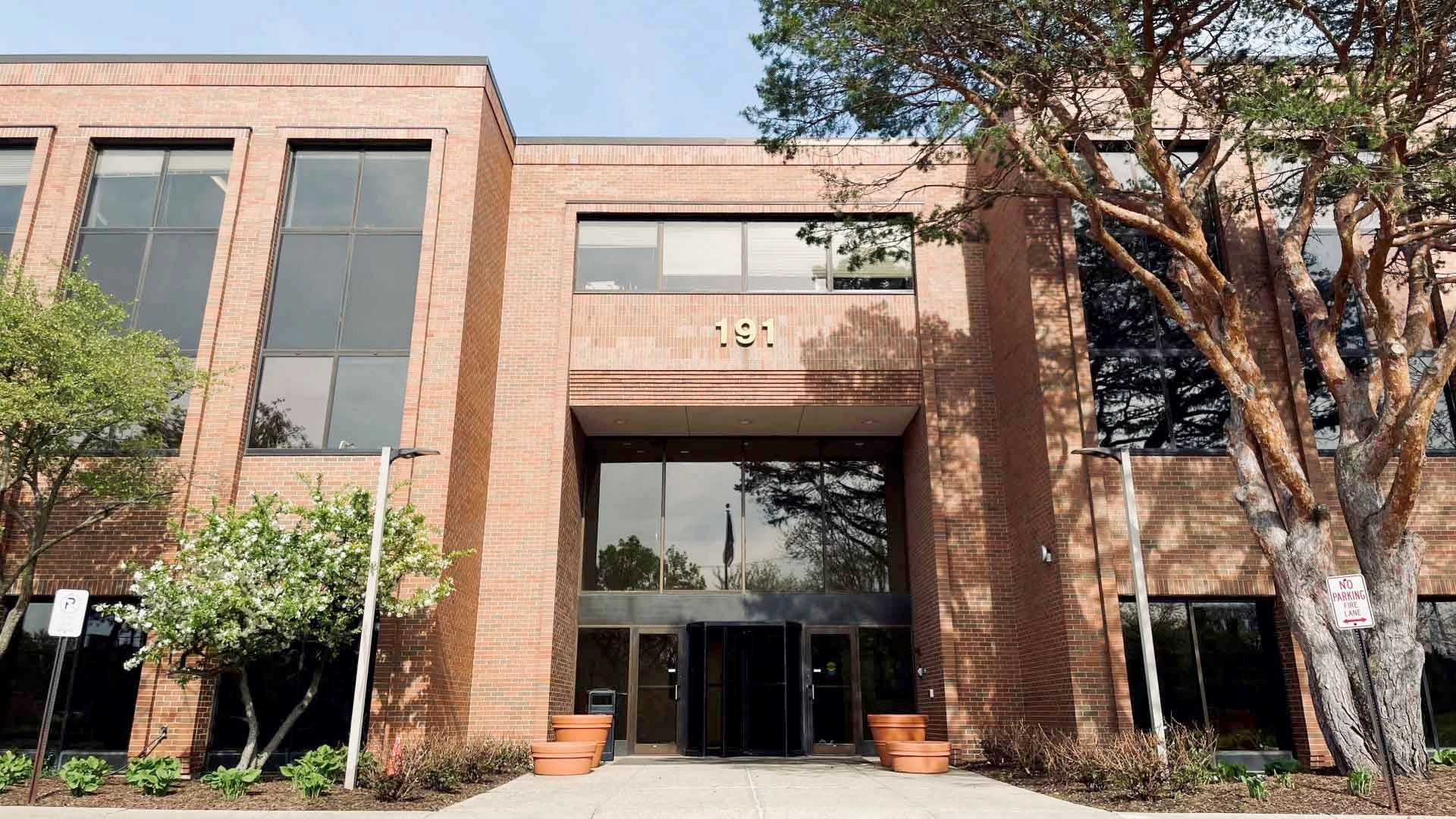
Acupuncture North Clinic is centrally located to serve patients throughout Chicago’s North Shore. Our Northfield office is easily accessible from Northfield, Northbrook, Glenview, Winnetka, Wilmette, Kenilworth, Highland Park, Glencoe, Deerfield, Skokie, Morton Grove, Lincolnshire, Riverwoods, and Niles.
Address
191 Waukegan Rd, Suite 102 Northfield, IL 60093
Getting here
- Just minutes from the I-94 Edens Expressway
- First-floor suite—no stairs or elevator required
- Free parking in front of and behind the building
Frequently Asked Questions About TCM Acupuncture in Northfield
What's the difference between TCM acupuncture and regular acupuncture?
All acupuncture involves inserting thin needles at specific points, but TCM acupuncture is distinguished by its diagnostic framework. Rather than treating symptoms in isolation, TCM identifies your underlying pattern of imbalance and selects points accordingly. Two patients with the same Western diagnosis might receive different TCM treatments because their patterns differ. This individualized approach often succeeds where standardized protocols fall short.
How is TCM diagnosis different from Western diagnosis?
Western medicine diagnoses conditions based on lab values, imaging, and symptom clusters. TCM diagnosis identifies patterns of imbalance using pulse assessment, tongue observation, and detailed questioning about symptoms conventional medicine often ignores. The two systems can work together: your Western diagnosis tells us what condition you have, while TCM diagnosis reveals how that condition manifests in your unique body and what treatment approach will work best.
How many TCM acupuncture sessions will I need?
This depends on your condition’s nature and duration. Acute problems often respond within 4-6 sessions. Chronic conditions that have persisted for months or years typically require 8-12 sessions before significant improvement, followed by maintenance visits. Dr. Su will give you a realistic treatment estimate during your initial consultation based on your specific pattern and condition.
Is TCM acupuncture safe?
Yes. When performed by a licensed, trained practitioner like Dr. Su, acupuncture is extremely safe. The needles used are sterile, single-use, and much thinner than hypodermic needles. Serious adverse events are exceptionally rare. The most common side effects are minor bruising at needle sites and temporary fatigue after treatment.
Can TCM acupuncture help conditions Western medicine can't diagnose?
Often, yes. TCM excels with conditions that don’t fit neatly into Western diagnostic categories. When your symptoms are real but your tests come back normal, or when issues span multiple body systems without an obvious connection, TCM’s pattern-based approach frequently provides clarity and effective treatment direction. Dr. Su specializes in these complex cases.
Will I need to take Chinese herbs along with acupuncture?
Not necessarily. While acupuncture and herbal medicine work synergistically in TCM, many patients achieve excellent results with acupuncture alone. Dr. Su will recommend herbs only if he believes they would significantly benefit your treatment. The choice is always yours.
Schedule Your TCM Acupuncture Appointment in Northfield
Whether you’re dealing with chronic pain, neuropathy, stress-related health issues, or a condition that hasn’t responded to other treatments, TCM acupuncture offers a comprehensive approach that addresses root causes rather than just symptoms.
Dr. Kuan Su has spent over 12 years applying traditional Chinese medicine principles to help North Shore patients find relief from complex and chronic conditions. Your first step is a consultation where Dr. Su will learn about your condition, perform a TCM assessment, and explain how this approach might help.
Call (847) 868-0408 to schedule your consultation, or book online today.
Blogs
Wellness Insights and Updates
Discover All Blogs



Have questions or are you ready to start your wellness journey? Fill out our form, and our friendly team will respond within 1 business day to assist you.
Looking for Assistance?
Visit Us in Northfield
Conveniently located in Suite 102 with first-floor access and private treatment rooms. We're easy to reach from anywhere in the Northern Chicagoland area.