

Visit our location
Service
Cupping Therapy Service in Northbrook, IL — Proven Relief at Acupuncture North Clinic

Those distinctive circular marks on Olympic swimmers and professional athletes didn’t appear by accident. They’re the signature of cupping therapy — an ancient treatment technique that’s earned serious credibility in modern sports medicine, pain management, and rehabilitation. And you don’t need to be a world-class athlete to benefit from it.
At Acupuncture North Clinic in Northfield, IL — minutes from Northbrook along Waukegan Road — Dr. Kuan Su, DACM, L.Ac., uses cupping therapy as both a standalone treatment and a strategic complement to acupuncture. With over 12 years of clinical practice, he doesn’t apply cups arbitrarily. He evaluates your condition, identifies the tissue layers contributing to your dysfunction, and applies cupping where it will produce the most meaningful change. For Northbrook residents seeking a cupping therapy clinic that treats the problem rather than following a trend, this is where results happen.
Curious whether cupping can help your condition? Call (847) 868-0408 to book your consultation.
What Is Cupping Therapy?
Cupping therapy places specialized cups on the skin and creates vacuum pressure that lifts tissue upward into the cup. This negative pressure produces effects that are fundamentally different from massage or manual therapy: instead of compressing tissue downward, cupping decompresses it — separating muscle layers, pulling fresh blood into stagnant areas, and releasing restrictions that have accumulated over weeks, months, or years.
The technique spans thousands of years of medical history, with documented use in ancient Egyptian papyri, traditional Chinese clinical texts, and Middle Eastern healing traditions. Early practitioners used bamboo, ceramic, or glass cups with flame to generate suction. Modern cupping employs glass or medical-grade silicone cups with hand pumps or squeeze mechanisms, giving practitioners like Dr. Su precise control over suction intensity and duration.
Cupping entered mainstream Western awareness when Olympic swimmer Michael Phelps competed at the 2016 Rio Games with prominent circular marks across his shoulders and back. Since then, athletes across professional sports have adopted the technique for accelerated recovery and performance maintenance. But the clinical applications extend well beyond athletics. Cupping benefits anyone contending with persistent muscle tension, chronic pain, limited mobility, respiratory congestion, or conditions that respond to improved tissue circulation.
The Cleveland Clinic recognizes cupping as a legitimate complementary therapy, noting its effectiveness for pain management, inflammation reduction, and muscle recovery. Growing clinical research continues to validate what practitioners have observed for millennia: cupping produces measurable physiological changes that support healing and symptom relief.
How Cupping Therapy Works for Northbrook Patients
Cupping generates therapeutic effects through several distinct mechanisms working simultaneously. Understanding each one clarifies why this single technique helps such a diverse range of conditions — and why Northbrook patients often feel dramatic improvement after their first session.
01.
Increased Blood Flow
The vacuum pressure created by cupping draws blood into tissues that may have been chronically under-supplied due to muscle tension, fascial adhesions, or postural dysfunction. This circulatory surge delivers oxygen and nutrients to starved tissue while flushing out metabolic waste products — lactic acid, inflammatory markers, cellular debris — that accumulate in tight, dysfunctional areas.
Laser Doppler imaging studies confirm that cupping significantly increases local blood perfusion, with circulatory effects persisting well beyond the treatment session itself. For Northbrook patients dealing with tissue that won’t heal or tension that won’t release, this sustained circulatory boost often breaks the stalemate.
02.
Fascial Release
Fascia the dense connective tissue wrapping every muscle, organ, and nerve in your body — can become restricted, adhered, or fibrotic following injury, surgery, repetitive strain, or prolonged immobility. When fascial layers stick together, they create pain, limit range of motion, and transmit dysfunction to distant areas of the body.
Cupping’s decompressive lift separates fascial layers that have fused, restoring the glide between tissue planes that normal movement requires. This mechanism reaches depths that compressive techniques like massage and foam rolling struggle to access, making cupping particularly effective for restrictions embedded in deeper tissue layers.
03.
Muscle Relaxation
Chronically contracted muscles surrender their grip under cupping’s influence. The combination of enhanced blood flow, fascial separation, and autonomic nervous system activation encourages muscles to abandon protective holding patterns they’ve maintained for weeks or years.
For the upper back and shoulder tension that so many Northbrook professionals carry from desk work and screen time, cupping often produces relief within minutes that stretching and self-massage haven’t achieved in months. The effect is immediate and often striking — patients frequently comment on how different their body feels before they’ve even left the treatment room.
04.
Pain Relief
Cupping diminishes pain through converging pathways. Improved circulation clears inflammatory compounds from tissues. Fascial release eliminates mechanical compression on pain-sensitive structures. The technique also activates cutaneous sensory nerves in patterns that modulate pain perception centrally — a mechanism that overlaps with how acupuncture influences pain processing in the brain and spinal cord.
Clinical trials examining cupping for low back pain demonstrate significant pain reduction compared to control groups, with many participants reporting improvement immediately following treatment. For Northbrook patients managing chronic pain conditions, cupping offers a drug-free analgesic effect that complements other therapies.
05.
Lymphatic Drainage
The rhythmic suction and release of cupping mobilizes lymphatic fluid through superficial tissue channels, supporting your body’s natural waste removal and immune surveillance processes. While this mechanism warrants additional research to fully characterize, clinical observation consistently shows that cupping reduces localized swelling and promotes tissue recovery in ways consistent with enhanced lymphatic function.
04.
Nervous System Effects
Cupping shifts autonomic nervous system activity toward parasympathetic dominance — the “rest, digest, and repair” state that chronic stress suppresses. Many Northbrook patients describe cupping as deeply calming, and treatment sessions often produce a profound sense of physical and mental stillness. This neurological reset complements the local tissue effects, creating therapeutic value that extends beyond the muscles being directly treated.
Types of Cupping Available at Our Northbrook-Area Clinic
Dr. Su selects cupping techniques based on your condition, treatment goals, tissue response, and personal comfort. Not every type of cupping suits every patient or every problem.
Stationary Cupping
Cups are placed at specific locations and remain in position for 5-10 minutes while sustained suction works on underlying tissue. This is the most common technique and the one that produces the characteristic circular marks. Stationary cupping is particularly effective for deep-seated muscle tension, fascial adhesions, and localized pain. The marks typically fade within 3-10 days depending on the degree of tissue stagnation present.
Sliding Cupping
After applying oil to the skin, Dr. Su moves cups along muscle groups while maintaining suction. Sliding cupping covers broader areas than stationary placement, making it ideal for treating large muscle groups like the back, thighs, and shoulders. The sensation resembles a deep, gliding massage in reverse — tissue lifts rather than compresses as the cup travels. Marks from sliding cupping tend to be lighter and more diffuse.
Flash Cupping
Cups are rapidly applied and removed in succession over an area, creating brief bursts of suction without sustained placement. Flash cupping is gentler than stationary techniques and works well for sensitive areas, patients new to cupping, and conditions where strong sustained suction isn’t appropriate. It’s also effective for respiratory complaints and superficial muscle tension.
Wet Cupping
Wet cupping combines cupping with controlled skin puncturing to draw out small amounts of blood. This technique has a long history in traditional medicine systems and is still used in some clinical contexts. However, Dr. Su primarily uses dry cupping methods (the techniques described above) in his practice. If you’re interested in wet cupping specifically, discuss this with Dr. Su during your consultation.
Conditions We Treat with Cupping Therapy for Northbrook Residents
Cupping therapy delivers benefits across all four of Dr. Su’s clinical focus areas, though it’s particularly valuable for pain management and stress-related conditions affecting Northbrook patients.
Pain Management
Chronic back pain, neck and shoulder tension, muscle spasms, myofascial pain, sciatica-related muscle guarding, arthritis stiffness, sports injuries, and post-workout recovery. Cupping addresses the soft tissue component of pain that medications and even acupuncture sometimes can’t fully reach.
Stress Management
Tension headaches, chronic muscle guarding from anxiety, insomnia related to physical tension, and generalized stress-driven tightness. The parasympathetic shift cupping produces makes it a powerful stress-reduction tool for Northbrook professionals dealing with demanding schedules.
Neuropathy
Cupping improves peripheral circulation to extremities affected by neuropathy, supporting nerve tissue health and reducing some symptoms of numbness and tingling when used alongside acupuncture protocols.
Men's Health
Chest congestion, bronchial tightness, and lingering coughs. Back cupping over the lung fields has been used traditionally for centuries to promote respiratory clearing and is experiencing renewed clinical interest.
Additional Conditions
Beyond the main treatment categories, cupping also benefits:
- Respiratory conditions (applied to the upper back)
Digestive issues (through nervous system and circulation effects) - General wellness and prevention
- Athletic performance and recovery
- Post-surgical recovery (once cleared by your surgeon)
- Respiratory conditions (applied to the upper back)
Not sure whether cupping fits your situation? Call (847) 868-0408 to discuss your specific condition with Dr. Su.
Cupping Therapy vs. Other Treatment Options
Northbrook patients often want to understand how cupping compares to other treatments they’ve tried or are considering. Here’s how the approaches differ.
Cupping vs. Massage
Both techniques address muscle tension and promote relaxation, but they operate through opposite mechanical principles. Massage compresses tissue downward against underlying bone and muscle. Cupping lifts tissue upward, creating decompression that separates fascial layers and pulls blood into the treatment zone. This lifting action accesses restrictions that compressive techniques can’t reach effectively. Many Northbrook patients benefit from both modalities, and some find cupping resolves deep, stubborn tension that massage alone couldn’t touch.
Cupping vs. Acupuncture
Acupuncture and cupping produce therapeutic effects through fundamentally different mechanisms and are frequently combined in the same treatment session. Acupuncture modulates nervous system function, triggers endorphin release, and creates systemic regulatory changes through precise point stimulation. Cupping primarily affects local tissue by enhancing circulation, releasing fascial restrictions, and relaxing contracted muscle. The combination typically outperforms either technique used alone — cupping prepares tissue while acupuncture addresses deeper neurological and systemic patterns.
Cupping vs. Foam Rolling
Foam rolling uses body weight to compress tissue against a cylindrical surface, releasing superficial muscle tension and fascial restrictions through pressure. Like massage, it works through compression rather than decompression. Cupping reaches tissue layers foam rolling cannot access and generates circulatory effects that self-myofascial release doesn’t produce. If your foam roller has become a daily necessity that never quite resolves the problem, cupping often addresses what rolling has been unable to release.
Cupping vs. Physical Therapy
Physical therapy builds strength, restores movement patterns, and improves function through targeted exercises and manual techniques. Cupping enhances PT outcomes by releasing tissue restrictions that limit exercise tolerance and reduce treatment effectiveness. Many Northbrook patients find that adding cupping to their rehabilitation program accelerates their progress — muscles that were too tight to stretch properly respond dramatically once cupping has released the underlying fascial binding.
Why Choose Acupuncture North Clinic — The Best Cupping Therapy Clinic in Northbrook
Knowing what cupping involves helps you prepare for your appointment and understand the experience.
01. Integrated Clinical Approach
Dr. Su uses cupping as part of a comprehensive treatment strategy, combining it with acupuncture, electroacupuncture, herbal medicine, and other techniques based on what your condition requires. This isn’t cupping in isolation — it’s cupping within a clinical framework designed to produce lasting results.
02. Over 12 Years of Hands-On Experience
Thousands of cupping treatments over more than a decade of full-time practice have given Dr. Su the judgment to know when cupping will help, which technique to apply, how much suction to use, and how long to leave cups in place. That clinical intuition comes only from extensive experience.
03. Condition-Appropriate Application
Cupping isn’t right for every patient or every problem. Dr. Su recommends it when it will genuinely advance your treatment — not as a routine add-on or trendy upsell. If cupping won’t benefit your condition, he’ll tell you directly and suggest what will.
04. Multiple Cupping Techniques
Dr. Su applies stationary, sliding, and flash cupping, selecting the method best matched to your condition, tissue response, and comfort level. This versatility means treatment adapts to your body rather than forcing a single technique regardless of the situation.
05. Private, Professional Treatment Environment
Every cupping session takes place in your own treatment room. Since cupping requires exposure of the back or affected area, privacy isn’t optional — it’s essential. Northbrook patients receive treatment in a clinical setting that prioritizes both comfort and confidentiality.
06. Convenient Northfield location
Our first-floor clinic at 191 Waukegan Rd, Suite 102 in Northfield is a quick drive from Northbrook — south on Waukegan Road or via the Edens Expressway. The Village of Northfield provides a calm, accessible setting with free parking and ground-level entry that requires no stairs or elevator.
Complementary Services at Our Cupping Therapy Clinic Near Northbrook
Cupping therapy frequently produces the strongest outcomes when paired with other treatments. Based on your condition, Dr. Su may recommend integrating cupping with:
01.
Acupuncture
Targets your condition through nervous system regulation, endorphin release, and systemic therapeutic effects that complement cupping’s direct tissue work. The pairing is especially powerful for chronic pain and complex musculoskeletal conditions.
02.
TCM Acupuncture
Addresses underlying constitutional patterns according to traditional Chinese medicine principles. Cupping has been integral to TCM practice for millennia and integrates seamlessly with classical treatment frameworks.
03.
Orthopedic Acupuncture
Precisely targets specific muscles, tendons, and joint structures. Cupping can prepare tissues for orthopedic needling by releasing superficial restrictions before deeper work begins — improving both comfort and effectiveness.
04.
E-Stim Therapy
Adds gentle electrical stimulation for enhanced pain relief and neuromuscular activation. Combined with cupping, the two techniques create a comprehensive treatment protocol for complex pain patterns and stubborn musculoskeletal conditions.
05.
Infrared Heat Lamp Therapy
Delivers deep-penetrating warmth that amplifies cupping’s circulatory effects and promotes further muscle relaxation. The combination is particularly effective for arthritis stiffness, chronic back pain, and cold-weather muscle tightness that Northbrook patients commonly experience.
06.
Chinese Herbal Medicine
Provides internal support for inflammation reduction, tissue repair, and systemic recovery that complements cupping’s external treatment effects. For chronic conditions, herbs help sustain and build upon the improvements cupping initiates.
These services are always optional and recommended only when they’d genuinely benefit your care.
Serving Northfield and the Greater North Shore
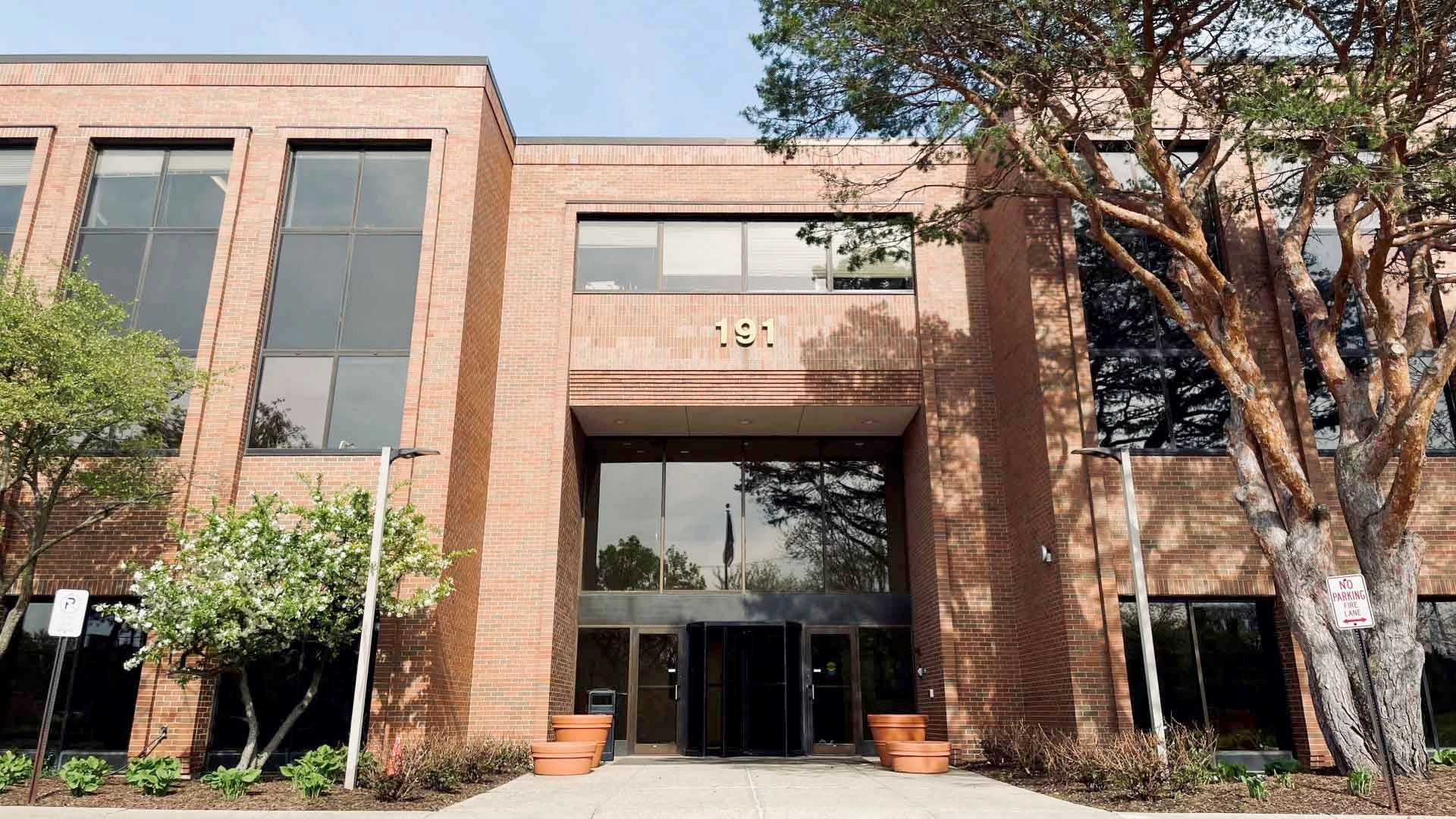
Acupuncture North Clinic is centrally located to serve patients throughout Chicago’s North Shore. Our Northfield office is easily accessible from Northfield, Northbrook, Glenview, Winnetka, Wilmette, Kenilworth, Highland Park, Glencoe, Deerfield, Skokie, Morton Grove, Lincolnshire, Riverwoods, and Niles.
Address
191 Waukegan Rd, Suite 102 Northfield, IL 60093
Getting here
- Just minutes from the I-94 Edens Expressway
- First-floor suite—no stairs or elevator required
- Free parking in front of and behind the building
Frequently Asked Questions About Cupping Therapy Service in Northbrook
What does cupping actually feel like during a session?
Cupping shouldn’t be painful. You’ll feel a pulling or tugging sensation as tissue is drawn into the cup, which is unusual but not typically uncomfortable. The intensity is always adjusted to your tolerance. If any cup feels too strong, Dr. Su will reduce the suction immediately. Most patients find cupping relaxing once they adjust to the sensation.
Why does cupping leave marks on the skin, and how quickly do they fade?
The circular marks are caused by blood being drawn to the surface of the skin during treatment. They are not bruises — bruises result from trauma that damages blood vessels, while cupping marks come from intentional therapeutic suction. The marks typically range from light pink to dark purple depending on the degree of stagnation in the underlying tissue. Most marks fade within 3-7 days, though some may last up to 10 days. Darker marks usually indicate areas with more significant tissue dysfunction and tend to lighten with subsequent treatments as circulation improves.
I have a wedding (or vacation) soon — should I time my cupping appointment around it?
If you have an important event where you’ll be showing your back or shoulders, plan your cupping session at least 7-10 days beforehand to allow marks to fade. Alternatively, Dr. Su can use flash cupping or lighter suction techniques that produce minimal or no marks. Sliding cupping with reduced suction also leaves lighter marks that fade more quickly. Let Dr. Su know about upcoming events during your appointment so he can adjust the treatment approach accordingly.
How many cupping sessions will Northbrook patients typically need?
Treatment frequency depends on your condition and goals. For acute muscle tension or injury recovery, weekly sessions may be recommended initially. For chronic conditions, treatments every 1-2 weeks often produce the best sustained improvement. Some Northbrook patients use cupping as monthly maintenance to prevent tension from building up. Dr. Su will recommend an appropriate schedule based on your specific needs and how your body responds to treatment. The goal is always to achieve lasting improvement with the minimum number of sessions needed.
Does cupping carry any risks I should know about before booking?
Cupping is very safe when performed by a trained practitioner like Dr. Su. The most common effects are the circular marks (which are therapeutic, not harmful) and occasional mild soreness similar to post-massage tenderness. Rare side effects can include minor skin irritation or lightheadedness. Cupping is not appropriate for certain conditions including skin infections at the treatment site, active inflammation or fever, blood clotting disorders, or pregnancy over the abdominal area. Dr. Su evaluates every Northbrook patient for contraindications before treatment and adjusts techniques to ensure safety and comfort throughout your session.
Will cupping therapy help with a cold, cough, or chest congestion?
Yes, cupping applied over the upper back and lung fields has been used for centuries to promote respiratory clearing and ease chest tightness. The technique helps loosen mucus, improve circulation to respiratory tissues, and reduce muscle tension around the ribcage that can restrict breathing. Many patients find cupping helpful during cold and flu season, for lingering coughs, and for general respiratory support. While cupping doesn’t replace medical treatment for serious respiratory conditions, it provides valuable complementary support that Northbrook patients find effective, especially when combined with acupuncture and herbal medicine.
Schedule Your Cupping Therapy Appointment in Northfield
Whether you’re dealing with chronic muscle tension, recovering from injury, seeking stress relief, or simply curious about this ancient healing technique, cupping therapy offers proven benefits worth exploring.
Dr. Kuan Su has over 12 years of experience integrating cupping into effective treatment plans. Your first step is a consultation where he’ll evaluate your condition, explain how cupping might help, and answer any questions you have.
Call (847) 868-0408 to schedule your consultation, or book online today.
Blogs
Wellness Insights and Updates
Discover All Blogs



Have questions or are you ready to start your wellness journey? Fill out our form, and our friendly team will respond within 1 business day to assist you.
Looking for Assistance?
Visit Us in Northfield
Conveniently located in Suite 102 with first-floor access and private treatment rooms. We're easy to reach from anywhere in the Northern Chicagoland area.