

Visit our location
Service
TCM Acupuncture Service in Park Ridge, IL — Trusted Care at Acupuncture North Clinic

A practical question worth asking before you book any acupuncture appointment: what kind of acupuncture is this, exactly? Most patients don’t think to ask, because most assume there’s only one kind. There isn’t. The needles look similar across styles, but the clinical reasoning behind where they go and why varies enormously — from quick trigger-point work that takes a few minutes to the structured pattern-based diagnosis that defines authentic Traditional Chinese Medicine. For Park Ridge residents weighing options nearby, the distinction can decide whether a course of treatment produces real change or just a relaxing afternoon.
The version of TCM acupuncture practiced at Acupuncture North Clinic is the full system: doctoral-level diagnostic training, pattern-based reasoning that runs through every consultation, and treatment plans calibrated to the individual rather than templated to the diagnosis. Dr. Kuan Su has spent more than twelve years building this practice around the layered, persistent conditions where pattern thinking actually matters — chronic neuropathy, persistent pain syndromes, men’s health concerns, stress-driven physical illness. Park Ridge patients regularly arrive after rounds of conventional care that didn’t fully resolve the issue, and they find the depth of clinical assessment to be the immediate differentiator.
Discover what TCM acupuncture can do for you. Call (847) 868-0408 to schedule your consultation.
What Is TCM Acupuncture?
To understand what makes TCM acupuncture distinct, it helps to understand what it isn’t. It isn’t dry needling, which physical therapists use to release muscle trigger points based on Western anatomy. It isn’t “medical acupuncture” as practiced by some MDs, which usually involves a brief weekend course layered onto an existing medical practice. It isn’t the franchise-style community acupuncture that has become more common, where treatment moves quickly through a high volume of patients in a shared room. Each of these has its place, and each can produce real results for the right patient. But none of them is the same thing as TCM.
TCM acupuncture is the version that retains the entire diagnostic and therapeutic system the technique grew out of. Practitioners trained in this tradition spend years in formal study learning to read the body through the four classical methods — observation, listening, questioning, and palpation — and to integrate what they find into a working pattern diagnosis. The pattern explains why a particular set of symptoms is showing up in this particular patient, in this particular way, at this particular time. From the pattern, point selection, technique choice, treatment frequency, and adjunctive modalities all follow. It’s a complete medical system, not a procedure detached from one.
This depth is part of why TCM is being formally integrated into mainstream academic medicine. According to Loyola Medicine, acupuncture is offered through Loyola’s family medicine practice for chronic pain conditions and is considered particularly useful in cases where conventional Western approaches have reached their limits — exactly the kind of presentation that arrives at Acupuncture North Clinic regularly.
How TCM Acupuncture Works
The therapeutic effects of TCM acupuncture aren’t a single mechanism — they’re a set of mechanisms operating simultaneously. Four foundational ideas explain how the system actually works in clinical practice.
01.
Pattern Diagnosis
The diagnostic process is what separates TCM from any simpler approach to needling. Dr. Su works through a layered assessment: detailed symptom history, observation of complexion and bearing, examination of the tongue, and palpation of the pulse at multiple positions on both wrists. Each component contributes its own data, and the integration of all four produces the working pattern diagnosis.
Pulse reading in TCM extracts information about depth, force, rhythm, regularity, and texture, with each of six positions corresponding to specific organ networks. Tongue diagnosis evaluates color, coating, shape, movement, and any unusual markings. From the integrated assessment, Dr. Su identifies whether the case involves excess or deficiency, heat or cold, stagnation or hyperactivity, and which organ networks are most involved. Point selection follows from that pattern, calibrated to your specific case rather than to a standardized protocol for your Western diagnosis.
02.
Channel Theory
The classical channel system maps the body through a network of pathways linking the surface to internal organ systems. Acupuncture points along these channels function as access points for influencing physiology beyond the immediate location of the needle.
Modern anatomical research has held this framework up surprisingly well. Many channels track along recognizable planes of fascial continuity. Many points correspond to areas of high nerve density or vascular crossover. Functional MRI research has shown repeatedly that needling specific points produces activation in corresponding brain regions — often with surprising specificity to classical claims about which points influence which functions. The classical map describes the same anatomy modern medicine describes; it just uses a different conceptual language to describe it.
03.
Restoring Balance
The therapeutic logic of TCM isn’t to add or subtract from the body’s function — it’s to identify where self-regulation has broken down and to support its return to function. Acupuncture has been demonstrated in clinical practice for thousands of years, with proposed mechanisms divided into three processes: sensation, transmission, and effect. The body’s homeostatic mechanisms then handle most of the actual healing once the underlying disturbance shifts.
This explains a phenomenon Northfield patients regularly describe: improvements in unrelated areas during a course of treatment. The patient who came in for a knee issue notices their digestion stabilizes. The patient working on hormonal symptoms reports their sleep deepens. These shifts aren’t bonus effects — they’re what happens when an underlying pattern moves, with consequences rippling outward across systems that share the imbalance.
04.
Modern Validation
Although TCM uses traditional language to describe its actions, the mechanisms underlying its clinical effects are increasingly described in concrete biomedical terms. Treatment alters neurotransmitter levels, including serotonin, dopamine, and the body’s endogenous opioid compounds. It reduces measurable inflammatory cytokines. It rebalances autonomic nervous system tone, shifting activity from chronic sympathetic dominance toward parasympathetic recovery — a mechanism that helps explain why TCM acupuncture produces benefits across pain, sleep, mood, and digestive function simultaneously. It modifies regional and systemic blood flow patterns, both at the needling site and in distant target tissues.
These mechanisms together explain the unusual breadth of conditions TCM acupuncture can address. The treatment isn’t designed for a single symptom — it influences foundational physiological processes that touch virtually every body system.
Conditions We Treat with TCM Acupuncture in Park Ridge
Dr. Su’s practice concentrates on four condition categories where TCM acupuncture consistently delivers strong outcomes for Park Ridge patients.
Neuropathy
Nerve damage presents a significant challenge for conventional medicine, which often has little to offer beyond symptom-masking medications. TCM views neuropathy through a different lens: as a problem of circulation, nourishment, and channel obstruction that can be addressed through proper treatment.
TCM acupuncture for neuropathy aims to improve blood flow to damaged nerves, reduce inflammation impeding healing, and restore proper nerve signal transmission. Many patients experience meaningful improvement in numbness, tingling, burning sensations, and pain, even when told their condition was untreatable.
Neuropathy conditions Dr. Su treats include:
- Peripheral neuropathy (diabetic, chemotherapy-induced, idiopathic)
- Numbness and tingling in extremities
- Burning or shooting nerve pain
- Loss of sensation and coordination
Research published in the Journal of Acupuncture and Meridian Studies demonstrates acupuncture’s effectiveness for diabetic peripheral neuropathy, with improvements in both symptoms and nerve conduction measurements.
Pain Management
Pain is one of acupuncture’s most thoroughly researched applications. A landmark meta-analysis published in JAMA Internal Medicine analyzed data from nearly 18,000 patients and concluded that acupuncture is effective for chronic pain. The benefits persist over time rather than fading after treatment ends.
TCM acupuncture approaches pain by identifying and treating its root cause within the traditional framework. Is pain caused by stagnation that needs to be moved? Cold that needs to be warmed? Deficiency that needs to be nourished? The answers guide point selection for your specific pain pattern.
Pain conditions Dr. Su regularly treats:
- Chronic pain
- Low back pain
- Neck and shoulder pain
- Sciatica
- Arthritis
- Migraines and headaches
- Plantar fasciitis
- Sports injuries
Whether your pain is acute or has persisted for years, TCM acupuncture offers a treatment approach that addresses underlying causes rather than simply blocking pain signals.
Stress Management
Modern life creates chronic stress that disrupts virtually every body system. Sleep suffers. Digestion falters. Immunity weakens. Mood destabilizes. Conventional medicine often addresses these as separate problems requiring separate medications, an approach that frequently creates as many issues as it solves.
TCM recognizes these symptoms as interconnected expressions of the same underlying imbalance. Treatment aims to calm an overactive stress response, restore proper sleep-wake cycles, support digestive function, and rebuild depleted reserves. Because the approach is systemic, patients often see improvement across multiple symptoms simultaneously.
Stress-related conditions Dr. Su treats:
- Stress and anxiety
- Insomnia and sleep disorders
- Chronic fatigue
- Cancer support
Men's Health
TCM has addressed male reproductive and urological health for centuries, long before these topics became uncomfortable to discuss openly. Classical texts contain detailed treatment protocols for conditions that many men today suffer with silently, assuming nothing can be done.
At Acupuncture North Clinic, Dr. Su provides confidential, professional care for men’s health concerns in a private treatment environment. TCM acupuncture addresses these conditions by improving pelvic circulation, reducing inflammation, regulating hormonal function, and calming the performance anxiety that often compounds physical issues.
Men’s health conditions Dr. Su treats:
- Erectile dysfunction
- Enlarged prostate (BPH)
- Post urinary dribbling
- Strangury (painful urination)
- Testicular pain
- Male infertility
If your specific concern isn’t named here, that doesn’t mean treatment isn’t a fit. The breadth of TCM’s clinical applicability extends well beyond what any short list can capture. Reach out and we’ll talk through whether your case is likely to respond.
What to Expect During Your First TCM Acupuncture Visit
Most first-time patients are surprised at how different a TCM intake is from a conventional medical appointment. Pattern diagnosis simply requires more information, gathered more deliberately, than a typical fifteen-minute physician visit collects.
01. The TCM Consultation
Your first conversation is unhurried and detailed. Dr. Su begins with your primary concern and works systematically through related dimensions — sleep, appetite, digestion, urinary patterns, body temperature regulation, sweating tendencies, emotional baseline, menstrual or reproductive history where relevant, and other lines of inquiry that often surface diagnostically meaningful information.
After the questioning, Dr. Su moves to physical assessment. He’ll palpate your pulse at six positions across both wrists, evaluating quality at each — depth, force, rhythm, regularity, and texture. He’ll examine your tongue, observing color, coating, shape, movement, and any cracks or markings. The integration of intake and physical assessment produces your working pattern diagnosis, which then drives the entire treatment plan.
Expect this portion to take 20 to 30 minutes for new patients.
02. Your Treatment Session
After the diagnostic phase concludes, you’ll move to a private treatment room. Based on the pattern Dr. Su has identified, he’ll select acupuncture points calibrated specifically to your case. Position depends on which points are being used — face up, face down, or on your side.
The needles themselves are extraordinarily fine — narrower than most medical needles, often closer in diameter to a strand of hair. Insertion sensation is typically minimal: a brief tap, sometimes a passing tingle, occasionally nothing perceptible at all. Once placed, needles remain for approximately 20 to 30 minutes, and many patients drift into deep relaxation or sleep entirely during the retention period.
Where appropriate, Dr. Su may incorporate complementary techniques during the same session — cupping, infrared heat, or gentle electrical stimulation routed through inserted needles.
A first appointment runs approximately 75 to 90 minutes including consultation. Subsequent visits are typically 45 to 60 minutes.
03. After Your Session
Patient responses post-treatment vary, and the typical ones are all positive signs. Some patients leave feeling lightly refreshed and clear-headed. Others feel pleasantly tired and benefit from a quiet evening at home. A small number experience immediate symptom shifts; more often, change unfolds gradually across the next 24 to 72 hours.
Dr. Su frequently sends patients home with TCM-grounded lifestyle recommendations — adjustments to dietary timing, sleep architecture, breath practice, or movement aligned with the pattern being treated. These home-side practices often determine how quickly progress consolidates between visits.
TCM Acupuncture vs. Other Acupuncture Styles
Acupuncture isn’t a single discipline — it’s a family of styles with meaningful differences in scope, training depth, and clinical reasoning. Understanding the differences helps clarify what you’re actually choosing when you book.
TCM Acupuncture
TCM acupuncture is the parent system. Treatment is selected through formal pattern diagnosis and addresses the entire person, not the symptom in isolation. Point selection is fully individualized. Best suited for layered cases, multi-system complaints, chronic conditions, and presentations that haven’t responded to symptom-focused approaches. Practitioners require extensive training — typically a master’s or doctoral-level degree.
Auricular Acupuncture
Auricular acupuncture works through points on the outer ear, which contains a richly innervated reflex map of the body. Especially effective for stress, anxiety, sleep regulation, addiction recovery, and pain control. Frequently combined with TCM body acupuncture for stronger systemic effects, and can be reinforced between visits with ear seeds — small adhesive points that maintain stimulation.
Orthopedic Acupuncture
Orthopedic acupuncture pairs Western anatomical knowledge with needle technique, focusing specifically on musculoskeletal complaints. Strongest for sports injuries, joint dysfunction, post-surgical stiffness, and structural pain with clear mechanical causes. Dr. Su often blends orthopedic technique with TCM principles when a structural problem also has systemic components.
Electroacupuncture
Electroacupuncture delivers a mild controlled electrical current through inserted needles, intensifying the neurological reach of treatment. Particularly useful for neuropathy, nerve recovery, stubborn pain syndromes, and cases involving muscle weakness. Often combined with TCM treatment when additional stimulation strength is clinically warranted.
Dr. Su trained across multiple acupuncture styles and selects the technique — or blend — best suited to each individual case.
Why Choose Acupuncture North Clinic for TCM Acupuncture in Park Ridge?
Advanced TCM training
Dr. Su holds both a Master of Science in Traditional Chinese Medicine and a Doctorate of Acupuncture & Chinese Medicine from Pacific College of Health & Science. This extensive education provides deep grounding in classical TCM theory and its modern applications.
Specialization in complex cases
Dr. Su focuses on patients dealing with chronic and difficult conditions: neuropathy, persistent pain, men’s health issues, and cases where conventional treatment hasn’t provided adequate relief. TCM’s pattern-based approach is particularly valuable for these challenging situations.
12+ years of clinical experience
Over more than a decade of full-time practice, Dr. Su has treated thousands of patients using TCM acupuncture. This depth of experience means he’s likely seen patterns similar to yours and knows which approaches work best.
Personalized treatment plans
TCM acupuncture is inherently individualized. Your treatment reflects your unique pattern of imbalance, not a standardized protocol applied to everyone with your diagnosis.
Private treatment rooms
Every patient receives treatment in their own room, ensuring comfort, relaxation, and confidentiality.
Convenient Northfield location
Our first-floor suite at 191 Waukegan Rd offers easy access with no stairs or elevator required. Free parking is available, and we’re just minutes from the I-94 Edens Expressway.
Complementary Services
TCM acupuncture often delivers the best results when combined with other traditional therapies. Based on your condition and treatment response, Dr. Su may recommend:
01.
Cupping Therapy
uses suction cups to increase blood flow, release muscle tension, and clear stagnation. In TCM, cupping is particularly effective for pain conditions, respiratory issues, and detoxification.
02.
Infrared Heat Lamp Therapy
provides deep-penetrating warmth that reduces inflammation and eases stiffness. TCM recognizes heat therapy as essential for conditions involving cold or deficiency patterns.
03.
Chinese Herbal Medicine
offers internal support that complements external acupuncture treatment. Custom herbal formulas address your TCM pattern from the inside, often accelerating improvement. Herbal medicine has been used alongside acupuncture for thousands of years.
04.
Activities of Daily Living Support
provides guidance on lifestyle modifications that support your treatment. TCM has always emphasized the role of diet, sleep, exercise, and emotional health in recovery and maintenance.
Serving Northfield and the Greater North Shore
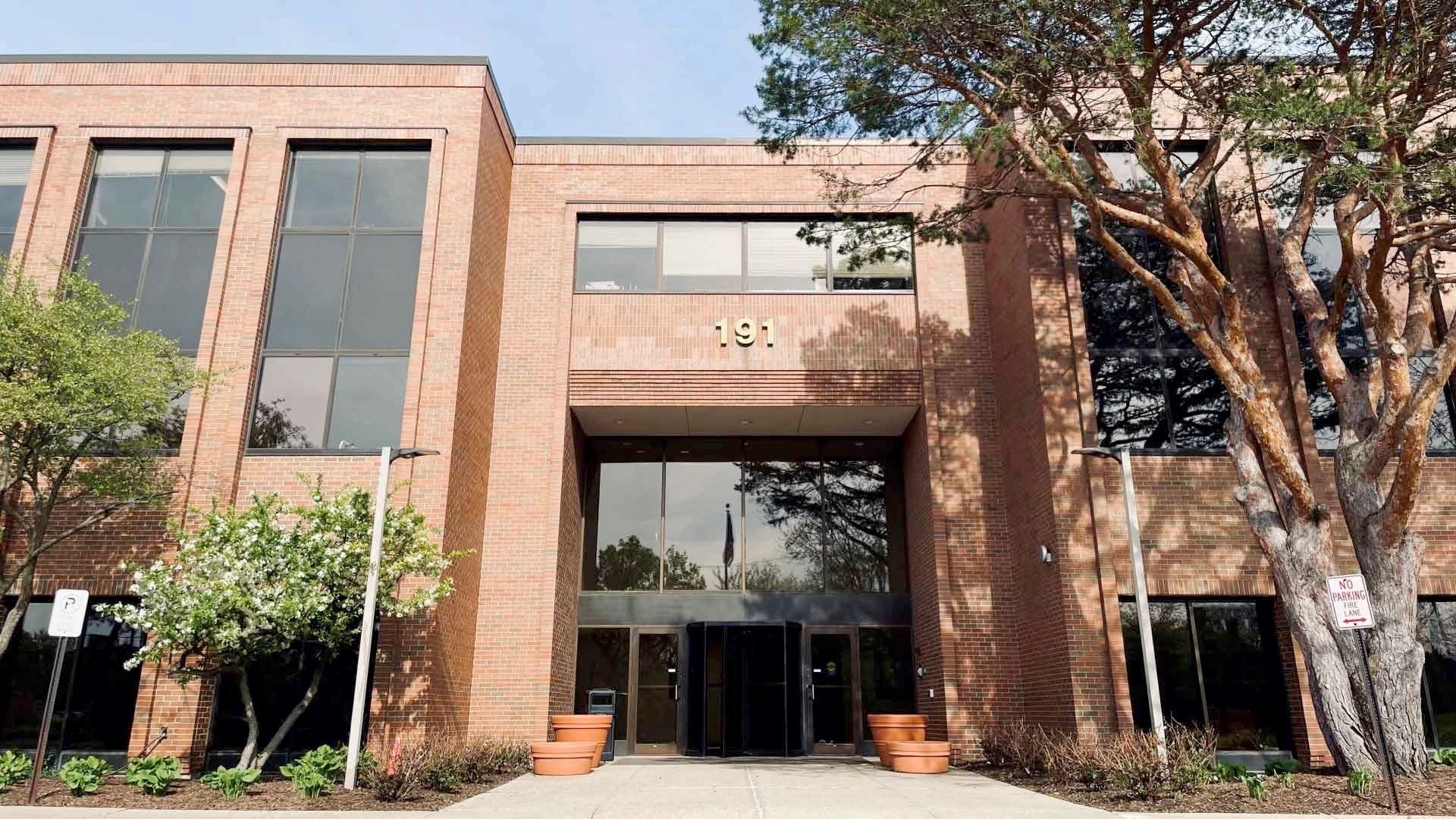
Acupuncture North Clinic is centrally located to serve patients throughout Chicago’s North Shore. Our Northfield office is easily accessible from Northfield, Northbrook, Glenview, Winnetka, Wilmette, Kenilworth, Highland Park, Glencoe, Deerfield, Skokie, Morton Grove, Lincolnshire, Riverwoods, and Niles.
Address
191 Waukegan Rd, Suite 102 Northfield, IL 60093
Getting here
- Just minutes from the I-94 Edens Expressway
- First-floor suite—no stairs or elevator required
- Free parking in front of and behind the building
Frequently Asked Questions About TCM Acupuncture in Park Ridge
What's the difference between TCM acupuncture and regular acupuncture?
All acupuncture involves inserting thin needles at specific points, but TCM acupuncture is distinguished by its diagnostic framework. Rather than treating symptoms in isolation, TCM identifies your underlying pattern of imbalance and selects points accordingly. Two patients with the same Western diagnosis might receive different TCM treatments because their patterns differ. This individualized approach often succeeds where standardized protocols fall short.
How is TCM diagnosis different from Western diagnosis?
Western medicine diagnoses conditions based on lab values, imaging, and symptom clusters. TCM diagnosis identifies patterns of imbalance using pulse assessment, tongue observation, and detailed questioning about symptoms conventional medicine often ignores. The two systems can work together: your Western diagnosis tells us what condition you have, while TCM diagnosis reveals how that condition manifests in your unique body and what treatment approach will work best.
How many TCM acupuncture sessions will I need?
This depends on your condition’s nature and duration. Acute problems often respond within 4-6 sessions. Chronic conditions that have persisted for months or years typically require 8-12 sessions before significant improvement, followed by maintenance visits. Dr. Su will give you a realistic treatment estimate during your initial consultation based on your specific pattern and condition.
Is TCM acupuncture safe?
Yes. When performed by a licensed, trained practitioner like Dr. Su, acupuncture is extremely safe. The needles used are sterile, single-use, and much thinner than hypodermic needles. Serious adverse events are exceptionally rare. The most common side effects are minor bruising at needle sites and temporary fatigue after treatment.
Can TCM acupuncture help conditions Western medicine can't diagnose?
Often, yes. TCM excels with conditions that don’t fit neatly into Western diagnostic categories. When your symptoms are real but your tests come back normal, or when issues span multiple body systems without an obvious connection, TCM’s pattern-based approach frequently provides clarity and effective treatment direction. Dr. Su specializes in these complex cases.
Will I need to take Chinese herbs along with acupuncture?
Not necessarily. While acupuncture and herbal medicine work synergistically in TCM, many patients achieve excellent results with acupuncture alone. Dr. Su will recommend herbs only if he believes they would significantly benefit your treatment. The choice is always yours.
Schedule Your TCM Acupuncture Appointment in Park Ridge
If you’ve been working through a complex condition without making the kind of progress you hoped for — or if conventional approaches have addressed the visible symptom without resolving what was actually driving it — TCM acupuncture is worth a serious look. Dr. Kuan Su has spent more than twelve years applying the full diagnostic and treatment framework of Traditional Chinese Medicine to help patients across the North Shore and Northwest suburbs turn around exactly these kinds of cases.
Your first step is a consultation. Dr. Su will perform a complete TCM assessment, walk you through what he’s seeing in your pattern, and give you an honest read on whether treatment is likely to help. There’s no pressure and no obligation — just a clinical conversation grounded in twenty-five centuries of refined diagnostic reasoning.
Blogs
Wellness Insights and Updates
Discover All Blogs


Have questions or are you ready to start your wellness journey? Fill out our form, and our friendly team will respond within 1 business day to assist you.
Looking for Assistance?
Visit Us in Northfield
Conveniently located in Suite 102 with first-floor access and private treatment rooms. We're easy to reach from anywhere in the Northern Chicagoland area.