

Visit our location
Service
Herbology Park Ridge, IL
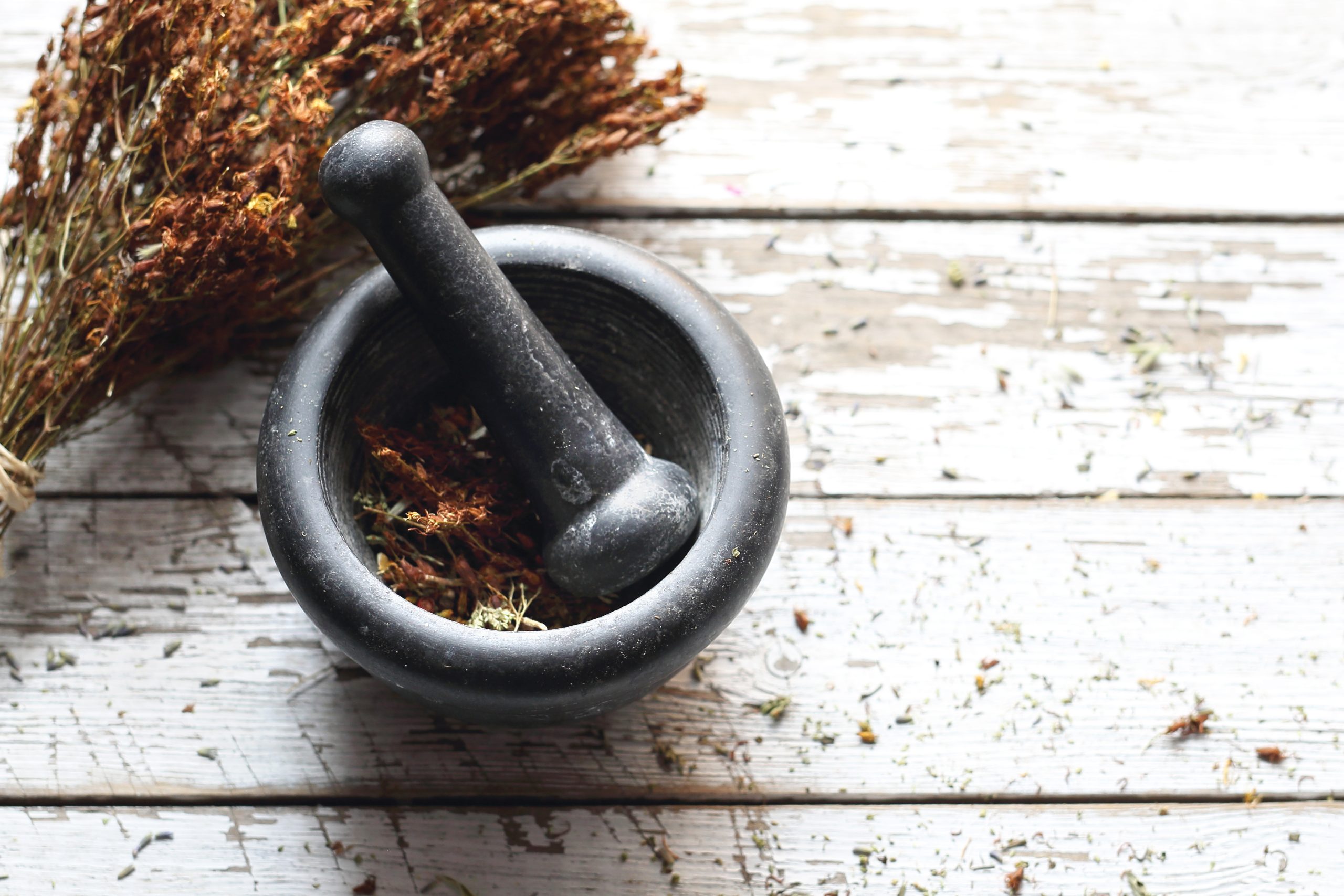
Long-term relief sometimes has to come from inside your own body, not only from the outside in. While needle-based treatment works through the skin and nervous system, herbal medicine reaches your organs, hormones, and circulation directly. Research summarized by the National Institutes of Health confirms that a well-matched herbal formula can calm inflammation, steady digestion, balance hormone output, and resolve issues that manual therapy alone may only partly reach.
At Acupuncture North Clinic, Dr. Kuan Su builds custom herbal formulas around your specific health pattern rather than a generic label on a chart, giving patients throughout Park Ridge access to a refined system of internal medicine that works alongside acupuncture and our other therapies. Our flagship herbal medicine page for Northfield patients walks through this same approach in more detail if you would like additional background before your visit.
Interested in herbal medicine? Call (847) 868-0408 to schedule your consultation.
What Is Herbology?
Herbal medicine relies on plant material, along with select mineral and animal-derived substances, to correct imbalance and restore normal function. The lineage Dr. Su trained in spans well over two thousand years of recorded practice, with detailed notes on which substances treat which patterns and how to combine them for the strongest result.
Where many Western herbal products rely on one ingredient for one purpose, this system builds formulas from several ingredients acting as a coordinated team. A single prescription may include ten to fifteen herbs, and each one earns its place. Some strike directly at the main complaint, while others reinforce the lead herbs, soften any harshness, or steer the formula toward a particular organ system.
Academic centers continue to study herbal formulas for uses spanning heart health to supportive cancer care, and peer-reviewed journals regularly publish findings on how these formulas act at a cellular level. This growing body of research gives patients a clearer picture of why herbal treatment has endured for so long.
At our Park Ridge area practice, herbal prescriptions function as an internal counterpart to acupuncture. Needling encourages your body to heal from the outside, while herbs supply compounds that go to work internally, and pairing the two often produces a more complete result than either approach alone.
How Herbology Works
Herbal remedies create measurable change in the body because of the chemically active compounds inside the plant material, which helps explain why herbal medicine works across such a broad range of complaints.
01.
Active Compounds
Therapeutic herbs contain a wide array of naturally occurring compounds, including alkaloids, flavonoids, polysaccharides, and volatile oils. Certain compounds dial down inflammation. Others shift immune activity, adjust hormone levels, resist harmful microorganisms, or influence how nerve signals travel.
Laboratory research has isolated many of these substances individually. Curcumin, extracted from turmeric root, has documented anti-inflammatory properties confirmed in numerous trials. Astragalus root contains polysaccharides shown to support a healthy immune response. None of this depends on faith. It rests on measurable chemistry.
02.
Synergistic Formulation
The real strength of herbal medicine shows up when several herbs are combined, so their individual actions reinforce one another, letting a formula reach a complex condition more fully than any single herb could manage alone.
- Lead herbs carry the main therapeutic action against the primary complaint.
- Supporting herbs reinforce what the lead herbs accomplish.
- Balancing herbs manage side symptoms or temper harsh qualities in the mix.
- Directing herbs steer the formula toward a specific organ system.
This layered method lets a practitioner shape a formula around the person in front of them. Two patients with the same Western diagnosis may leave with two different prescriptions because their underlying patterns differ.
03.
Pattern-Based Prescribing
Herbal prescribing draws on the same diagnostic framework used in TCM acupuncture, sorting patients by their underlying pattern rather than by the name of the disease alone. Research on pattern-based diagnosis explains why this method can help people whose conditions never fully responded to standard care. When a conventional medication targets a mechanism that was never your true root cause, it may fall short.
Take sleeplessness as an example. It can stem from very different patterns from one patient to the next, including internal heat, blood deficiency, or a sluggish digestive system, and each calls for a different formula.
04.
Safety Through Traditional Knowledge
The herbs Dr. Su relies on have been used clinically for hundreds of years, with well-documented notes on typical dosing, expected effects, and known interactions- a depth of clinical history a brand new pharmaceutical compound has not had time to accumulate.
Modern testing adds an additional safeguard. Trustworthy suppliers screen every batch for contaminants such as heavy metals and pesticide residue, confirming that the formula in the bottle matches the label.
Forms of Herbal Medicine
Dr. Su prescribes herbal medicine in a handful of formats, chosen around your condition, schedule, and personal preference.
01. Granule Formulas
Granules are herbal extracts reduced into a fine, concentrated powder. The raw herbs are simmered into a strong liquid, then dried into granules that dissolve quickly in hot water and are sipped like tea.
This format delivers real strength without demanding real effort. Granules travel well, need nothing more than warm water, and let Dr. Su fine-tune your dose closely. For most patients balancing work and family life, granules end up being the easiest format to stick with.
02. Raw Herb Decoctions
A raw herb tea is prepared by simmering whole, unprocessed herbs in water for thirty to sixty minutes before straining and drinking the liquid, which pulls out the broadest range of active compounds.
Raw teas take longer to prepare than granules but can carry more strength for stubborn conditions. Some patients enjoy the ritual of brewing their own medicine, and many find the earthy flavor becomes part of the therapeutic experience.
03. Patent Formulas
Pre-formed pills package classic herbal combinations into a grab-and-go format. Nothing needs to be brewed or measured, which makes this option the simplest to fit into a packed schedule, though it cannot be adjusted to your exact pattern the way a custom formula can.
Dr. Su tends to reach for these options for straightforward complaints, for frequent travelers, or as a practical bridge when a fully custom formula is not necessary.
04. Topical Preparations
A number of complaints respond well to herbal medicine applied directly to the skin, including liniments, medicated plasters, and herbal soaks, which work particularly well for joint and muscle pain and skin flare-ups.
Health Concerns We Address With Herbal Formulas in Park Ridge
Herbal medicine supports every one of Dr. Su’s four core treatment categories. Where acupuncture works from outside the body inward, herbal formulas work from the inside out, reaching complaints that respond best to internal medicine.
Pain Management
Herbal formulas target pain from several directions at once, easing inflammation, boosting circulation to injured tissue, and loosening tight muscles.
Chronic Pain: Pain that has lingered for months or years is often tied to ongoing inflammation and sluggish circulation, both of which herbal formulas can address from within by lowering the inflammatory load and pushing more blood into affected tissue.
Arthritis: Herbal treatment for arthritis has a long clinical track record, pairing anti-inflammatory herbs with ingredients that nourish cartilage and connective tissue. Data compiled by the CDC shows arthritis remains a leading cause of disability nationwide, which is part of why a consistent herbal plan matters over time.
Lower Back Pain: When back pain is rooted in an underlying deficiency, herbal formulas add internal support that manual therapy alone cannot supply, strengthening tissue around the spine and calming inflammation near compressed nerves.
Migraines and Headaches: Herbal formulas for headache disorders target patterns such as rising heat, sluggish blood flow, or depletion. Used consistently, they can lower how often migraines strike and how severe each episode becomes.
Neck and Shoulder Tension: When tight muscles trace back to stress or poor sleep, herbal formulas correct those root causes while manual therapy releases the tension itself.
Sciatic Nerve Pain: Herbal formulas calm inflammation surrounding an irritated nerve and improve local circulation so healing can proceed.
Athletic Injuries: Herbal medicine speeds recovery from sports injuries by lowering inflammation and supporting the body’s own repair process.
Neuropathy
Herbal medicine offers meaningful internal support for nerve-related pain by targeting circulation, inflammation, and nerve nourishment.
Peripheral Nerve Damage: Damaged nerves need a strong blood supply and lower inflammation before they can repair. Cleveland Clinic notes nerve recovery depends heavily on restored blood flow, and herbal formulas work on that front while also supplying nourishing compounds that support tissue repair.
Stress Management
Herbal medicine is well suited to stress-related complaints, settling an overactive nervous system, encouraging restful sleep, and rebuilding reserves that chronic stress has worn down.
Stress and Anxiety: Herbal formulas act through several channels, calming the nervous system, regulating stress hormones, and settling the muscle tension that rides along with chronic stress. Researchers at the NIMH note anxiety disorders affect a substantial share of American adults, and unlike many pharmaceutical anxiolytics, herbal formulas typically avoid dependence.
Insomnia: Herbal medicine offers a genuine alternative for sleep disorders without the dependency risk tied to many prescription sleep aids, targeting the specific pattern behind your insomnia, whether that involves excess heat, anxiety, or a disrupted digestive rhythm.
Persistent Fatigue: When exhaustion stems from depleted reserves, adaptogenic herbs support adrenal function and gradually restore stamina. These gains take consistent use but can produce a genuine turnaround in energy.
Cancer Support: Herbal medicine assists cancer patients by easing treatment side effects and supporting immune resilience. Guidance from the American Cancer Society stresses coordinating any herbal plan with your oncology team so nothing conflicts with active treatment.
Men's Health
Herbal medicine has addressed men’s health concerns for centuries, and its record of effectiveness continues to hold up under modern scrutiny.
Erectile Dysfunction: Herbal formulas approach ED from several directions, improving circulation, supporting hormonal balance, and easing performance-related anxiety. The NIDDK notes ED is not an inevitable part of aging and often responds well to treatment aimed at its underlying cause.
Enlarged Prostate: Herbal medicine can meaningfully ease urinary symptoms tied to an enlarged prostate, reducing frequency and nighttime trips. Mayo Clinic confirms several herbs used for prostate support have drawn enough research interest to appear in conventional urology discussions.
Post Void Dribbling: Herbal formulas strengthen the systems governing urinary control, reducing dribbling and improving bladder function.
Painful Urination: Burning or painful urination generally responds well to herbal treatment, which calms inflammation within the urinary tract.
Testicular Discomfort: Herbal medicine can lower inflammation and improve circulation throughout the pelvic region.
Male Fertility Support: Herbal formulas can improve sperm count and motility. Because a full production cycle runs roughly seventy-four days, treatment typically needs three to six months of consistent use before change appears.
Additional Conditions
Beyond these four core categories, herbal medicine at our practice also supports:
- Digestive complaints such as irritable bowel syndrome, reflux, and constipation.
- Respiratory issues including seasonal allergies and frequent colds.
- Skin conditions such as eczema and psoriasis.
- General immune resilience, cardiovascular wellness, and overall preventive care.
Not sure whether herbal medicine fits your particular condition? Reach out to our office and we will walk through your situation together.
Wondering if herbal medicine could help your condition? Contact our office to discuss your specific situation.
What to Expect with Herbal Medicine
If herbal medicine is new to you, knowing what the process looks like helps you get the most value out of treatment from day one.
01. Assessment
Prescribing herbs starts with the same careful intake used for TCM acupuncture. Dr. Su will walk through your symptoms, medical background, digestion, sleep, and energy levels. He may also check your tongue and pulse for additional diagnostic clues.
This intake pinpoints the specific pattern driving your symptoms, and that pattern determines which formula will actually serve you best.
02. Your Prescription
Once the intake is complete, Dr. Su prescribes a formula built specifically around your pattern and walks you through what it contains and what to expect.
Your prescription comes with clear instructions covering preparation and dosing. Most formulas are taken two to three times daily, generally before or between meals.
03. Taking Your Herbs
Herbal medicine only works if you take it consistently. Unlike a pharmaceutical that can act after a single dose, herbal formulas build cumulative effects that grow stronger over weeks of steady use.
Granule formulas dissolve in warm water and are consumed like tea. Flavor varies by formula, and some taste distinctly bitter or sour. That flavor often reflects the therapeutic compounds each herb contributes and becomes easier to tolerate as your body adapts.
If taste becomes a real obstacle, Dr. Su can suggest practical ways to make your herbs easier to take.
04. Timeline for Results
How quickly you notice a difference depends heavily on your specific condition:
- Recent, mild complaints often respond within days to about a week.
- Moderate chronic conditions typically show movement within two to four weeks.
- Long-standing chronic conditions may require one to three months.
- Preventive support is a longer-term commitment with gradual benefit.
Dr. Su will set realistic expectations based on your case. Herbal medicine tends to reward patience and steady follow-through.
05. Formula Adjustments
Your prescription is likely to change as your condition shifts, and regular follow-up visits let Dr. Su track your progress and adjust it accordingly.
Some patients stay on a single formula for their entire course of treatment. Others move through several versions as they improve.
Why Park Ridge Patients Choose Acupuncture North Clinic
Extensive herbal training
Dr. Su built serious herbal training into his doctorate in acupuncture and Chinese medicine, with close study of herbal pharmacology, formula design, and safe, careful prescribing.
Pattern-based prescribing
Every formula is customized based on your individual pattern, not generic recommendations based solely on your diagnosis. This personalized approach produces better results than one-size-fits-all herbal products.
Quality herb sources
Dr. Su uses herbs from reputable suppliers who test for purity, potency, and safety. This ensures you receive effective, uncontaminated herbal medicine.
Integration with acupuncture
Herbology works best when coordinated with acupuncture and other treatments. Dr. Su’s expertise in multiple modalities allows him to create comprehensive treatment plans where all components work together.
12+ years of clinical experience
Over more than a decade of practice, Dr. Su has prescribed herbal formulas for thousands of patients and understands what works for different conditions and constitutions.
Ongoing monitoring
Herbal treatment includes regular follow-up to assess your response and adjust formulas as needed. This ensures your prescription remains optimal as your condition evolves.
Convenient Northfield location
Our first-floor suite at 191 Waukegan Rd offers easy access with free parking and proximity to the I-94 Edens Expressway.
Complementary Services
Herbal medicine works synergistically with the other therapies offered at our practice. Depending on your condition, Dr. Su may recommend combining herbs with:
01.
Acupuncture
and herbology form a classic treatment combination. Acupuncture works externally to stimulate healing responses while herbs work internally to provide therapeutic substances. The combination addresses your condition from both directions and often produces better results than either approach alone.
02.
TCM Acupuncture
uses the same diagnostic framework as herbology, allowing seamless integration between needle treatment and internal medicine. Your acupuncture points and herbal formula are selected based on the same pattern diagnosis.
03.
E-Stim Therapy
provides enhanced pain relief and nerve stimulation. For conditions like neuropathy, combining e-stim with herbal medicine addresses the condition from multiple angles.
04.
Cupping Therapy
releases external tension and improves circulation while herbs address internal factors contributing to your condition.
05.
Infrared Heat Lamp Therapy
provides external warming that complements internally warming herbal formulas. The combination is particularly effective for conditions involving cold or stagnation.
Serving Northfield and the Greater North Shore
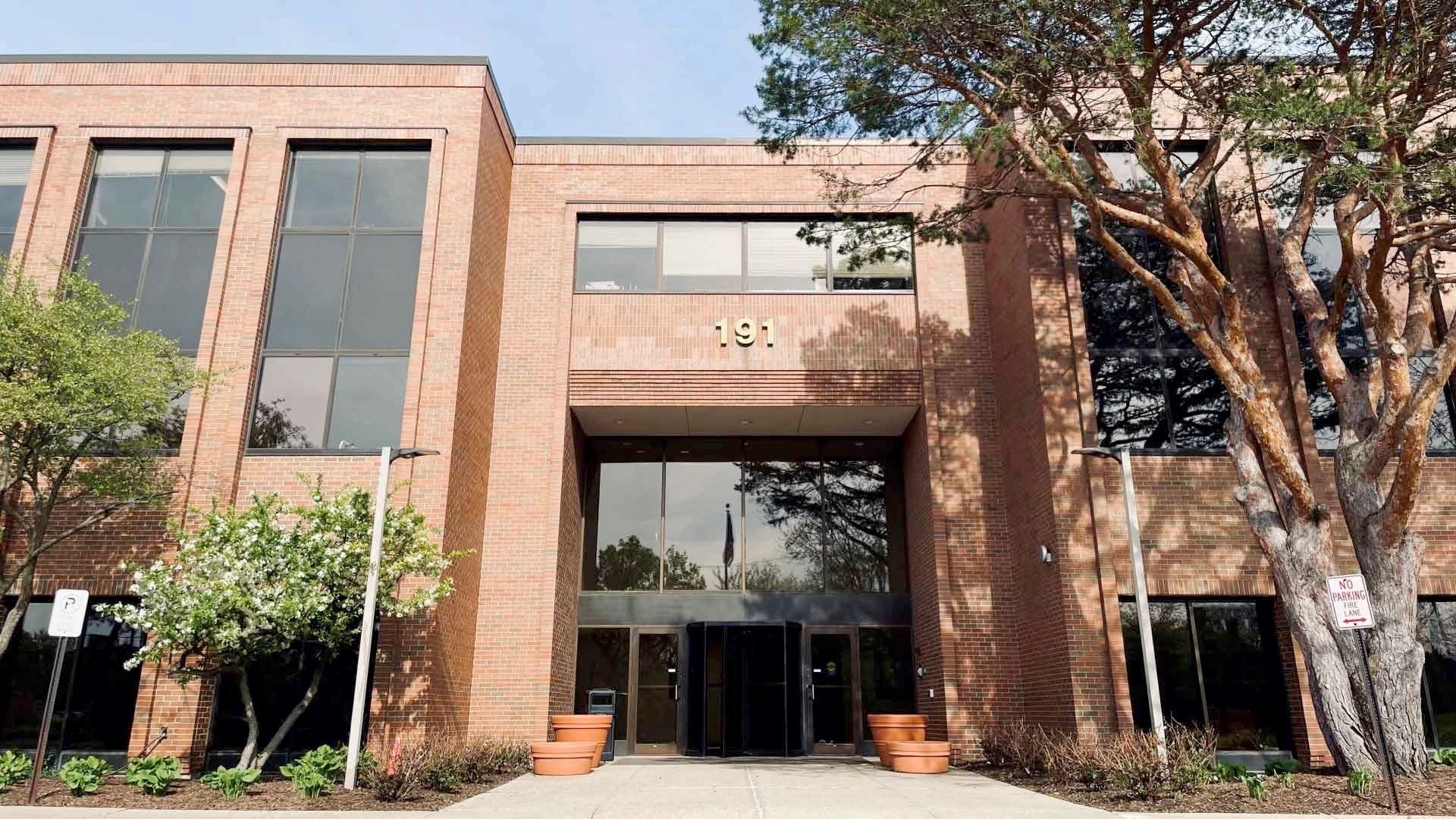
Acupuncture North Clinic is centrally located to serve patients throughout Chicago’s North Shore. Our Northfield office is easily accessible from Northfield, Northbrook, Glenview, Winnetka, Wilmette, Kenilworth, Highland Park, Glencoe, Deerfield, Skokie, Morton Grove, Lincolnshire, Riverwoods, and Niles.
Address
191 Waukegan Rd, Suite 102 Northfield, IL 60093
Getting here
- Just minutes from the I-94 Edens Expressway
- First-floor suite—no stairs or elevator required
- Free parking in front of and behind the building
Bringing Herbal Care to Park Ridge and Beyond
Are herbal medicines safe?
No. E-stim therapy should never be painful. You’ll feel a distinct pulsing, tapping, or buzzing sensation at the needle sites, and you may see muscles contracting rhythmically. The intensity is always adjusted to your comfort level. Most patients find the sensation interesting rather than unpleasant, and many find it relaxing enough to fall asleep during treatment.
Will herbs interact with my medications?
Some herbs can interact with certain medications, which is why Dr. Su reviews your complete medication list before prescribing. He avoids herbs known to interact with your medications and monitors for any unexpected effects. In most cases, herbal medicine can be used safely alongside pharmaceutical drugs, but this requires knowledgeable prescribing. Always inform Dr. Su of any medications, supplements, or over-the-counter drugs you take.
How long will I need to take herbs?
This depends on your condition. Acute conditions might require only 1-2 weeks of herbal treatment. Chronic conditions typically need 1-3 months or longer for significant improvement. Some patients use herbs long-term for ongoing support, while others complete a course of treatment and discontinue once their condition resolves. Dr. Su will give you a realistic timeline based on your specific situation.
What do the herbs taste like?
Taste varies considerably by formula. Some formulas are relatively mild. Others are quite bitter, sour, or have strong flavors. The taste often reflects the therapeutic properties. Bitter herbs tend to clear heat and reduce inflammation. Sour herbs often address the liver. While the taste takes some adjustment, most patients become accustomed to it within a week or two. If you have significant difficulty, Dr. Su can suggest strategies to make your herbs more tolerable.
Can I take herbal medicine if I'm pregnant or nursing?
Some herbs are safe during pregnancy and nursing, while others should be avoided. If you’re pregnant, planning to become pregnant, or nursing, inform Dr. Su before taking any herbal medicine. He will either prescribe only pregnancy-safe formulas or recommend waiting until after pregnancy and nursing to begin herbal treatment, depending on your condition and circumstances.
How is herbology different from supplements I can buy at the health food store?
Several important differences exist. Health food store supplements typically use single herbs in standardized doses for general purposes. Herbology uses custom formulas combining multiple herbs prescribed specifically for your pattern. The herbs themselves are often different from Western herbal products, drawn from a different pharmacopoeia with different traditional uses. And crucially, herbology involves ongoing assessment and formula adjustment by a trained practitioner rather than self-treatment based on general recommendations.
Book Your Herbal Medicine Consultation for Park Ridge Patients
Whether you want to strengthen the results of your acupuncture treatment, address a condition that calls for internal medicine, or explore an alternative to pharmaceutical drugs, herbal medicine offers a well tested path worth considering.
Dr. Kuan Su brings more than twelve years of experience prescribing herbal formulas for a wide variety of conditions. Your first visit is a consultation where he will assess your pattern and answer any questions you bring with you.
Call (847) 868-0408 to schedule your consultation, or book online today.
Blogs
Wellness Insights and Updates
Discover All Blogs


Have questions or are you ready to start your wellness journey? Fill out our form, and our friendly team will respond within 1 business day to assist you.
Looking for Assistance?
Visit Us in Northfield
Conveniently located in Suite 102 with first-floor access and private treatment rooms. We're easy to reach from anywhere in the Northern Chicagoland area.