

Visit our location
Service
Herbology In Evanston, IL
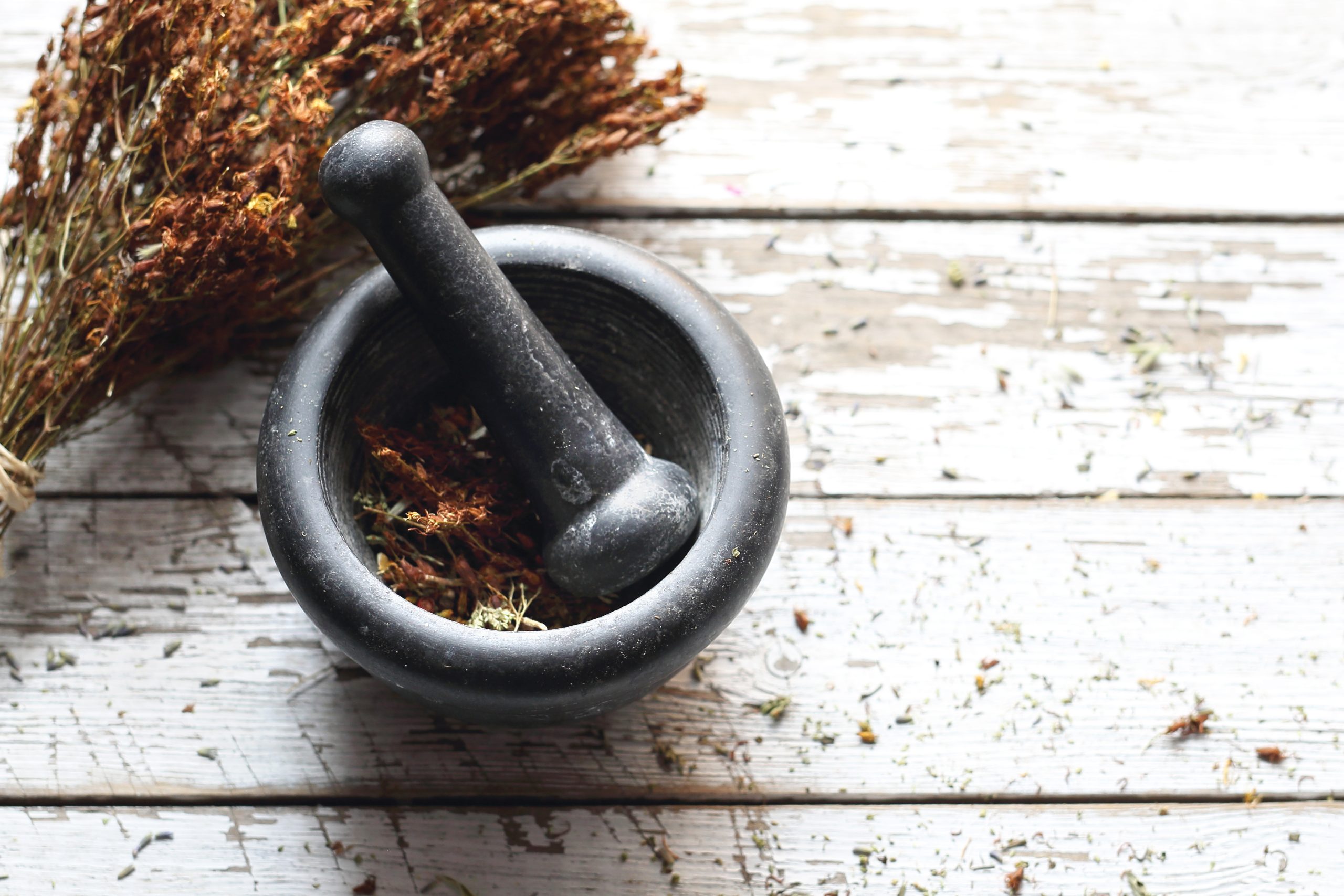
At Acupuncture North Clinic in Northfield, IL, Dr. Kuan Su shapes every herbal formula around the patient before him, caring for people across Evanston, IL and the North Shore. Rooted in centuries of clinical use and a research base that keeps broadening, herbology gives him a precise internal tool to run beside acupuncture. After more than 12 years in practice, he can sense when herbs will hasten recovery.
Every so often the body calls for care that runs deeper than a needle reaches at the surface. Acupuncture prompts change from without, while herbology restores from within, drawing on tailored plant formulas that can settle inflammation, mend sleep, shore up organ function, steady hormones, and clear concerns a needle alone never resolves.
Interested in herbal medicine? Call (847) 868-0408 to schedule your consultation.
What Is Herbology?
Herbology treats illness and builds health with medicine sourced chiefly from plants, plus a handful of minerals and other natural materials. The lineage Dr. Su works within has been refined across more than two thousand years, preserving careful accounts of which substances suit which conditions, how they act together, and the smartest ways to blend them into a result that is both effective and gentle.
Western herbalism generally ties one herb to one aim. This lineage thinks in whole formulas. It weaves together many herbs chosen to reinforce one another, one prescription often carrying a dozen. A few strike at the core problem directly. The rest back them up, blunt anything too forceful, or steer the blend toward one organ. Rather than target a lone symptom, the finished formula answers a whole pattern of imbalance.
This is documented medicine, not folklore. A national health agency presents traditional Chinese medicine, the system these formulas belong to, as a studied field, and research keeps testing the blends against concerns from digestive trouble to recovery during cancer care.
Inside our clinic, herbology serves as internal medicine beside the hands-on therapies. A needle prompts your body to respond from outside, while a formula supplies active plant compounds that work from within. Combined, the two often carry Evanston patients much further than either reaches alone.
How Herbology Works
Herbal medicine delivers its results through the active compounds packed inside plants. A brief look at how those compounds behave makes plain why one well-built formula can meet such a wide sweep of concerns.
01.
Active Compounds
A single medicinal plant is a compact pharmacy on its own, carrying hundreds of active molecules such as alkaloids, terpenes, and polysaccharides. None of this is vague. Some settle inflammation. Others regulate the immune system, guide hormones toward balance, fend off microbes, or shift the brain chemistry linked to mood.
Plenty of these molecules now stand on modern evidence. Berberine, found in several classic herbs, shows recorded action on blood sugar and cholesterol. Astragalus offers polysaccharides that strengthen immune defenses. Nothing here is mystical, only measurable chemistry doing measurable work.
02.
Synergistic Formulation
Herbology shows its real strength in the formula, where several herbs raise and steady each other. A well-built prescription usually brings together four roles:
- A chief herb that drives straight at the leading complaint
- Deputy herbs that strengthen and widen what the chief starts
- Balancing herbs that ease side effects or soften harsh edges
- Guiding herbs that steer the formula and bind it together
That layered build lets Dr. Su calibrate a formula to the single patient. Two Evanston patients handed the same diagnosis can walk away with wholly different prescriptions, since the pattern that sits beneath their trouble rarely lines up.
03.
Pattern-Based Prescribing
Herbology studies the body the way pattern-based care does, tracking the imbalance beneath the surface rather than halting at a disease name. A research review of herbal formula trials points to a steadily building evidence base, a reminder of why a well-chosen blend often reaches trouble one fixed drug leaves behind.
Take insomnia. In one patient it stems from bottled-up heat, in another from plain depletion, in a third from a stalled digestion. Each version calls for its own formula, which is exactly why Dr. Su fits the prescription to you rather than to the label on your chart.
04.
Safety Through Traditional Knowledge
The herbs Dr. Su selects arrive with a lengthy written past. Generation upon generation of use has charted their effects, their sensible doses, and the pairings best kept apart, a store of safety knowledge no freshly cleared drug can begin to rival.
Present-day quality control lays down a second guard. Dependable suppliers screen their herbs for heavy metals, pesticides, and adulterants, so the jar matches its label and nothing unwanted reaches you.
Forms of Herbal Medicine
Dr. Su prepares herbs in a handful of forms, and the pick rests on your condition and how much prep your week can hold.
01. Granule Formulas
Powder granules are strong concentrates milled into a powder. The herbs are boiled down, and the liquid dried into a powder that dissolves in hot water. You stir the dose into a mug and sip like tea.
The draw is real strength with barely any effort. Granules pack for travel, skip the stovetop, and let Dr. Su set the dose to the gram. For everyday use, most Evanston patients settle on granules.
02. Raw Herb Decoctions
A raw decoction means simmering whole herbs for nearly an hour, then drinking the strained brew. This route pulls the widest range of compounds and hands Dr. Su fine control.
It asks more time, though certain conditions answer best, and some grow fond of the daily ritual. The heavier flavor feels like part of the medicine.
03. Patent Formulas
Classic pills carry proven combinations in a tablet. Nothing needs weighing or simmering, so convenience wins. The catch is a pill cannot bend to your pattern the way granules or raw herbs can.
Dr. Su may lean on them for simpler cases, during travel, or any time a custom blend would overshoot what the moment needs.
04. Topical Preparations
Some concerns answer best to herbs on the skin, through liniments, plasters, and soaks. These route medicine straight to the sore area, proving their worth with aching muscles and joints, skin flare-ups, and localized pain.
Concerns Our Evanston Herbal Formulas Can Treat
Herbal medicine lends internal backing across the four areas Dr. Su centers his work on. Where acupuncture treats a condition from beyond the skin, a formula works from within to hasten healing and take on problems that need medicine you swallow.
Pain Management
Herbs relieve pain along several routes at once. They cool inflammation, drive blood into worn tissue, release gripped muscle, and quiet how loudly the body reports pain, which is why a single formula meets so many aches.
Chronic Pain: Pain that lingers almost always brings steady inflammation and sluggish circulation along with it. A formula tackles both from within, dialing down the low hum that keeps the ache burning past the original injury.
Arthritis: Herbs and aching joints share a long history. Formulas combine anti-inflammatory ingredients with others that nourish cartilage and boost blood flow, loosening stiff joints so they carry you comfortably through the day.
Low Back Pain: When back pain layers over depletion or grinding inflammation, a formula delivers the inner support a needle cannot, steadying the muscles that guard the spine and settling nerve pressure that has left raw.
Migraines and Headaches: Migraine formulas target the pattern beneath, be it rising heat, stagnant blood, or a spent system, and taken faithfully, they lower how often attacks arrive and how hard they hit.
Neck and Shoulder Pain: When neck and shoulder tension springs from stress, broken sleep, or a run-down frame, herbs work those roots while acupuncture frees the knot, and together they keep the relief in place.
Sciatica: For sciatica, a formula quiets the inflammation crowding an irritated nerve and lifts circulation, granting the irritation room to calm and the tissue space to mend.
Sports Injuries: With sports injuries, herbs shorten the layoff by easing inflammation, fueling tissue repair, and backing the body’s knack for rebuilding what a rough session strained.
Neuropathy
Herbal medicine brings real support to neuropathy by feeding the three things worn nerves need most: steady blood flow, calmer inflammation, and the raw material to rebuild.
Peripheral Neuropathy: Nerves mend slowly, and they need circulation, calm, and supply to do it. One formula can cover all three together, pushing blood toward failing nerves, cooling the inflammation that halts repair, and feeding the tissue what it runs on. The gains arrive by degrees, yet many Evanston patients feel the numbness and burning fade over a steady run.
Stress Management
Herbs are at their best with stress-fed complaints. The right formula can settle a nervous system stuck in overdrive, coax back real sleep, even out mood, and rebuild reserves that months of strain have worn thin.
Stress and Anxiety: For anxiety, a blend works several fronts together, calming a nervous system wound too tight, reining in runaway stress hormones, and loosening the clenched muscles and jumpy gut that often tag along, without the dependence that trails some prescriptions.
Insomnia: For insomnia, herbs address the pattern feeding the wakeful nights instead of merely knocking you flat, so Evanston patients fall asleep on their own and wake rested, not heavy and dulled.
Chronic Fatigue: When exhaustion rises from a drained battery, tonic herbs recharge it slowly over several weeks, restoring firmer stamina and clearing the flat feeling a lazy weekend never budges.
Cancer Support: Herbs can also cushion the load of cancer treatment, easing nausea, fatigue, and digestive upset while propping up quality of life, always coordinated with your oncology team so nothing conflicts.
Men's Health
Herbal medicine has cared for men’s health for centuries, resting on a firm record and formulas fitted to the man, not the label.
Erectile Dysfunction: Formulas for erectile trouble work on several channels, sharpening blood flow, settling hormones, calming the performance nerves that often crowd in, and feeding the systems behind reliable function.
Enlarged Prostate: For an enlarged prostate, herbs can lower urinary frequency, smooth the stream, and reduce the nightly trips, and several have enough study to earn a place in conventional urology.
Post Urinary Dribbling: Other blends strengthen the muscles that govern urination, easing that post-void dribble and steadying bladder control.
Strangury Painful, scalding urination answers well too, since the right formula cools inflammation across the urinary tract and eases function toward normal.
Testicular Pain: For testicular ache, a formula can quiet inflammation and improve circulation through the pelvis, addressing the factors that keep the soreness lingering.
Male Infertility: Herbs may also improve sperm count, movement, and shape, though it takes patience, since a fresh sperm run needs roughly two and a half months to ripen.
Additional Conditions
Beyond those four areas, herbal formulas stretch a good deal further, taking in:
- Digestive gripes from reflux and bloating to unpredictable bowels
- Respiratory issues like seasonal allergies and one cold after another
- Skin conditions including eczema, psoriasis, and lingering adult acne
- Everyday wellness, prevention, and support for a depleted system
Not sure a formula suits your particular situation? Ring our office, and we will gladly work through it together.
Wondering if herbal medicine could help your condition? Contact our office to discuss your specific situation.
What to Expect with Herbal Medicine
If herbal medicine sits outside your experience, a quick map of how it runs strips away the mystery and helps you draw real value from your care.
01. Assessment
Prescribing herbs demands the same searching workup as any pattern-based care. Dr. Su probes your symptoms, your history, your digestion, your sleep, and your stamina, and he may read your tongue and take your pulse for the quiet extra detail those two checks give about the state of things inside.
Everything he gathers steers him toward the pattern under your complaint, and that pattern picks your formula. Two Evanston patients carrying the same diagnosis often need different herbs, because the force driving the problem differs.
02. Your Prescription
Working off that reading, Dr. Su assembles a formula fitted to you. He talks you through what it holds, how it goes after your condition, and the changes you can fairly expect as it beds in over time.
Your prescription sets out how to ready the herbs, whether granules or raw pieces, and just when to take them. Most formulas go down two or three times daily, between meals, unless Dr. Su steers you another way.
03. Taking Your Herbs
Herbs reward steadiness. Where a drug may act on one dose, a formula stacks its effect across days and weeks of regular use, so following the plan closely counts. National supplement guidance makes the same case for botanicals, pressing for consistent, informed use rather than idle dabbling.
Granules melt into warm water and drink down like a tea. Flavors run from mild to sharply bitter, and that taste often signals what the herbs are up to. It usually eases as your body adjusts, and if it stays a chore, Dr. Su can offer ways to soften it.
04. Timeline for Results
How soon you register a change rides on the concern:
- Fresh, mild troubles can lift within a few days to a week
- Moderate ongoing concerns tend to move across two to four weeks
- Deep, entrenched patterns may take one to three months to turn
- Prevention and support creep along, with quiet gains over months
05. Formula Adjustments
Your formula is never set in stone. What fits you this month may want a shift as your condition moves and settles, so regular check-ins let Dr. Su read your progress and rework the blend to keep pace.
Some Evanston patients ride one formula the whole way through. Others move through several as they heal, and that steady reshaping counts among herbology’s real edges over a fixed prescription.
What Truly Sets Our Evanston Herbal Care Apart Here?
Extensive herbal training
Dr. Su built serious herbal training into his doctorate in acupuncture and Chinese medicine, with close study of herbal pharmacology, formula design, and safe, careful prescribing.
Pattern-based prescribing
Every formula is customized based on your individual pattern, not generic recommendations based solely on your diagnosis. This personalized approach produces better results than one-size-fits-all herbal products.
Quality herb sources
Dr. Su uses herbs from reputable suppliers who test for purity, potency, and safety. This ensures you receive effective, uncontaminated herbal medicine.
Integration with acupuncture
Herbology works best when coordinated with acupuncture and other treatments. Dr. Su’s expertise in multiple modalities allows him to create comprehensive treatment plans where all components work together.
12+ years of clinical experience
Over more than a decade of practice, Dr. Su has prescribed herbal formulas for thousands of patients and understands what works for different conditions and constitutions.
Ongoing monitoring
Herbal treatment includes regular follow-up to assess your response and adjust formulas as needed. This ensures your prescription remains optimal as your condition evolves.
Convenient Northfield location
Our first-floor suite at 191 Waukegan Rd offers easy access with free parking and proximity to the I-94 Edens Expressway.
Complementary Services
Herbs sit well beside the other treatments Dr. Su provides, and depending on your case, he may fold one or two into your plan:
01.
Acupuncture
and herbology form a classic treatment combination. Acupuncture works externally to stimulate healing responses while herbs work internally to provide therapeutic substances. The combination addresses your condition from both directions and often produces better results than either approach alone.
02.
TCM Acupuncture
uses the same diagnostic framework as herbology, allowing seamless integration between needle treatment and internal medicine. Your acupuncture points and herbal formula are selected based on the same pattern diagnosis.
03.
E-Stim Therapy
provides enhanced pain relief and nerve stimulation. For conditions like neuropathy, combining e-stim with herbal medicine addresses the condition from multiple angles.
04.
Cupping Therapy
releases external tension and improves circulation while herbs address internal factors contributing to your condition.
05.
Infrared Heat Lamp Therapy
provides external warming that complements internally warming herbal formulas. The combination is particularly effective for conditions involving cold or stagnation.
Serving Northfield and the Greater North Shore
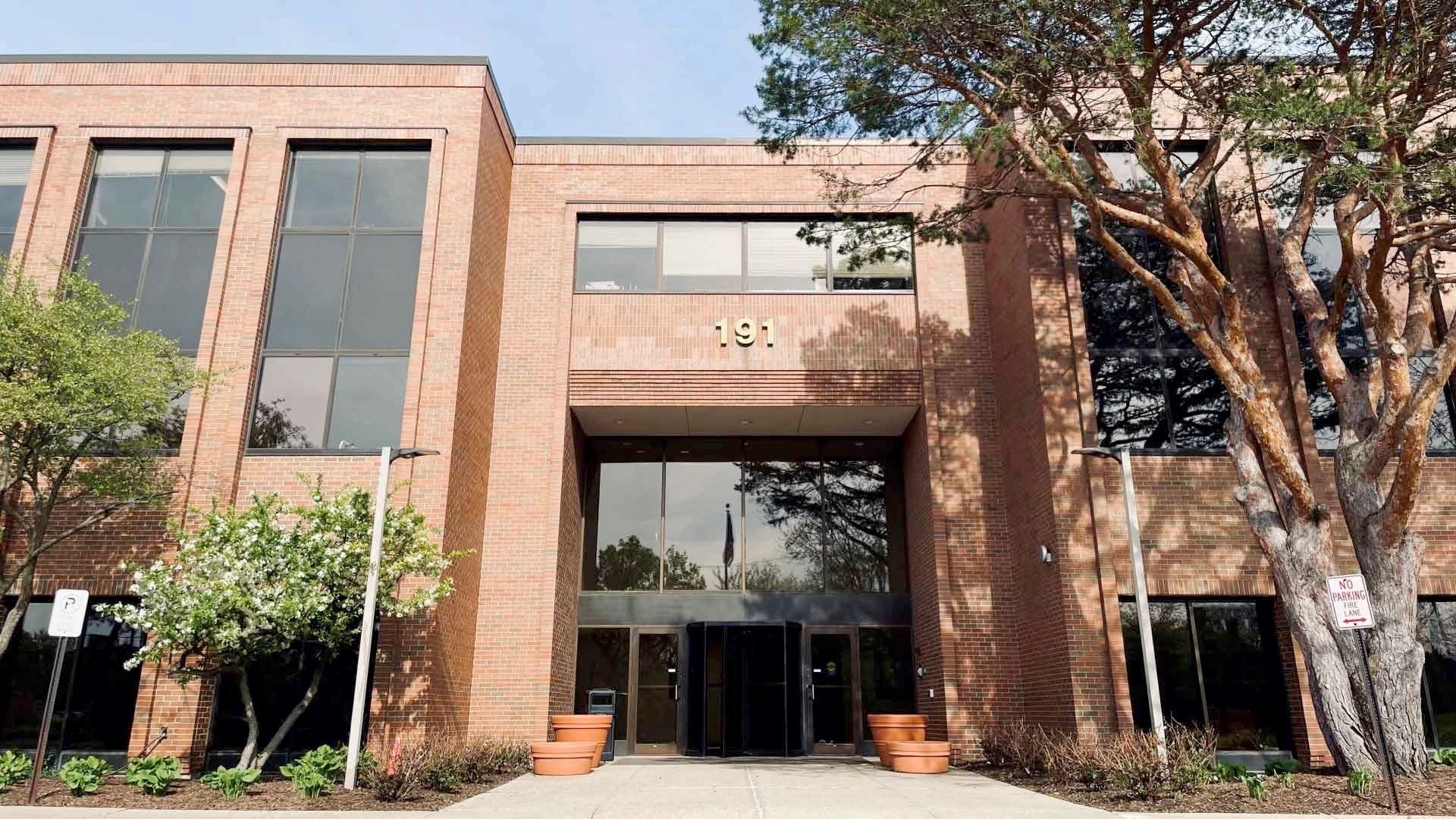
Acupuncture North Clinic is centrally located to serve patients throughout Chicago’s North Shore. Our Northfield office is easily accessible from Northfield, Northbrook, Glenview, Winnetka, Wilmette, Kenilworth, Highland Park, Glencoe, Deerfield, Skokie, Morton Grove, Lincolnshire, Riverwoods, and Niles.
Address
191 Waukegan Rd, Suite 102 Northfield, IL 60093
Getting here
- Just minutes from the I-94 Edens Expressway
- First-floor suite—no stairs or elevator required
- Free parking in front of and behind the building
Herbal Medicine Questions Evanston Patients Often Ask
Are herbal medicines safe?
No. E-stim therapy should never be painful. You’ll feel a distinct pulsing, tapping, or buzzing sensation at the needle sites, and you may see muscles contracting rhythmically. The intensity is always adjusted to your comfort level. Most patients find the sensation interesting rather than unpleasant, and many find it relaxing enough to fall asleep during treatment.
Will herbs interact with my medications?
Some herbs can interact with certain medications, which is why Dr. Su reviews your complete medication list before prescribing. He avoids herbs known to interact with your medications and monitors for any unexpected effects. In most cases, herbal medicine can be used safely alongside pharmaceutical drugs, but this requires knowledgeable prescribing. Always inform Dr. Su of any medications, supplements, or over-the-counter drugs you take.
How long will I need to take herbs?
This depends on your condition. Acute conditions might require only 1-2 weeks of herbal treatment. Chronic conditions typically need 1-3 months or longer for significant improvement. Some patients use herbs long-term for ongoing support, while others complete a course of treatment and discontinue once their condition resolves. Dr. Su will give you a realistic timeline based on your specific situation.
What do the herbs taste like?
Taste varies considerably by formula. Some formulas are relatively mild. Others are quite bitter, sour, or have strong flavors. The taste often reflects the therapeutic properties. Bitter herbs tend to clear heat and reduce inflammation. Sour herbs often address the liver. While the taste takes some adjustment, most patients become accustomed to it within a week or two. If you have significant difficulty, Dr. Su can suggest strategies to make your herbs more tolerable.
Can I take herbal medicine if I'm pregnant or nursing?
Some herbs are safe during pregnancy and nursing, while others should be avoided. If you’re pregnant, planning to become pregnant, or nursing, inform Dr. Su before taking any herbal medicine. He will either prescribe only pregnancy-safe formulas or recommend waiting until after pregnancy and nursing to begin herbal treatment, depending on your condition and circumstances.
How is herbology different from supplements I can buy at the health food store?
Several important differences exist. Health food store supplements typically use single herbs in standardized doses for general purposes. Herbology uses custom formulas combining multiple herbs prescribed specifically for your pattern. The herbs themselves are often different from Western herbal products, drawn from a different pharmacopoeia with different traditional uses. And crucially, herbology involves ongoing assessment and formula adjustment by a trained practitioner rather than self-treatment based on general recommendations.
Book Your Evanston Herbology Visit Today
Whether you mean to boost your acupuncture results, take on a concern needing internal medicine, or seek a measured option beside another round of prescriptions, herbology rewards a look with someone who knows the terrain.
Dr. Kuan Su carries more than 12 years of building herbal formulas for a wide span of conditions. Your first move is a consultation, where he reads your pattern, lays out how herbs might help, and answers whatever you bring.
Call (847) 868-0408 to schedule your consultation, or book online today.
Blogs
Wellness Insights and Updates
Discover All Blogs


Have questions or are you ready to start your wellness journey? Fill out our form, and our friendly team will respond within 1 business day to assist you.
Looking for Assistance?
Visit Us in Northfield
Conveniently located in Suite 102 with first-floor access and private treatment rooms. We're easy to reach from anywhere in the Northern Chicagoland area.