

Visit our location
Service
Infrared Therapy in Prospect Heights
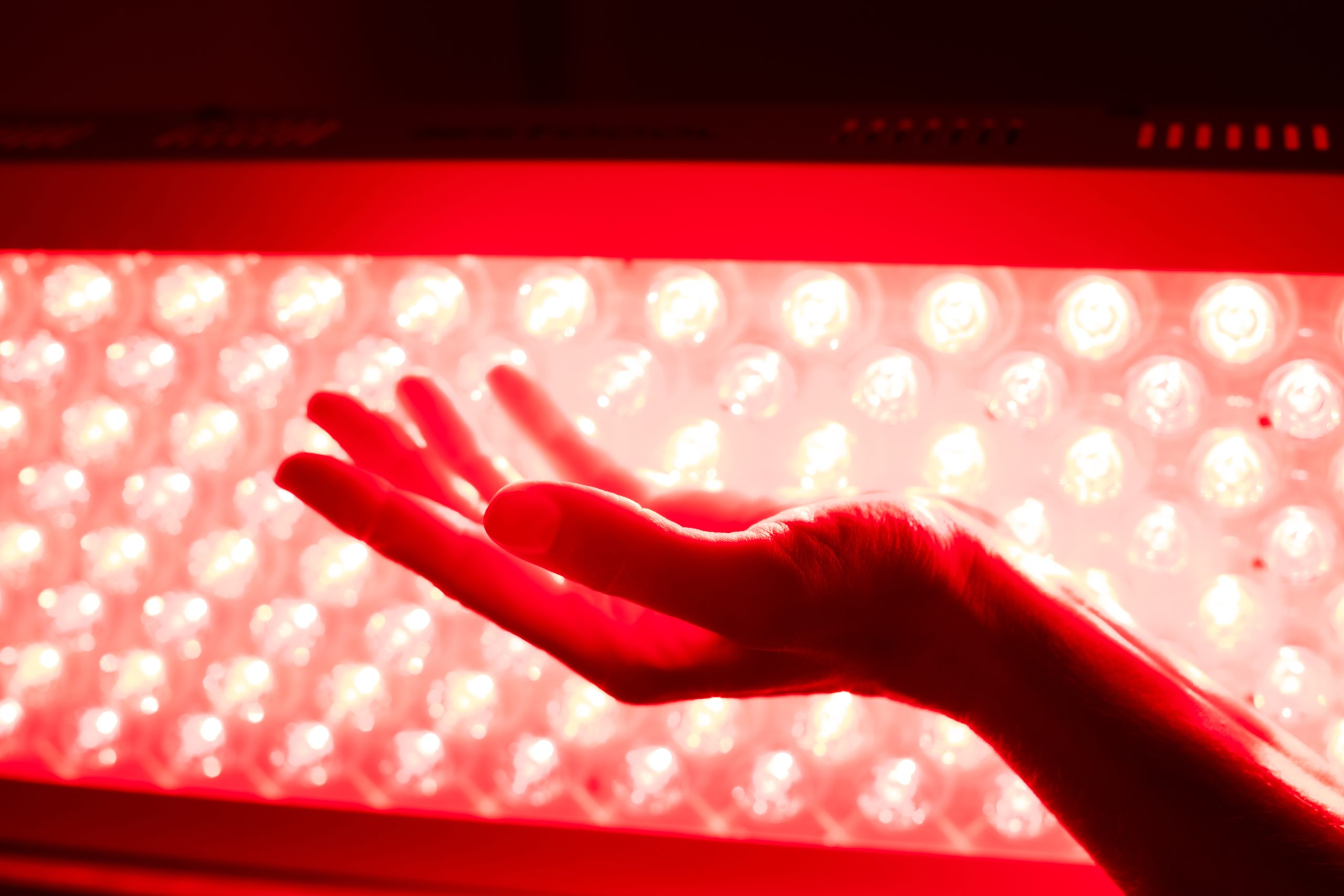
Before modern medicine, people leaned on warmth whenever the body hurt, and infrared therapy sharpens that old habit into a careful clinical tool. Instead of warming only the skin, infrared heat lamps carry healing warmth two to three inches into the body, reaching muscle, joints, and connective tissue a warm compress cannot. The upshot is quicker relief, steadier comfort, and an easier road back.
At Acupuncture North Clinic in Prospect Heights, Dr. Kuan Su turns to infrared heat lamp therapy as a careful way to ease pain, swelling, and mending tissue. He guides the lamp across the affected area so warmth reaches the spot that needs it. With over 12 years of clinical practice, Dr. Su folds infrared into broader plans that meet each condition from several angles.
Interested in infrared therapy? Call (847) 868-0408 to schedule your consultation.
What Infrared Therapy Is
Infrared therapy relies on infrared band light to build therapeutic warmth deep inside the body’s tissue. Everyday heat sources warm the skin and rely on slow conduction to move heat inward, yet infrared light passes straight into the tissue, warming muscle, joints, and deeper structures from within.
Resting just past the red light the eye registers, the infrared band runs from roughly 700 nanometers to 1 millimeter. Clinical lamps draw on the near and far infrared ranges, each settling at its own depth and effect. The lamps in Dr. Su’s rooms emit wavelengths chosen for healing, sending warmth two to three inches beneath the skin.
The real divide between infrared and other heat is depth. A heating pad warms hardly more than skin and the layer beneath. Infrared light travels through the skin to warm muscle, connective tissue, and joints directly. That reach lets Dr. Su treat structures plain heat can never touch.
Medical studies support infrared for muscle and joint complaints, and a research review outlines how its wavelengths lift blood flow and aid repair. The method now holds a firm spot across physical therapy, sports medicine, and integrative clinics.
Within the clinic, infrared care runs through dedicated heat lamps trained on the exact spot that needs them. That tight focus lets Dr. Su steer warmth into one precise region of pain while you settle and rest.
How Infrared Heat Heals
Infrared therapy earns its results through a handful of mechanisms working together. A walk through each shows why it reaches so many conditions.
01.
Deep Tissue Heating
When infrared light contacts your skin, it penetrates into underlying tissues where it is absorbed and converted to heat. This warming occurs within the tissue itself rather than being conducted from the surface inward. The result is more effective heating of muscles, fascia, and joints than surface heat can achieve.
Deep tissue heating increases the temperature of treatment areas by several degrees, enough to produce significant physiological effects without any risk of burns or discomfort. The warmth feels pleasant and soothing while producing therapeutic changes at the cellular level.
02.
Increased Circulation
Heat causes blood vessels to dilate (vasodilation), increasing blood flow to the treated area. Infrared therapy’s deep penetration means this circulatory boost reaches tissues that need it most. Enhanced blood flow delivers oxygen and nutrients essential for healing while removing metabolic waste products and inflammatory substances.
Studies confirm that infrared therapy significantly increases local blood flow. This circulatory enhancement persists after treatment ends, extending therapeutic benefits beyond the session itself.
03.
Reduced Inflammation
Infrared therapy helps resolve inflammation through multiple pathways. Improved circulation removes inflammatory mediators from tissues. The heat itself influences cellular processes that regulate inflammation. Research published in PLOS ONE demonstrates that infrared light reduces inflammatory markers and supports tissue healing.
For conditions involving chronic inflammation, such as arthritis or tendinitis, infrared therapy addresses a fundamental driver of pain and dysfunction.
04.
Pain Relief
Infrared therapy reduces pain through several mechanisms working together. Heat naturally soothes pain by relaxing muscles and reducing nerve sensitivity. Improved circulation removes pain-producing substances from tissues. Reduced inflammation eliminates a major source of pain signals. The combined effect often provides significant relief, particularly for musculoskeletal pain conditions.
A systematic review in Physical Therapy found infrared therapy effective for chronic low back pain, with benefits comparable to exercise therapy.
05.
Muscle Relaxation
Warm muscles relax more readily than cold ones. Infrared therapy’s deep heating reaches muscles that surface heat cannot affect, promoting relaxation of chronically tight tissue. This muscle-relaxing effect makes infrared therapy valuable both as a standalone treatment and as preparation for other therapies like acupuncture or manual work.
06.
Accelerated Tissue Healing
Infrared light stimulates cellular processes involved in tissue repair. Research shows that infrared exposure increases ATP (cellular energy) production, enhances collagen synthesis, and promotes cell proliferation. These effects support faster healing of injured tissues, making infrared therapy valuable for acute injuries and post-surgical recovery.
Studies on wound healing demonstrate that infrared therapy accelerates tissue repair. Similar mechanisms likely contribute to healing of muscle strains, tendon injuries, and other soft tissue damage.
Problems Infrared Therapy Helps Treat in Prospect Heights
This blend of deep warmth, livelier circulation, and quieter inflammation lets infrared therapy help across all four areas Dr. Su treats most often.
Pain Management
Musculoskeletal pain conditions respond particularly well to infrared therapy. The deep tissue heating addresses multiple factors that contribute to pain.
Low Back Pain Infrared therapy effectively treats low back pain by warming deep paraspinal muscles, increasing circulation to compressed discs and joints, and reducing inflammation. The treatment provides immediate comfort while supporting longer-term healing. Research specifically on infrared for low back pain shows significant pain reduction with regular treatment.
Neck and Shoulder Pain Chronic neck and shoulder tension responds well to infrared’s deep heating. The warmth penetrates through superficial muscles to reach the deeper structures often responsible for persistent pain. Many patients notice immediate relaxation and improved range of motion.
Arthritis Infrared therapy provides significant relief for arthritic joints. The deep heat reduces joint stiffness, improves circulation to joint structures, and decreases inflammation. Studies on rheumatoid arthritis patients show reduced pain and improved function with infrared treatment.
Chronic Pain Long-standing pain conditions often involve poor local circulation and chronic inflammation that perpetuate the pain cycle. Infrared therapy addresses both factors, helping break patterns that have kept pain entrenched.
Sciatica When muscle tension in the low back or piriformis contributes to sciatic symptoms, infrared therapy helps relax these muscles while reducing inflammation around irritated nerves.
Migraines and Headaches Tension headaches often respond to infrared treatment of the neck and upper back, where muscle tightness frequently triggers head pain.
Plantar Fasciitis Infrared therapy applied to the foot and calf promotes healing of the inflamed plantar fascia while relaxing tight muscles that contribute to the condition.Sports Injuries Athletes use infrared therapy for both injury treatment and recovery. The technique reduces inflammation, accelerates tissue healing, and helps muscles recover from intense training.
Neuropathy
Infrared therapy provides valuable support for neuropathy treatment by improving circulation to nerve tissues and reducing inflammation that impedes nerve function.
Peripheral Neuropathy Damaged nerves require adequate blood supply to heal and function properly. Infrared therapy enhances circulation to extremities where neuropathy symptoms are often worst. The warmth also provides comfort for painful nerve conditions. While infrared therapy works best as part of a comprehensive neuropathy treatment plan that includes acupuncture and e-stim therapy, many patients find it provides meaningful symptom relief.
Stress Management
The deep, soothing warmth of infrared therapy produces profound relaxation that benefits stress-related conditions.
Stress and Anxiety Heat naturally promotes relaxation, and infrared therapy delivers this calming warmth deep into tense muscles. Many patients find infrared sessions deeply soothing, with stress-reducing effects that extend well beyond the treatment itself.Insomnia The relaxation infrared therapy produces can improve sleep quality, particularly when muscle tension or pain interferes with rest. Treatment in the evening may be especially beneficial for sleep.
Chronic Fatigue By improving circulation and reducing the metabolic burden of chronic muscle tension, infrared therapy can support energy recovery. The treatment also promotes the parasympathetic (rest and recovery) state that allows the body to regenerate.
Cancer Support Infrared therapy provides comfort and relaxation for patients undergoing cancer treatment. The gentle warmth can ease muscle tension and promote well-being without interfering with medical treatments. Always coordinate with your oncology team before beginning any complementary therapy.
Men's Health
Infrared therapy supports men’s health treatment through its circulation-enhancing and relaxation effects.
Men’s Health Conditions While acupuncture directly addresses men’s health conditions, infrared therapy applied to the low back and sacral region can improve pelvic circulation and reduce muscle tension that may contribute to symptoms. The relaxation benefits also help with stress-related components of men’s health issues.
Additional Applications
Beyond the main treatment categories, infrared therapy also benefits:
- Post-surgical recovery (once cleared by your surgeon)
- Wound healing and tissue repair
- Joint stiffness and reduced range of motion
- Muscle spasms and cramps
- General wellness and relaxation
- Pre-treatment preparation for acupuncture or manual therapy
Unsure whether your concern fits these lists? Reach out, and we can talk it through.
What Happens During Infrared Therapy in Prospect Heights
Infrared therapy is gentle and simple. Here is roughly how a session unfolds.
01. Assessment
Dr. Su evaluates your condition and determines how infrared therapy fits into your treatment plan. For some patients, infrared therapy is the primary treatment. More commonly, it’s combined with acupuncture or other techniques in the same session, enhancing overall treatment effectiveness.
He’ll explain where the infrared lamp will be positioned and how long treatment will last based on your specific needs.
02. Positioning
You’ll be positioned comfortably on the treatment table, with the area to be treated exposed. For back treatment, you’ll typically lie face down. For other areas, positioning varies based on what’s being treated. Dr. Su ensures you’re comfortable before beginning.
03. Treatment
The infrared heat lamp is positioned over the treatment area at an appropriate distance. As the lamp warms up, you’ll begin feeling gentle, penetrating heat. The sensation is pleasant, similar to warm sunlight but more focused and therapeutic.
The warmth builds gradually over the first few minutes, then maintains a comfortable therapeutic temperature. If the heat ever feels too intense, simply let Dr. Su know and he’ll adjust the lamp distance. Treatment should always feel comfortably warm, never hot or burning.
During treatment, you simply rest and relax. Many patients find the warmth deeply soothing and use this time to decompress. If infrared therapy is combined with acupuncture, the lamp is typically positioned while needles are in place, allowing both treatments to work simultaneously.
Treatment duration varies based on your condition, typically ranging from 15-30 minutes per area treated.
04. After Your Session
Most patients feel relaxed and comfortable after infrared therapy. The treated area often feels warm and loose, with reduced pain and improved mobility. These effects typically persist for hours or days after treatment.
There’s no special aftercare required. You can return to normal activities immediately. Drinking water after treatment supports your body’s processing of metabolic changes the therapy produces.
For chronic conditions, benefits accumulate with repeated treatment. You may notice that improvement lasts longer after each session as your condition responds to care.
Why Infrared Beats Ordinary Heat Sources
A quick look at how infrared compares with other heat sources tells the story.
Infrared Therapy vs. Heating Pads
Heating pads warm the skin surface through direct contact. Heat then conducts slowly into deeper tissues, but much of the warmth dissipates before reaching muscles and joints. Infrared light penetrates directly into tissue, warming structures 2-3 inches deep without relying on conduction from the surface.
This direct penetration makes infrared therapy more effective for treating deep muscle tension, joint problems, and other conditions that heating pads cannot adequately reach.
Infrared Therapy vs. Warm Baths
Warm baths provide pleasant whole-body warming but cannot focus heat on specific problem areas. The heat is also relatively superficial. Infrared therapy targets specific regions with deep-penetrating warmth, providing more intensive treatment where you need it most.
Infrared Therapy vs. Hot Packs
Like heating pads, hot packs warm through surface contact and conduction. They also cool over time, providing inconsistent heat. Infrared lamps maintain steady therapeutic output throughout treatment and deliver warmth directly to deeper tissues.
Infrared Therapy vs. Ultrasound
Therapeutic ultrasound, used in physical therapy, delivers deep heat through sound wave technology. Both ultrasound and infrared effectively heat deep tissues, though they work through different mechanisms. Infrared therapy covers larger areas and provides the subjective warmth patients find comforting. The two modalities can complement each other when appropriate.
Why Prospect Heights Patients Rely on Our Infrared Therapy Care
Plenty of clinics offer acupuncture. Here is what sets Dr. Su apart.
Integrated treatment approach
Dr. Su uses infrared therapy as part of comprehensive care, combining it with acupuncture, cupping, and other techniques for optimal results. This integration maximizes therapeutic benefit.
Targeted application
Infrared lamps are positioned precisely over affected areas for focused treatment. This targeted approach delivers therapeutic heat exactly where you need it rather than general warming.
12+ years of clinical experience
Dr. Su understands how to incorporate infrared therapy effectively for different conditions and how it interacts with other treatment modalities.
Comfortable treatment environment
Sessions occur in private rooms where you can fully relax and enjoy the therapeutic warmth.
Appropriate recommendations
Dr. Su recommends infrared therapy when it will genuinely benefit your treatment, not as a routine add-on for every patient.
Convenient Northfield location
Our first-floor suite at 191 Waukegan Rd offers easy access with free parking and proximity to the I-94 Edens Expressway.
Supporting Care
Infrared therapy works hand in hand with the treatments Dr. Su provides, and he may add one:
01.
Acupuncture
and infrared therapy complement each other beautifully. Infrared heat relaxes muscles and increases circulation, preparing tissues for acupuncture. When used together in the same session, the combination often produces better results than either treatment alone.
02.
TCM Acupuncture
addresses underlying patterns of imbalance according to traditional Chinese medicine principles. Heat therapy has been part of TCM for millennia, and infrared therapy represents a modern application of these ancient principles.
03.
Orthopedic Acupuncture
targets specific muscles and anatomical structures. Warming these tissues with infrared therapy before needling can enhance treatment effectiveness and patient comfort.
04.
E-Stim Therapy
adds electrical stimulation for enhanced pain relief and nerve effects. Combining e-stim with infrared therapy provides comprehensive treatment for chronic pain and neuropathy.
05.
Cupping Therapy
releases fascial restrictions and increases surface circulation. Infrared therapy complements cupping by warming deeper tissue layers, and the two techniques together address your condition at multiple depths.
06.
Chinese Herbal Medicine
provides internal support that enhances external treatments. For chronic conditions, herbs can accelerate improvement when combined with infrared therapy and acupuncture.
Serving Northfield and the Greater North Shore
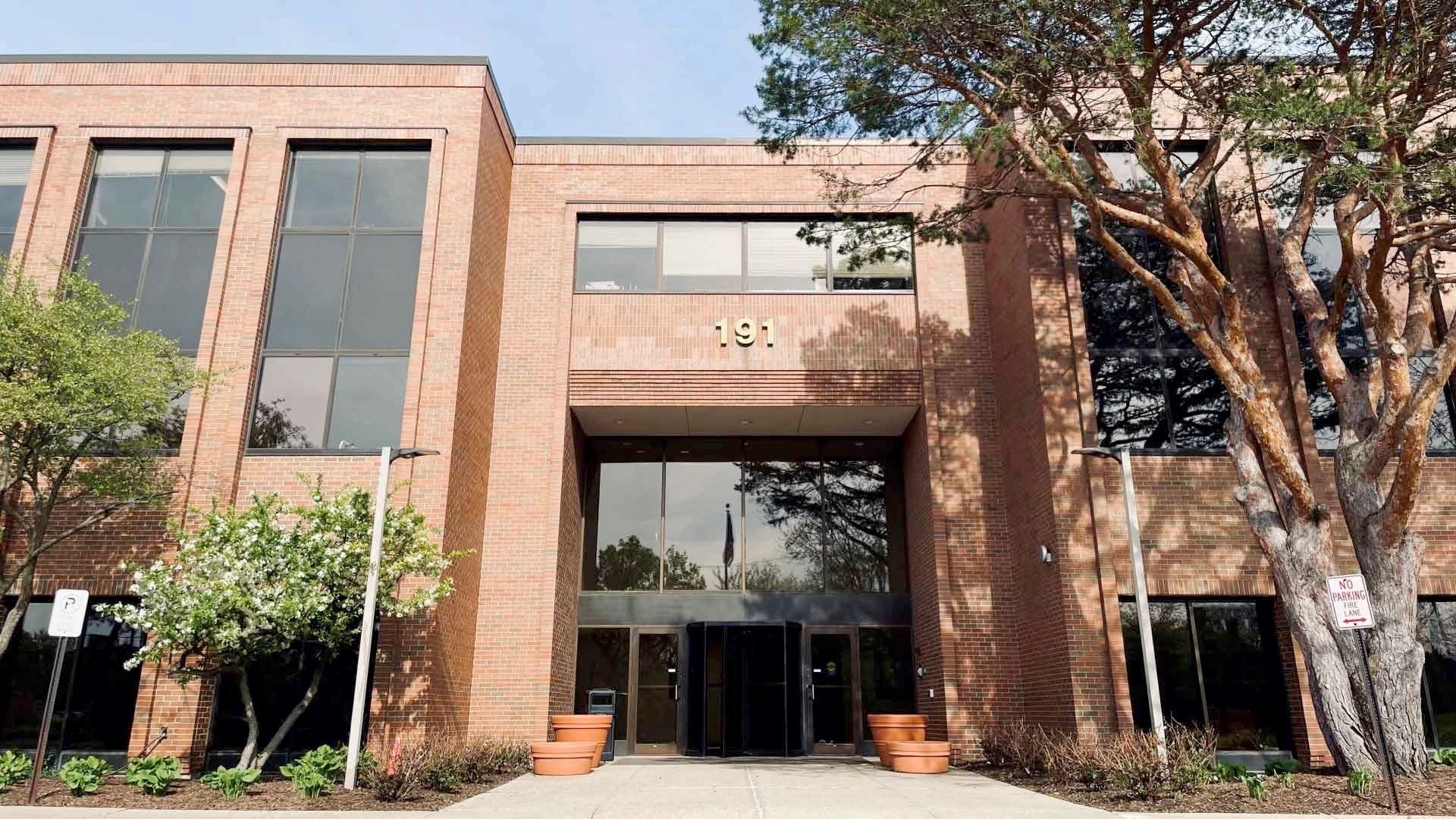
Acupuncture North Clinic is centrally located to serve patients throughout Chicago’s North Shore. Our Northfield office is easily accessible from Northfield, Northbrook, Glenview, Winnetka, Wilmette, Kenilworth, Highland Park, Glencoe, Deerfield, Skokie, Morton Grove, Lincolnshire, Riverwoods, and Niles.
Address
191 Waukegan Rd, Suite 102 Northfield, IL 60093
Getting here
- Just minutes from the I-94 Edens Expressway
- First-floor suite—no stairs or elevator required
- Free parking in front of and behind the building
Frequently Asked Questions About Infrared Therapy
What does infrared therapy feel like?
Infrared therapy feels like gentle, penetrating warmth, similar to warm sunlight but more focused. The heat builds gradually and reaches deep into muscles and tissues. Most patients find the sensation very pleasant and relaxing. Treatment should always feel comfortably warm, never uncomfortably hot. If the heat ever feels too intense, Dr. Su simply adjusts the lamp distance.
Is infrared therapy safe?
Yes, infrared therapy is very safe when properly administered. The wavelengths used in therapeutic infrared devices have been extensively studied and have an excellent safety record. Unlike ultraviolet light, infrared does not cause sunburn or increase skin cancer risk. The main precautions involve avoiding treatment over areas with reduced sensation (where you couldn’t feel if something were too hot) and certain other contraindications Dr. Su screens for before treatment.
How is infrared heat lamp therapy different from an infrared sauna?
Infrared saunas heat your entire body in an enclosed space, similar to a traditional sauna but using infrared technology. Infrared heat lamp therapy, as used at Acupuncture North Clinic, is targeted treatment where the lamp is positioned over specific affected areas. This allows focused, therapeutic heating of problem regions rather than general whole-body warming. The targeted approach is more appropriate for treating specific conditions.
How many infrared therapy sessions will I need?
This depends on your condition. Acute muscle tension or recent injuries may respond within 2-4 sessions. Chronic conditions typically require longer treatment courses, often 6-12 sessions, to achieve lasting improvement. Many patients benefit from periodic maintenance sessions after their primary concern has resolved. Dr. Su will recommend a treatment frequency based on your specific situation.
Can I combine infrared therapy with other treatments?
Yes, and this is often the most effective approach. Infrared therapy combines particularly well with acupuncture, cupping, and other treatments Dr. Su offers. The heat relaxes tissues and enhances circulation, preparing your body for other therapies and amplifying their effects. Many patients receive infrared therapy during their acupuncture sessions.
Will infrared therapy help my arthritis?
Research supports infrared therapy for arthritis relief. The deep heat reduces joint stiffness, improves circulation to joint structures, and decreases inflammation. Many arthritis patients find infrared therapy provides significant comfort, particularly for morning stiffness and weather-related flares. While infrared therapy doesn’t cure arthritis or reverse joint damage, it can meaningfully improve symptoms and quality of life.
Book Your Infrared Therapy Near Prospect Heights
Whether you are chasing relief from chronic pain, helping an injury heal, steadying arthritis, or simply craving deep, restful warmth, infrared therapy offers proven benefit within a calm, easy, restful treatment.
Dr. Kuan Su brings more than 12 years of experience to folding infrared therapy into plans that work. Your first step is a consultation, where he weighs your condition, explains how infrared might help, and answers every question you bring along.
Call (847) 868-0408 to schedule your consultation, or book online today.
Blogs
Wellness Insights and Updates
Discover All Blogs


Have questions or are you ready to start your wellness journey? Fill out our form, and our friendly team will respond within 1 business day to assist you.
Looking for Assistance?
Visit Us in Northfield
Conveniently located in Suite 102 with first-floor access and private treatment rooms. We're easy to reach from anywhere in the Northern Chicagoland area.