

Visit our location
Service
Acupuncture Service in Highland Park, IL — Expert Care at Acupuncture North Clinic
Highland Park residents who type “acupuncture clinic in Highland Park” into a search bar usually have something specific in mind. Maybe a herniated disc that didn’t fully recover after physical therapy. Knees that ache the morning after every Ravinia hike. A migraine pattern that’s resisted three medications. Anxiety that’s leaking into sleep, into work, into the simple ability to relax on a weekend. Or a private health concern that you’d rather discuss with a focused clinician than mention in a five-minute primary care visit.
These are exactly the cases Acupuncture North Clinic was built to handle. Dr. Kuan Su has spent more than twelve years developing protocols specifically aimed at chronic, layered conditions that haven’t yielded to standard care — and his Highland Park patient base has grown steadily through word of mouth from people who finally got somewhere after years of starting over with each new provider.
The clinic is a straightforward drive south for Highland Park residents. Located at 191 Waukegan Rd, Suite 102, Northfield, IL 60093, the office is a quick connection via Waukegan Road or the I-94 Edens Expressway from Highland Park’s central neighborhoods, Ravinia, and the lakefront communities.
Ready to see what acupuncture can do for you? Call (847) 868-0408 to schedule your consultation.
What Is Acupuncture?
Acupuncture is a medical procedure that places extremely thin, single-use sterile needles at defined anatomical points to produce specific physiological responses in the body. While the technique has roots in classical Chinese medicine going back more than two millennia, its place in contemporary healthcare is supported by a robust modern research base — clinical trials, brain imaging studies, and biochemical analyses that document consistent, reproducible biological effects following needle stimulation.
The procedure is more straightforward than its long history suggests. A precisely placed needle generates a controlled signal that travels along sensory nerve pathways, recruits brain and spinal cord responses, alters local circulation, modulates inflammatory chemistry, and prompts the release of the body’s own analgesic compounds. Each piece of that response can be measured in a laboratory or clinical setting.
Where acupuncture earns its place in Highland Park residents’ care is the type of problem it solves. The patient with persistent fatigue and normal labs. The chronic shoulder issue that imaging didn’t fully explain. The condition labeled “manageable” but never actually resolved. The post-viral or post-procedural syndrome with no clear treatment pathway. These are cases where the conventional system often runs out of tools, and where acupuncture frequently produces measurable progress.
How Acupuncture Works
Modern research has identified several discrete mechanisms behind acupuncture’s therapeutic effects. Each operates through its own pathway, which is why one therapy can simultaneously address pain, sleep, mood, and inflammation.
01.
Nervous System Regulation
The nervous system is the central player in how acupuncture produces results. Needle stimulation activates sensory nerve fibers that relay signals to the spinal cord and brain, where they alter how pain is perceived and processed. Mechanisms of acupuncture analgesia include local physiological response at the needling site, suppression of nociceptive signaling at spinal and supraspinal levels, and peripheral/central release of endogenous opioids and other biochemical mediators, with additional effects on brain networks involved in sensory, emotional, and cognitive processing.
The same treatment also shifts autonomic balance away from the chronic sympathetic activation that characterizes prolonged stress and toward the parasympathetic state — slower heart rate, deeper respiration, calmer digestion, more stable mood. For patients dealing with stress-influenced physical symptoms, this physiological reset is often the catalyst for improvement.
02.
Improved Circulation
Tissue surrounding each needle responds with increased capillary perfusion. The biological consequence is concrete: more oxygen delivered, more nutrients arriving where they’re needed, more efficient clearance of inflammatory byproducts and metabolic waste. For chronic injuries that have stagnated, neuropathic limbs with reduced microvascular flow, post-surgical sites still finishing repair, and ischemic conditions, this circulatory boost addresses one of healing’s foundational requirements.
03.
Natural Pain Relief
Treatment activates the body’s endogenous opioid system — endorphins, enkephalins, dynorphins — alongside increases in serotonin and norepinephrine. The cumulative effect is reduced pain perception without dependency potential, gastrointestinal side effects, or organ stress. The relief tends to compound across sessions as the nervous system gradually recalibrates its baseline sensitivity.
04.
Anti-Inflammatory Effects
Persistent low-level inflammation underlies a remarkable range of modern chronic illness — joint degeneration, autoimmune conditions, gut dysfunction, cardiovascular disease, and even cognitive decline. Acupuncture has been shown to reduce inflammatory cytokines and modulate immune signaling. This systemic anti-inflammatory action is part of why a single therapy can produce benefits across such varied conditions.
Conditions We Treat with Acupuncture in Highland Park
Dr. Su’s clinical practice is built around four condition categories where acupuncture produces consistent, measurable outcomes. Each category encompasses a wide range of specific presentations.
Neuropathy
Neuropathy burning, numbness, tingling, weakness, and shooting pain affecting the extremities, including diabetic neuropathy, chemotherapy-induced peripheral neuropathy, idiopathic cases, and post-surgical nerve damage.
Pain Management
Pain Management low back pain, neck and shoulder dysfunction, sciatica, plantar fasciitis, arthritic joint pain, sports injuries, and chronic migraine patterns. Visit the pain management page.
Stress Management
Stress Management chronic anxiety, insomnia, persistent fatigue, tension-type headaches, and the digestive symptoms that frequently accompany prolonged stress states.
Men's Health
Men’s Health erectile dysfunction, post-urinary dribbling, strangury, prostate-related discomfort, testicular pain, and male fertility concerns.
Dr. Su’s practice focuses on four main areas where acupuncture delivers particularly strong results. Within each category, he treats patients dealing with a range of specific conditions.
Our Acupuncture Techniques
Acupuncture is best understood as a family of related techniques rather than a single procedure. Dr. Su selects from several methods — and combines them when warranted — based on what each individual case calls for.
TCM Acupuncture
Traditional Chinese Medicine acupuncture rests on a complete diagnostic framework that examines pattern relationships across multiple body systems. Rather than isolating a single complaint, the TCM approach considers sleep architecture, digestion, energy levels, emotional state, pain history, and physical signs as an interconnected picture. This method is especially valuable for layered presentations where a single Western diagnosis hasn’t fully captured what’s happening in the body.
Auricular Acupuncture
The external ear contains a dense neural map representing organs and structures throughout the body. Stimulating points on the ear produces effects systemically — it has well-documented uses for stress, anxiety, addiction recovery, sleep regulation, and pain management. The technique pairs effectively with body acupuncture and can be extended between visits using ear seeds, small adhesive points that sustain gentle stimulation.
Orthopedic Acupuncture
For musculoskeletal problems — torn-up shoulders, cranky knees, chronic low back issues, post-surgical stiffness — orthopedic acupuncture pairs Western anatomy with needle technique. Dr. Su targets the specific muscles, tendons, ligaments, fascial layers, and trigger points driving your pain. According to Harvard Health Publishing, acupuncture is a worthwhile option for chronic musculoskeletal pain, and orthopedic-style precision often delivers the strongest results for these cases.
E-Stim (Electroacupuncture)
Electroacupuncture introduces a mild, controlled electrical current through inserted needles, intensifying the neurological reach of treatment. The technique is particularly effective for neuropathy, stubborn pain syndromes, recovery from nerve injury, and conditions involving muscle weakness. Patients describe the sensation as a soft, rhythmic pulsing — generally found more relaxing than uncomfortable.
What to Expect During Your First Acupuncture Visit
Walking into a new clinic always carries some uncertainty. Knowing the structure of an appointment in advance removes most of it.
01. Initial Consultation
Your first visit begins with a substantive conversation. Dr. Su will ask detailed questions about your primary complaint — when symptoms started, what worsens or relieves them, what previous treatments accomplished, and how the issue has affected your daily routine. He’ll also ask about adjacent factors that often turn out to matter: sleep quality, digestive function, current medications, recent life changes, and family medical history relevant to your case.
This isn’t a paperwork-driven intake. The depth of the conversation directly determines the precision of the treatment plan. Plan for this segment to take 15 to 20 minutes.
02. Your Treatment Session
After the consultation, you’ll move to a private treatment room and settle into a comfortable position appropriate for the points being used. Dr. Su places thin, sterile, single-use needles at the chosen sites with practiced precision.
The needles themselves are remarkable. Hair-thin and far smaller than anything used for medical injections, they typically produce only a brief sensation at insertion — a quick tap, a passing tingle, sometimes nothing perceptible. Once placed, they remain for approximately 20 to 30 minutes while you rest. Most patients find this stretch deeply restorative, and falling asleep mid-session is common.
A first appointment, including consultation and treatment, typically runs 75 to 90 minutes. Subsequent sessions are usually 45 to 60 minutes.
03. After Your Session
Post-treatment responses vary, and all common ones are positive signs. Some patients leave feeling lightly energized and clear-headed. Others feel pleasantly tired and benefit from a quiet evening. A few notice immediate symptom shifts; more commonly, change unfolds gradually over the next 24 to 72 hours.
For chronic conditions, meaningful improvement builds across a series of sessions rather than from a single visit. Dr. Su will give you a realistic outlook during your initial consultation based on the typical clinical course for your specific condition.
Why Choose Acupuncture North Clinic in Highland Park?
There’s no shortage of providers offering acupuncture in the North Shore area. Here’s what actually distinguishes Dr. Su’s practice.
Specialization in complex cases
This isn’t a wellness studio offering brief relaxation sessions. Dr. Su’s caseload weighs heavily toward chronic neuropathy, persistent pain conditions, men’s health concerns, and stress-driven physical illness — presentations that demand careful diagnostic thinking and refined clinical protocols.
12+ years of clinical experience
Twelve-plus years of treating patients across the North Shore has produced something hard to fake: the practical pattern recognition that comes only from clinical volume. Dr. Su has likely seen presentations very similar to yours and knows which approaches actually move the needle.
Results-driven approach
The goal is measurable improvement, not perpetual treatment. Progress is tracked visit by visit. When something isn’t working, the plan changes. When you’ve reached your treatment goals, that’s the win.
Personalized treatment plans
No two patients receive identical care. Point selection, technique blend, session frequency, and supporting modalities are all calibrated to your case, your history, and your response.
Private treatment rooms
Every treatment happens in a fully enclosed room — no curtain dividers, no shared spaces. This matters more than most patients expect, especially during longer sessions and during care for sensitive conditions.
Convenient Northfield location
Our suite sits at 191 Waukegan Rd, Suite 102, Northfield, IL 60093 — minutes from most Northbrook neighborhoods, ground floor with no stairs or elevator, with free parking in both the front and rear lots. Easy access via Waukegan Road or the I-94 Edens Expressway.
Complementary Services
Acupuncture often produces its strongest results when integrated with supporting therapies. Based on the specifics of your case, Dr. Su may incorporate any of the following.
01.
Cupping Therapy
Suction cups create negative pressure on the skin, lifting fascia, increasing localized circulation, and releasing deeply embedded muscular tension. Particularly effective for chronic back and shoulder issues, postural strain, and respiratory conditions.
02.
Infrared Heat Lamp Therapy
Far-infrared heat penetrates beyond the skin, easing stiffness, accelerating circulation, and amplifying the anti-inflammatory effects of needle work. Patients managing arthritis or longstanding pain often find this addition meaningfully enhances their treatment response.
03.
Chinese Herbal Medicine
Where appropriate, Dr. Su prescribes customized herbal formulas to support what acupuncture is doing externally. Herbs can target inflammation, regulate sleep, support digestive recovery, balance hormonal patterns, and reinforce nervous system stability between visits.
04.
Activities of Daily Living Support
For patients whose conditions interfere with everyday function, Dr. Su offers practical guidance — movement adjustments, postural corrections, ergonomic recommendations, and pacing strategies — that protect your treatment progress between appointments.
These services are always optional and recommended only when they would meaningfully improve your outcome.
Serving Northfield and the Greater North Shore
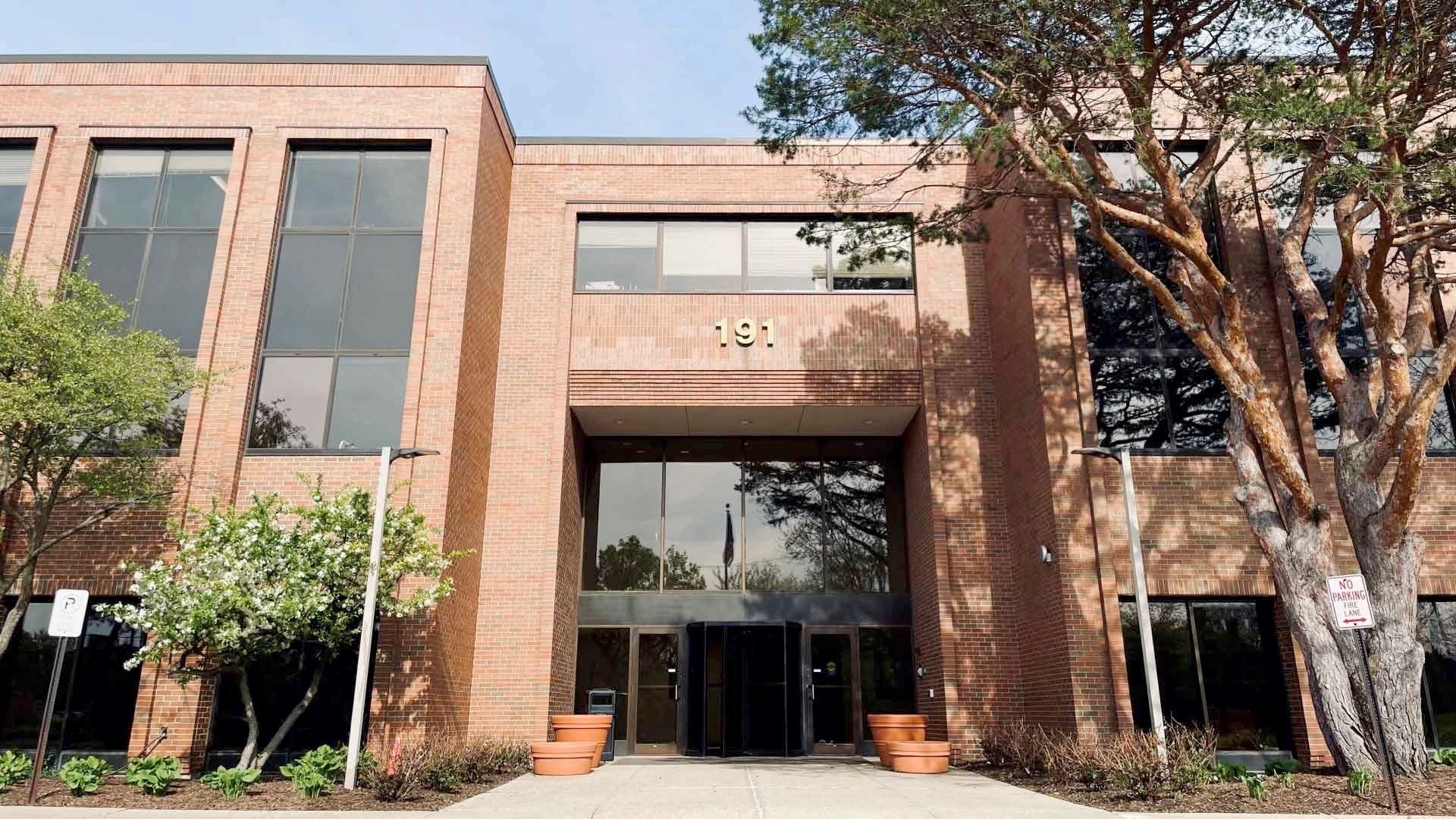
Acupuncture North Clinic is centrally located to serve patients throughout Chicago’s North Shore. Our Northfield office is easily accessible from Northfield, Northbrook, Glenview, Winnetka, Wilmette, Kenilworth, Highland Park, Glencoe, Deerfield, Skokie, Morton Grove, Lincolnshire, Riverwoods, and Niles.
Address
191 Waukegan Rd, Suite 102 Northfield, IL 60093
Getting here
- Just minutes from the I-94 Edens Expressway
- First-floor suite—no stairs or elevator required
- Free parking in front of and behind the building
Frequently Asked Questions About Acupuncture in Highland Park
Does acupuncture hurt?
Most patients are surprised by how comfortable acupuncture is. The needles used are extremely thin—much finer than hypodermic needles used for injections. You may feel a brief sensation upon insertion (a slight pinch, pressure, or tingling), but once needles are in place, most people feel deeply relaxed. Many patients actually fall asleep during treatment.
How many acupuncture sessions will I need?
This depends on your condition. Acute problems (recent injuries, sudden onset symptoms) often respond within 4-6 sessions. Chronic conditions that have persisted for months or years typically require a longer course of treatment—often 8-12 sessions before significant improvement, followed by maintenance visits. Dr. Su will give you a realistic treatment estimate during your initial consultation.
Is acupuncture covered by insurance in Illinois?
Many insurance plans now cover acupuncture, though specifics vary by policy. Some plans cover acupuncture for any condition; others limit coverage to certain diagnoses like chronic pain. Contact your insurance provider to verify your benefits, or call our office at (847) 868-0408—we’re happy to help you understand your options.
What should I wear to my acupuncture appointment?
Wear loose, comfortable clothing that can be rolled up above your elbows and knees. This allows access to commonly used acupuncture points without requiring you to change. If your condition requires access to your back or torso, gowns are available.
Can acupuncture help with conditions my doctor couldn't diagnose?
Often, yes. Acupuncture excels with conditions that don’t fit neatly into conventional diagnostic categories—the patient whose symptoms are real but whose tests come back normal, or whose issues involve multiple body systems that conventional medicine treats separately. Dr. Su specializes in these complex, “idiopathic” cases and has helped many patients who felt dismissed or stuck within the conventional system.
How is acupuncture different from dry needling?
Both involve inserting thin needles, but the approaches differ significantly. Dry needling, typically performed by physical therapists, targets myofascial trigger points to release muscle tension. Acupuncture, practiced by licensed acupuncturists with extensive training, uses a comprehensive diagnostic framework to select points that address your condition systemically—not just locally. Acupuncture training requires significantly more education hours and encompasses a broader range of conditions.
Schedule Your Acupuncture Appointment in Highland Park
Whether the issue is chronic pain that’s worn down your patience, neuropathy that’s narrowed your daily life, persistent stress producing physical symptoms, or a private men’s health concern you’ve been putting off, acupuncture is worth examining seriously. Dr. Kuan Su has spent more than twelve years helping North Shore patients turn around conditions that didn’t respond to anything else.
Your first step is a consultation. Dr. Su will hear what’s happening, answer your questions plainly, and give you an honest assessment of whether acupuncture is likely to help your specific case. There’s no obligation and no pressure — just a clinical conversation about your health.
Call (847) 868-0408 to schedule your consultation, or book online today.
Blogs
Wellness Insights and Updates
Discover All Blogs


Have questions or are you ready to start your wellness journey? Fill out our form, and our friendly team will respond within 1 business day to assist you.
Looking for Assistance?
Visit Us in Northfield
Conveniently located in Suite 102 with first-floor access and private treatment rooms. We're easy to reach from anywhere in the Northern Chicagoland area.