

Visit our location
Condition we treat
Anxiety Treatment Prospect Heights, IL — Relief at Acupuncture North Clinic
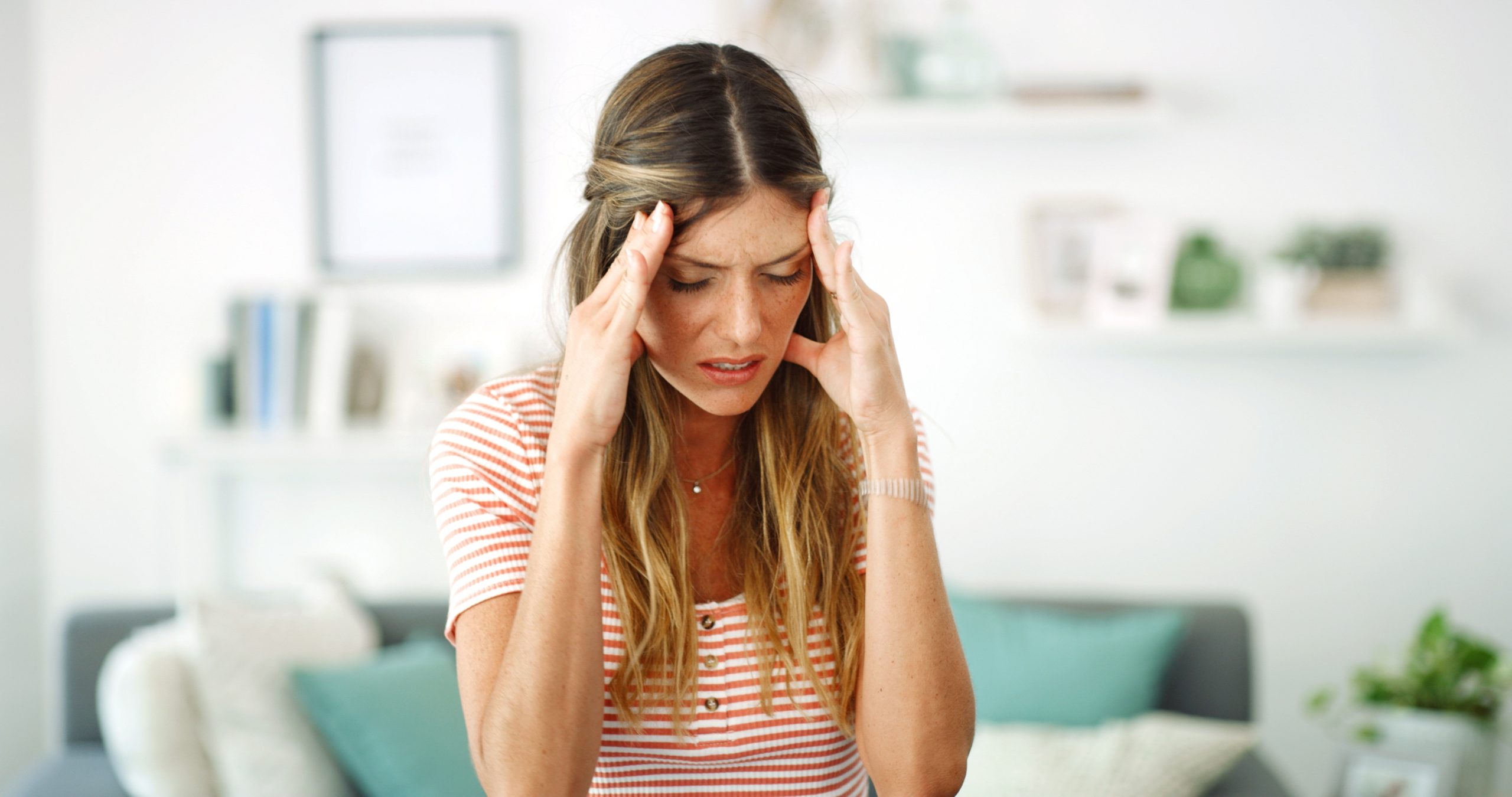
Your pulse won’t settle, even when nothing around you has actually changed. A single worry loops through your head long after it should have faded. Falling asleep takes an hour because your thoughts refuse to slow down. Anxiety pulls your nervous system into constant alert, holding you there even when there’s no genuine danger nearby. It wears you down, quietly taking the calm you’re entitled to feel each day.
At Acupuncture North Clinic, our licensed acupuncturist treats residents of Prospect Heights and the wider North Shore. Our approach mirrors the framework detailed in our full anxiety care guide, refined over more than a decade of hands on practice. It also draws on findings the National Institute of Mental Health has published on how anxiety disorders actually work.
Ready to find relief from anxiety? Call (847) 868-0408 to schedule your consultation.
Understanding Anxiety
Anxiety begins as your body’s built in alarm, meant to sharpen focus when something threatens you. In small doses, it keeps you alert and prepared. Once that alarm starts firing without a real trigger, though, it stops protecting you and starts wearing you down instead.
An anxiety condition involves far more than an occasional bad day. It brings persistent dread or unease that follows you through ordinary tasks. Both your mind and body carry the weight, from spiraling thoughts to a tight chest or an upset stomach. Many people never connect that stomach trouble, tense shoulders, or a racing pulse back to anxiety at all.
Anxiety disorders rank among the most common mental health conditions nationwide, yet treatment reaches only a portion of the people living with them. Most who do seek care find real, measurable improvement is possible.
Anxiety frequently travels alongside low mood, disrupted sleep, and stubborn muscle tension, since these systems all run through the same stressed nervous system. Treating one piece in isolation rarely solves the whole picture. Addressing anxiety at its root tends to lift several of these related struggles at once.
Types of Anxiety We Treat
01. Generalized Anxiety Disorder
This pattern shows up as ongoing, hard to control worry about a wide range of everyday matters, from finances to family to work deadlines. The worry lingers on most days for six months or longer. Alongside the mental load, people often notice restlessness, fatigue, trouble focusing, irritability, tight muscles, and disrupted sleep.
02. Social Anxiety
A sharp fear of being watched, judged, or embarrassed in front of others defines this pattern. It goes past ordinary shyness, pushing people to skip gatherings, presentations, or conversations that matter to them. Blushing, a racing heart, shaky hands, or nausea often surface the moment a feared situation begins.
03.Panic Disorder
Sudden, unexpected waves of intense fear mark this pattern, often paired with a pounding heart, sweating, trembling, shortness of breath, chest tightness, or a sense that something terrible is about to happen. Worry about the next episode can start shaping someone’s daily choices long before another one arrives.
04.Health Anxiety
Persistent fear of having or developing a serious illness sits at the center of this pattern, even after a doctor has offered reassurance. Ordinary physical sensations get read as warning signs. Frequent symptom checking, repeated appointments, or avoiding medical news altogether often follow.
05. Performance Anxiety
Intense anxiety related to specific performance situations like public speaking, tests, athletic competition, or musical performance. The anxiety often impairs the very performance you’re worried about.
06. Stress-Related Anxiety
Anxiety triggered by life circumstances including work pressure, relationship difficulties, financial concerns, or major life changes. While situational, this anxiety can become chronic if underlying stress isn’t addressed.
07. Sleep-Related Anxiety
Racing thoughts and worry that prevent falling asleep or cause middle-of-the-night awakening. The anxiety about not sleeping creates a self-perpetuating cycle. For detailed information, see our insomnia treatment page.
How Acupuncture Treats Anxiety
Acupuncture calms anxiety through several distinct pathways that work together to steady an overactive nervous system.
01.
Activating the Parasympathetic Nervous System
Anxiety switches on the sympathetic nervous system, your body’s built in alarm that readies you to fight or flee. Acupuncture engages the opposite branch, the parasympathetic system responsible for rest and recovery. According to Mayo Clinic’s overview of acupuncture, treatment is associated with measurable relaxation responses that support this shift.
02.
Regulating Stress Hormones
Ongoing anxiety often involves a hypothalamic pituitary adrenal axis that stays switched on too long, keeping cortisol elevated. The National Center for Complementary and Integrative Health notes that acupuncture may influence this stress response system. Bringing that axis back toward balance addresses anxiety at a physiological level rather than covering it up.
03.
Modulating Neurotransmitters
Anxiety is tied to shifts in neurotransmitters such as GABA, serotonin, and norepinephrine, the same chemical messengers targeted by many prescription anti anxiety medications. Acupuncture appears to influence these pathways as well, nudging brain chemistry back toward a calmer baseline.
04.
Releasing Natural Calming Substances
Needling stimulates the release of endorphins and related compounds the body produces on its own to ease tension and lift mood. Cleveland Clinic’s overview of anxiety disorders points out that the physical and emotional symptoms of anxiety are deeply connected, which is exactly why a treatment working on both fronts at once tends to help.
05.
Reducing Inflammation
Researchers increasingly link chronic anxiety with elevated inflammatory markers circulating in the body, and inflammation itself can alter brain function in ways that feed anxious thinking. Acupuncture triggers anti inflammatory responses that may ease this piece of the puzzle.
06.
Improving Sleep
Poor sleep and anxiety fuel each other in a destructive cycle. Acupuncture helps regulate sleep-wake cycles and promotes more restorative sleep. As sleep improves, anxiety often decreases significantly.
07.
Releasing Physical Tension
Anxiety manifests physically as muscle tension, particularly in the neck, shoulders, jaw, and back. This chronic tension perpetuates the anxiety cycle by sending “threat” signals to the brain. Acupuncture effectively releases this tension, breaking the physical component of anxiety.
08.
Calming the Mind
Many patients report that acupuncture produces a unique quality of mental calm, different from sedation. Racing thoughts slow. The mental noise quiets. This effect often begins during treatment and can persist for days afterward.
Research on Acupuncture for Anxiety
Clinical research increasingly supports acupuncture as an anxiety treatment.
Mayo Clinic’s overview of generalized anxiety disorder confirms that psychotherapy, medication, lifestyle change, and relaxation based techniques all play a meaningful role in recovery, and acupuncture fits naturally alongside these relaxation focused strategies.
The American Academy of Family Physicians has reviewed acupuncture’s role in pain and stress related conditions and found consistent support for its use as a complementary option within broader care plans.
Taken together, this body of evidence positions acupuncture as a credible option for anxiety, whether used on its own or layered alongside therapy and medication.
What to Expect During Anxiety Treatment
Anxiety care at Acupuncture North Clinic happens inside a quiet, private space built for genuine rest.
01. Initial Assessment
Your first visit centers on a full conversation about your anxiety symptoms. We’ll talk through what sets your anxiety off, how it shows up in your body and mind, how long you’ve been carrying it, and how it’s shaping your daily routine. We’ll also cover sleep habits, ongoing stress, other health conditions, and anything else you’re currently doing for treatment.
That conversation happens in a private room where you’re free to speak candidly. Plenty of patients feel some anxiety about discussing their anxiety, and we approach that conversation gently.
Recognizing your specific pattern shapes the treatment strategy going forward, since different presentations call for different point selection. We also look at contributing factors like caffeine habits, sleep routine, and general lifestyle that may be intensifying your symptoms.
02. Treatment Sessions
Treatment draws on points chosen to settle the nervous system and match your particular symptom pattern. Sessions frequently combine body points with ear points, since auricular work carries strong support for anxiety relief.
Each visit runs roughly 45 to 60 minutes inside a quiet, calm space. Most patients slip into deep relaxation during treatment, occasionally drifting off despite minds that are normally racing. That relaxed state is itself part of the therapeutic value, proof that your nervous system can find calm.
Many people feel noticeably calmer right after their session, an effect that can last several days and tends to build with continued visits.
03. Treatment Frequency
Anxiety care generally calls for steady visits early on. A typical plan looks like:
- One to two visits weekly for the first six to eight weeks
- A checkpoint to review progress and adjust the plan
- Tapering frequency once symptoms settle
- Occasional maintenance visits as helpful
Some people with milder anxiety respond quickly. Those carrying long standing or more severe anxiety typically need a longer runway. We’ll set realistic expectations based on what you’re actually experiencing.
04. Skills for Managing Anxiety
Outside of treatment itself, we often share breathing techniques, small lifestyle adjustments, and other practical tools that reinforce your progress between visits. What you practice at home genuinely shapes your results.
Complementary Therapies for Anxiety
Depending on what you’re experiencing, we may suggest pairing treatments.
01.
Herbology
provides internal medicine that has been used for centuries to calm the nervous system and reduce anxiety. Herbal formulas can address the root patterns underlying anxiety while providing gentle, sustained support without the side effects of pharmaceutical anxiolytics.
02.
Auricular Acupuncture
targets specific points on the ear with strong connections to the nervous system. Research particularly supports auricular acupuncture for anxiety, and it can be combined with body acupuncture for enhanced effects.
03.
TCM Acupuncture
addresses underlying patterns of imbalance that may be generating anxiety. Traditional diagnosis often reveals root causes that Western medicine doesn’t typically consider.
04.
Infrared Heat Lamp Therapy
provides soothing warmth that promotes relaxation. Many anxious patients find the gentle heat comforting and calming.
05.
Depression Treatment
addresses the mood symptoms that frequently accompany anxiety. About half of people with anxiety also experience depression, and treating both conditions improves overall outcomes.
06.
Insomnia Treatment
targets sleep problems that perpetuate anxiety. Improving sleep often produces significant anxiety reduction.
Acupuncture vs. Anti-Anxiety Medications
Patients frequently ask how acupuncture stacks up against pharmaceutical options for anxiety.
Benzodiazepines
(like Xanax, Ativan, Klonopin) work quickly but carry risks of dependence, cognitive impairment, and withdrawal difficulties. They’re generally recommended only for short-term use.
Buspirone
is a non-addictive option but takes weeks to work and isn’t effective for everyone.
SSRIs and SNRIs
(like Lexapro, Zoloft, Effexor) are commonly prescribed for chronic anxiety. They take several weeks to work and can cause side effects including weight gain, sexual dysfunction, and emotional blunting. Finding the right medication often requires trial and error.
Acupuncture
affects the nervous system through different mechanisms, addressing stress hormones, neurotransmitters, and autonomic function. It produces no dependence, has minimal side effects, and often provides immediate relaxation. Research suggests effectiveness comparable to some medications for certain patients.
Many people use acupuncture and medications together. The combination may work better than either alone. Others use acupuncture as an alternative when they can’t tolerate medications, want to avoid dependence risks, or prefer non-pharmaceutical approaches.
Acupuncture Compared to Medication
People frequently ask how acupuncture stacks up against medication.
Calming treatment environment
Our clinic provides a peaceful space where anxious patients can feel safe and begin to relax. Private treatment rooms ensure confidentiality and comfort.
Understanding of anxiety's complexity
Dr. Su recognizes that anxiety involves real physiological changes, not weakness or character flaws. Treatment addresses the biological factors driving your symptoms.
Non-addictive approach
Unlike benzodiazepines, acupuncture carries no risk of dependence. You can receive treatment as long as beneficial without concerns about addiction.
Complementary to other treatments
Acupuncture works alongside therapy, medication, and other anxiety treatments you may be receiving.
12+ years of clinical experience
Dr. Su’s extensive practice includes treating many patients with anxiety, providing practical knowledge of what works.
Comprehensive care
Treatment addresses not just anxiety but related issues including sleep, physical tension, and accompanying mood symptoms.
Convenient Northfield location
Our first-floor suite at 191 Waukegan Rd offers easy access with free parking.
Frequently Asked Questions About Anxiety Treatment
How effective is acupuncture for anxiety?
Research supports acupuncture as an effective treatment for anxiety, with studies showing significant symptom reduction compared to control conditions. Some research suggests effectiveness comparable to established treatments like cognitive behavioral therapy. Individual responses vary, but many patients experience meaningful improvement in both mental and physical anxiety symptoms.
Will I feel relaxed during treatment, or will the needles make me more anxious?
Most patients, even those initially nervous about needles, find acupuncture deeply relaxing. The needles used are extremely thin, and insertion is typically painless or causes only minimal sensation. The relaxation response often begins within minutes of needle placement. Many anxious patients are surprised to find themselves falling asleep during treatment.
How quickly will I notice improvement in my anxiety?
Many patients notice immediate relaxation during and after their first treatment. This effect often lasts several days. Sustained anxiety reduction typically develops over several weeks of consistent treatment. Some patients improve quickly while others with long-standing anxiety require longer treatment courses.
Can I continue my anxiety medication while receiving acupuncture?
Yes. Acupuncture works safely alongside anti-anxiety medications including SSRIs, SNRIs, benzodiazepines, and buspirone. Many patients find the combination more effective than either approach alone. If you eventually want to reduce medication, this should be done gradually under your prescribing physician’s guidance.
Is acupuncture a replacement for therapy?
Acupuncture addresses the physiological components of anxiety while therapy addresses thought patterns and behavioral responses. Both approaches have value, and they complement each other well. For some patients with mild anxiety, acupuncture alone may be sufficient. For others, particularly those with trauma histories or deeply ingrained anxiety patterns, therapy alongside acupuncture often produces the best results.
Related Conditions
Anxiety often shows up alongside these related conditions we also treat:
- Stress Management Prospect Heights
- Insomnia Treatment Prospect Heights
- Chronic Pain Treatment Prospect Heights
- Migraine Treatment Prospect Heights
- Fatigue Treatment Prospect Heights
- Low Back Pain Treatment Prospect Heights
- Neck and Shoulder Pain Treatment Prospect Heights
Book Your Anxiety Visit in Glenview
Anxiety doesn’t have to keep running the show. With the right care, your nervous system can genuinely learn to settle again.
Our team has helped many patients from Prospect Heights and across the North Shore find real relief. Your first visit includes a thorough evaluation, an honest conversation about what treatment can realistically offer, and a clear plan for what comes next.
Call (847) 868-0408 to schedule your consultation, or book online today.
Blogs
Wellness Insights and Updates
Discover All Blogs


Have questions or are you ready to start your wellness journey? Fill out our form, and our friendly team will respond within 1 business day to assist you.
Looking for Assistance?
Visit Us in Northfield
Conveniently located in Suite 102 with first-floor access and private treatment rooms. We're easy to reach from anywhere in the Northern Chicagoland area.